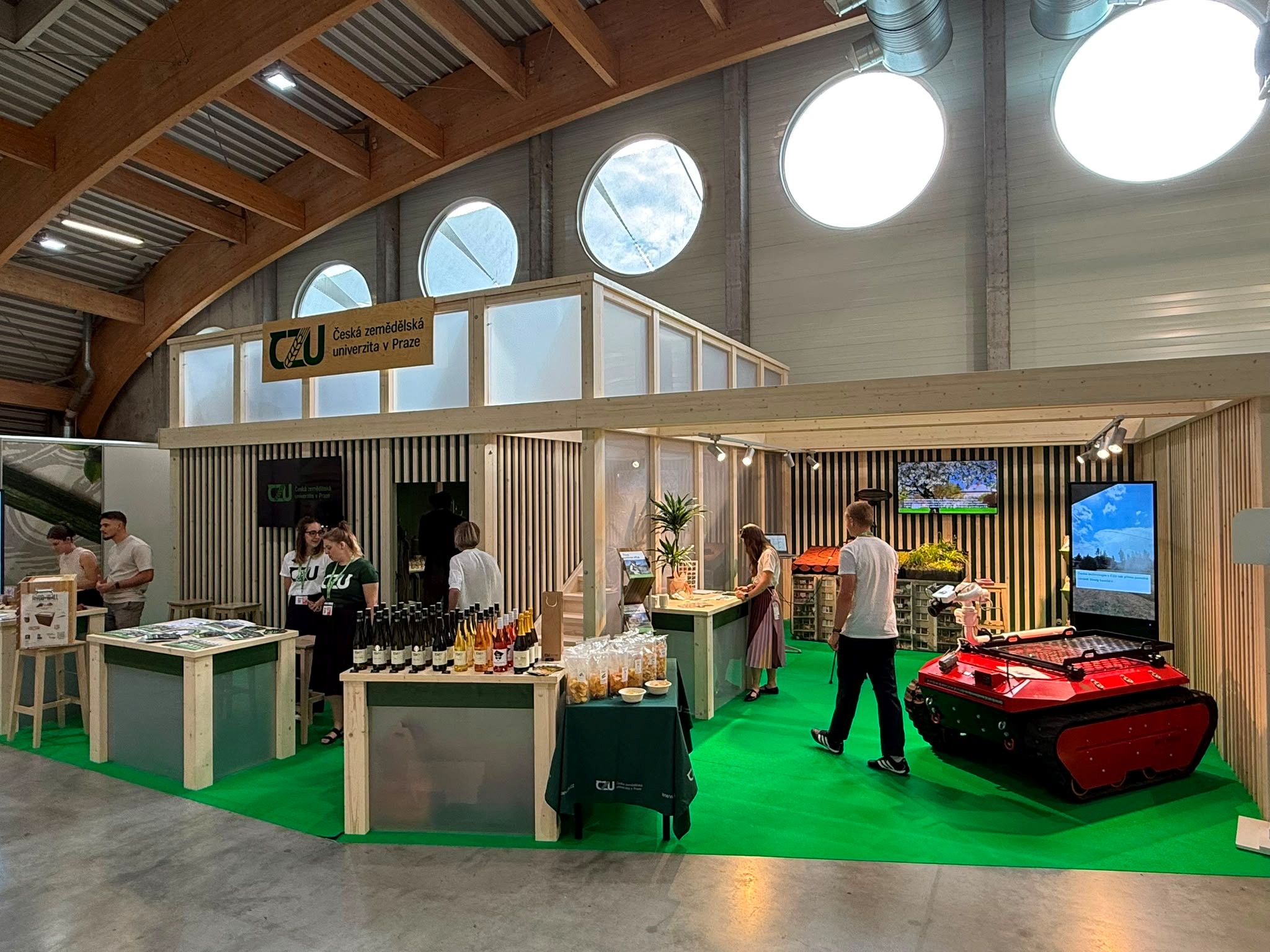
The very first day of CZU presentation at the agricultural fair Země živitelka in České Budějovice set the tone for this year’s exhibition. The Smart Landscape initiative, both in urban and rural areas, is the university’s flagship project. This time, it was introduced in the context of the regeneration of the Karlovy Vary region and solutions that can help cool overheated cities in the era of climate change. Over the following days, the CZU stand showcased a variety of smart solutions for diverse areas of life—ranging from plant health protection to natural cosmetics and the fight against the illegal wildlife trade, to forest management and technologies that can save human lives. Perhaps the biggest draw was the Hecthor II firefighting robot. Of course, it is impossible to showcase the full range of topics the university covers in a single exhibition stand. Nevertheless, from August 20 to 25, visitors were able to take away a number of inspiring experiences from the CZU exhibition and gain insight into research findings that have tangible practical applications.
Two Golden Ear Awards
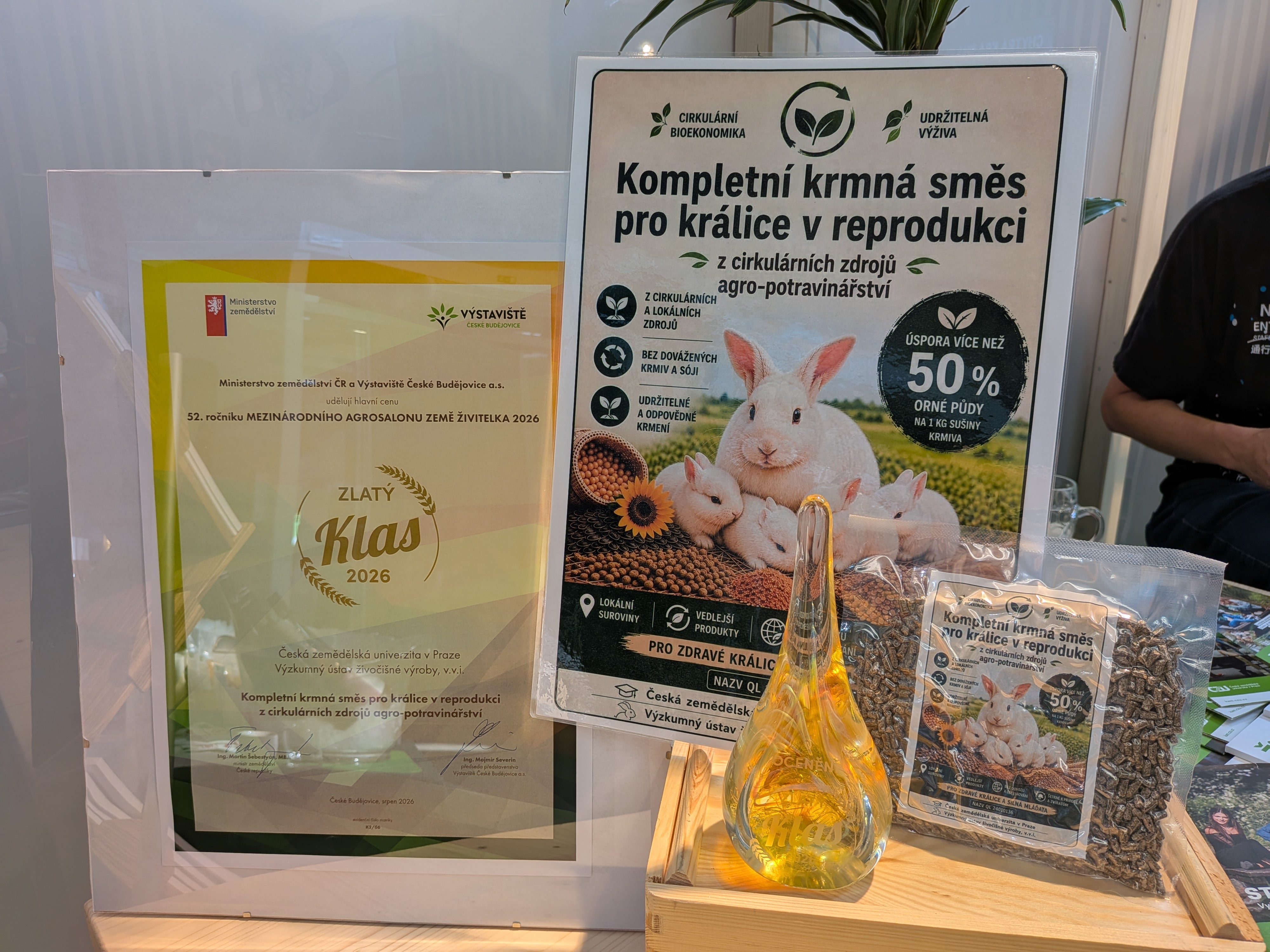
This year, our university achieved a double victory in the Golden Ear competition. In the animal production category, a feed mix for breeding rabbits made from circular resources won the prestigious award, while in the plant production category, CZU student Pavlína Kuráková took home the prize for her pickled zucchini. Experts from the CZU Faculty of Agrobiology, Food and Natural Resources and the Research Institute of Animal Production in Uhříněves collaborated on the development of the feed mixture. “The mixture is composed of organic components containing exclusively byproducts of the agri-food industry. It is an environmentally friendly feed for female rabbits and baby rabbits,” explains co-author of the recipe, Associate Professor Lukáš Zita.
Země živitelka as a Venue for New Partnerships
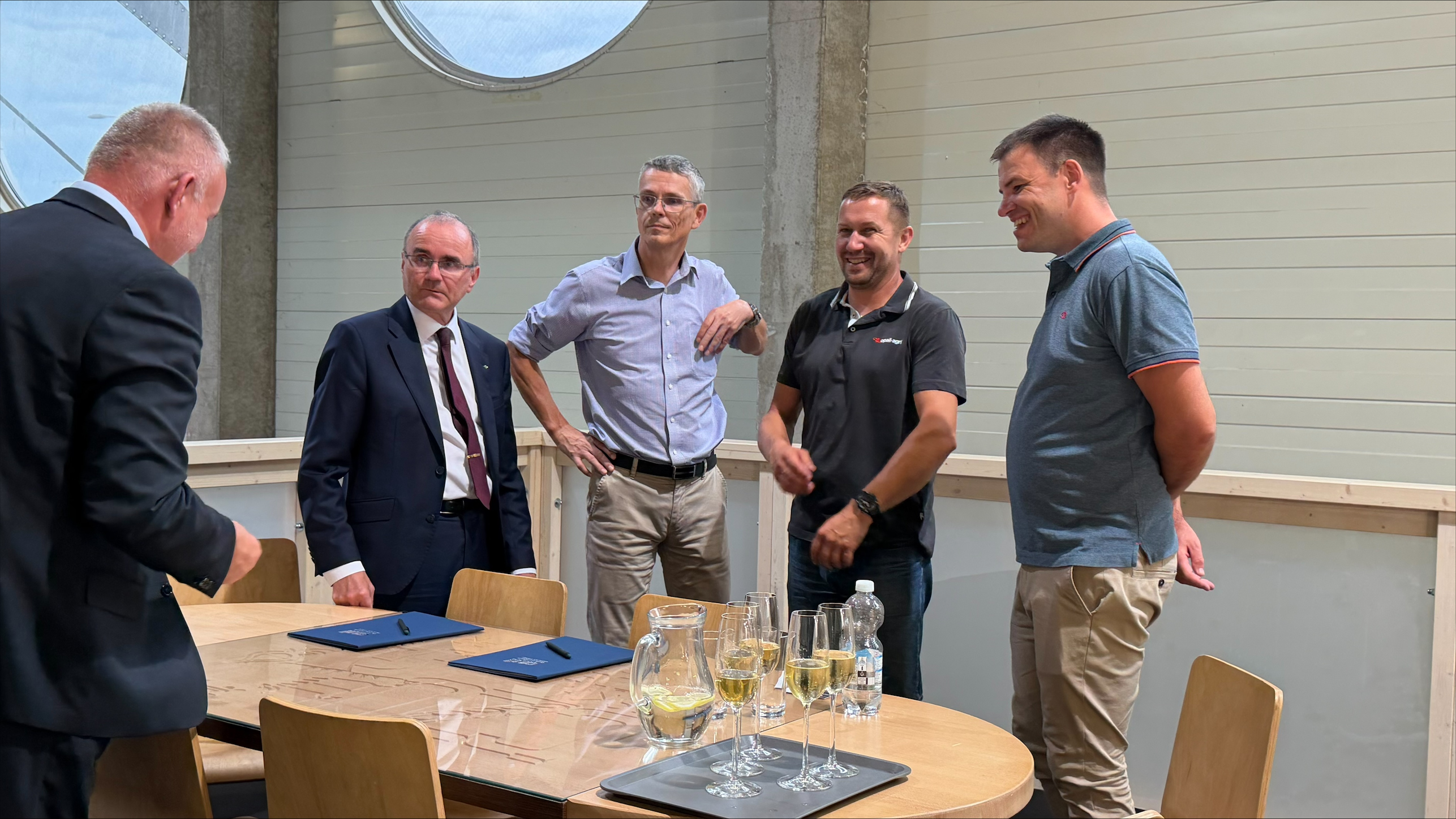
Země živitelka is not merely a showcase for new products and a venue for business meetings. Traditionally, new partnerships are also formed here. This year, CZU confirmed its collaboration with the industry by signing several important documents. One of them is a cooperation agreement with the Association of Agricultural Machinery Importers. It will allow CZU students to use the facilities of companies affiliated with the organization for internships and professional training, while also providing them with topics for their final theses.
Together with the Agricultural Machinery Association, the university signed a memorandum aimed at fostering cooperation with Czech manufacturers of agricultural machinery. The goal is to forge closer ties between the academic and industrial sectors, for the benefit of both students and faculty members. The partnership will facilitate participation in contract research and joint projects and offer additional opportunities for internships, work placements, and thesis projects.
Another memorandum was signed between CZU and the Czech Plowing Society. The collaboration will focus on education and the promotion of proper soil cultivation, as well as on supporting plowing as a premier craft skill among farmers. It will also include cooperation in organizing competitions and involving students in competitive plowing events.
Smart Landscape in Rural and Urban Areas
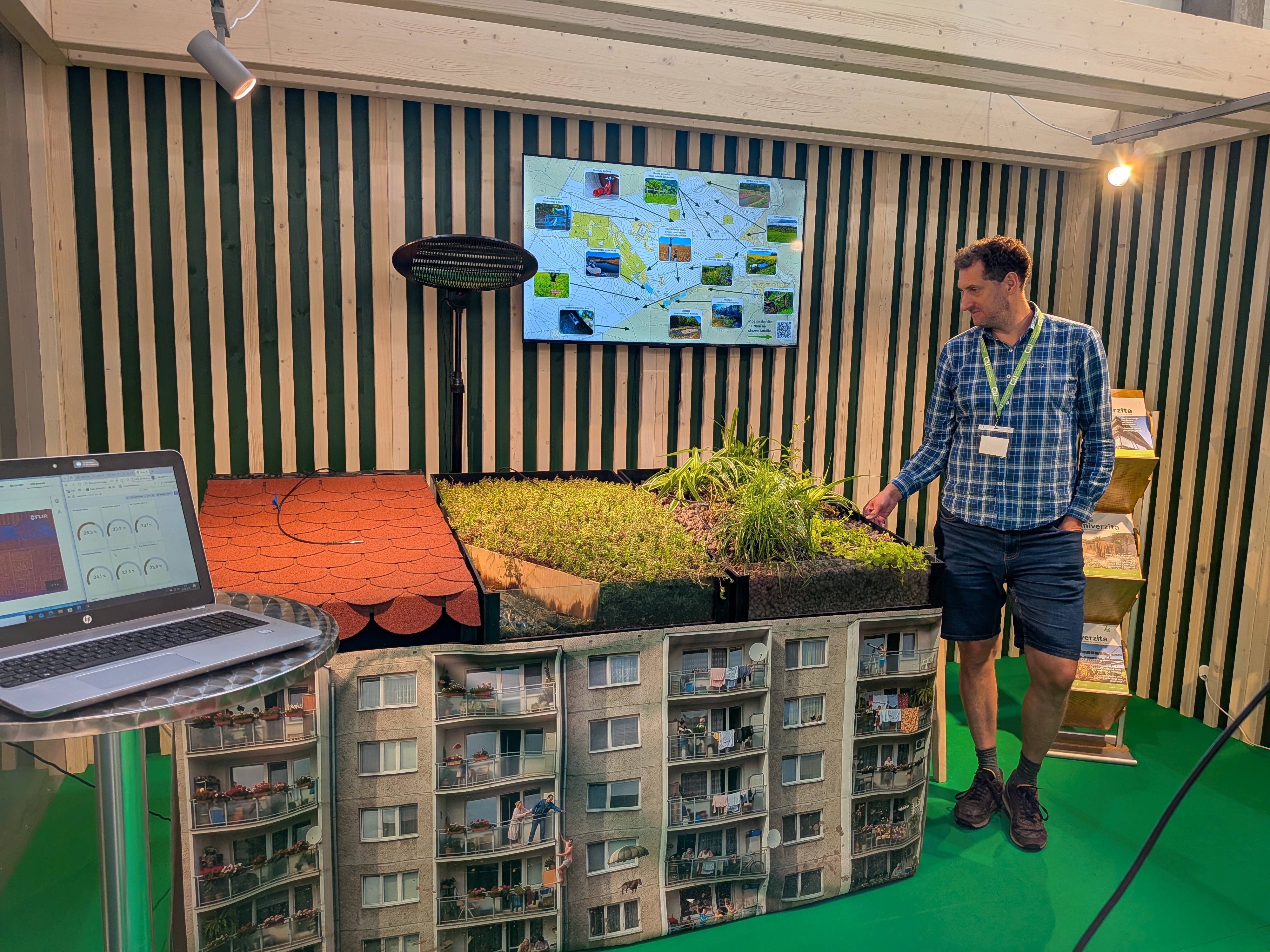
First up at the CZU stand was the Faculty of Environmental Sciences, presenting its unique Smart Landscape 2030+ project. The project aims to transform the Karlovy Vary region into a model region of sustainable, climate-resilient, and data-driven landscapes. It addresses not only climate change but also the region’s post-coal-mining transformation. Smart Landscape integrates climate, water, landscape, and urban modeling into a single system, creating a digital twin of the entire region. It will be linked to real-world sensors, a hydrological model, and climate simulations.
Another topic was particularly inspiring for residents of cities that suffer from overheating in the summer. Using an interactive model, experts demonstrated how a green roof cools a building and its surroundings. They showed the temperature difference between a black roof and a green roof, as well as how rainwater is utilized on different types of roofs. Visitors witnessed temperature measurements taken with a thermal camera and comparisons of different roof types, demonstrations of blue-green infrastructure, and experiments for both children and adults.
Genetics Helps Uncover Illegal Animal Trade
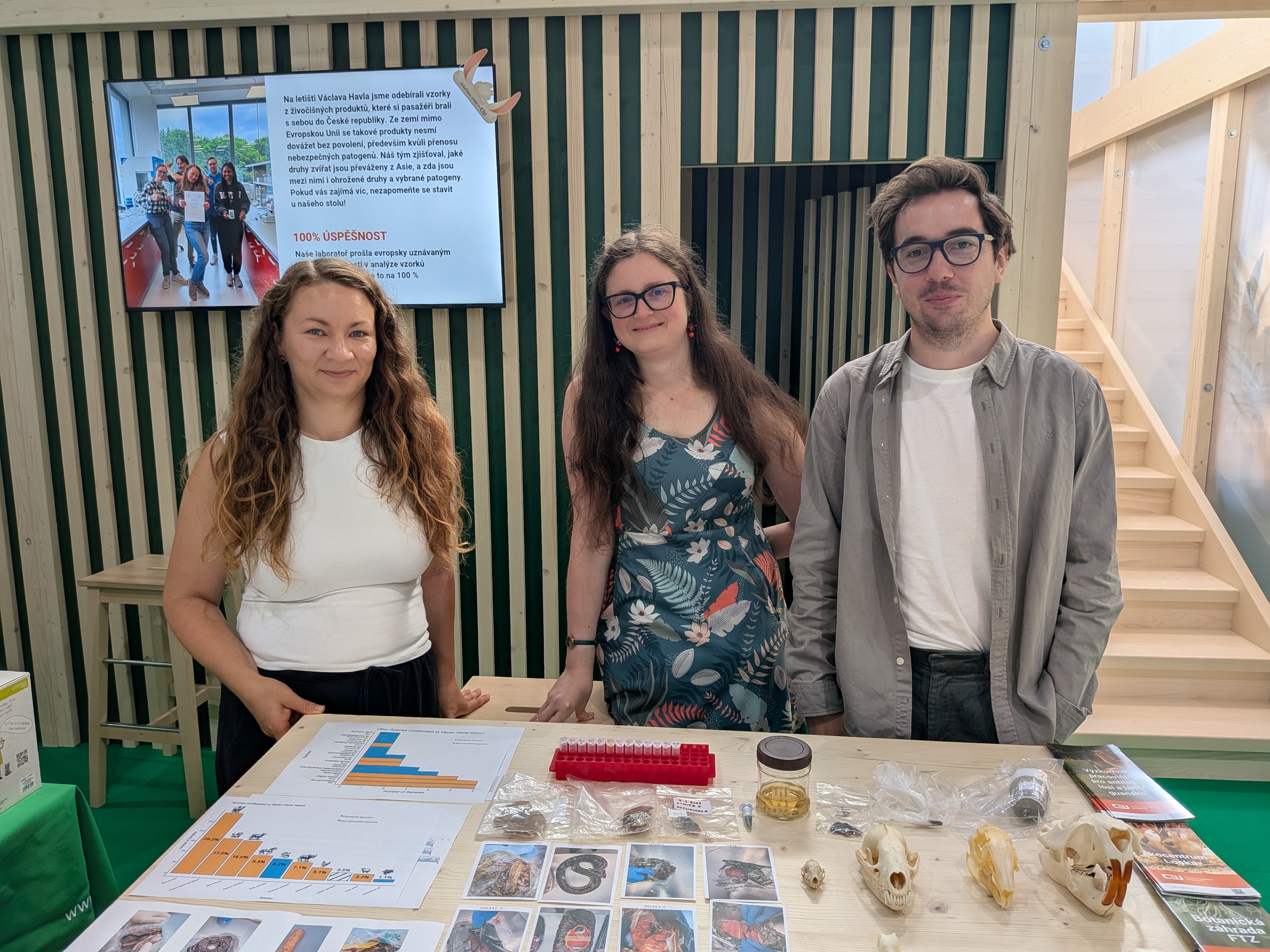
On Friday, the Faculty of Tropical Agriculture presented practical applications of molecular genetics methods. Visitors had the opportunity to examine various types of biological samples and animal materials—such as feces, tissues, scales, skulls, and items resembling those seized during border inspections.
Genetic testing helps uncover illegal wildlife trade, protect endangered species, and support the work of government agencies. It is also important for public health, as pathogens that cause infectious diseases can spread across borders along with meat and other animal products.
Researchers collaborate with the Customs Administration, for example, during inspections at Václav Havel Airport in Prague. Using genetic methods, they can determine which animal species are actually hidden in the transported meat and other products.
From Student Entrepreneurship to the Future of Czech Forests
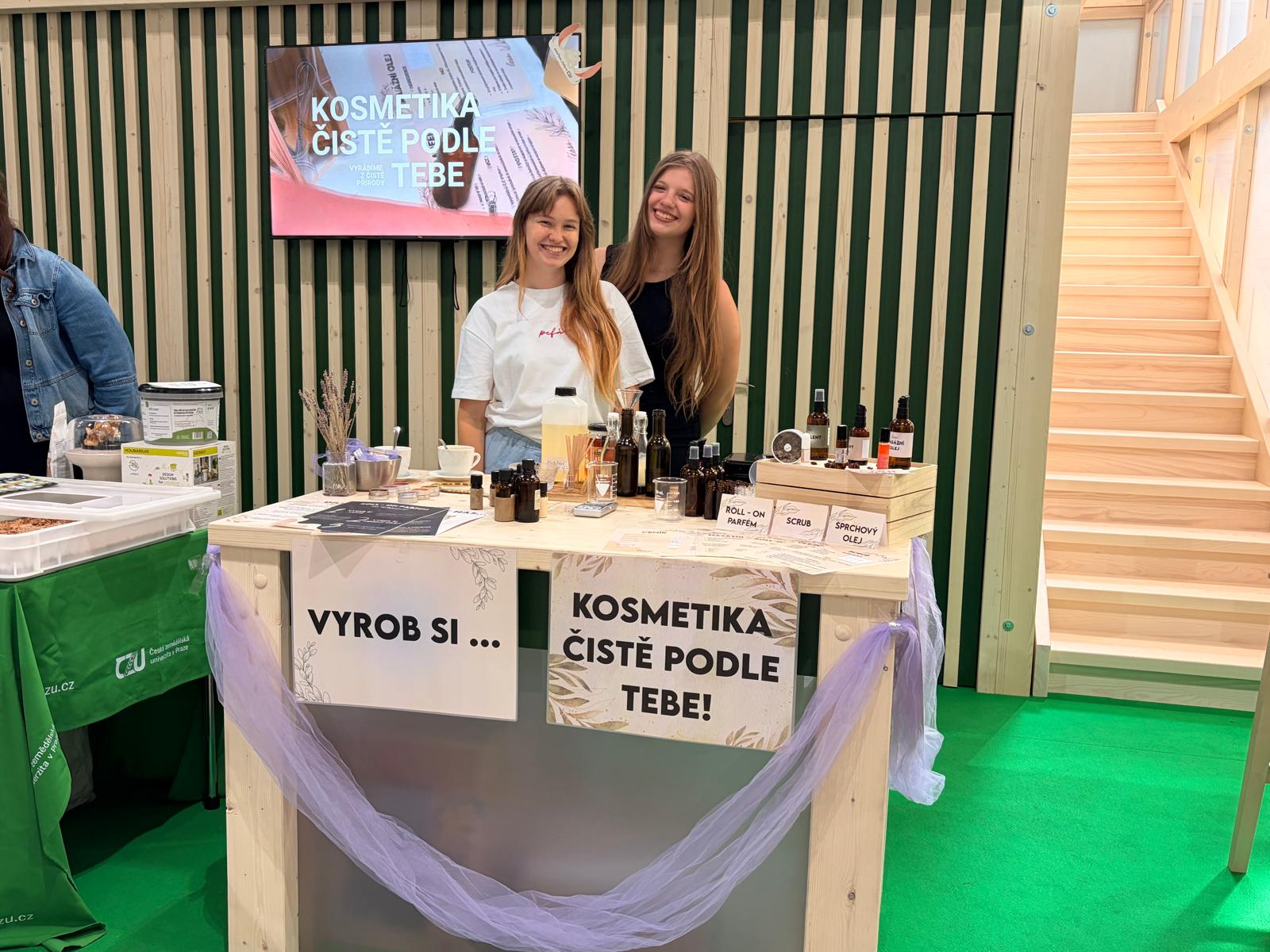
On Saturday, the Faculty of Economics and Management took the stage and presented a student project called LESS, which combines entrepreneurship with an emphasis on sustainability and an environmentally friendly approach. Students develop and manufacture natural cosmetics, applying the knowledge they’ve gained during their studies to a real-world business venture.
Sunday’s program belonged to the Faculty of Forestry and Wood Sciences. The faculty presented a film titled Buildings with the Scent of Wood, which traces the journey of wood from the forest to contemporary architecture and showcases specific completed buildings. The film’s academic advisor is the faculty’s vice dean, Radim Löwe.
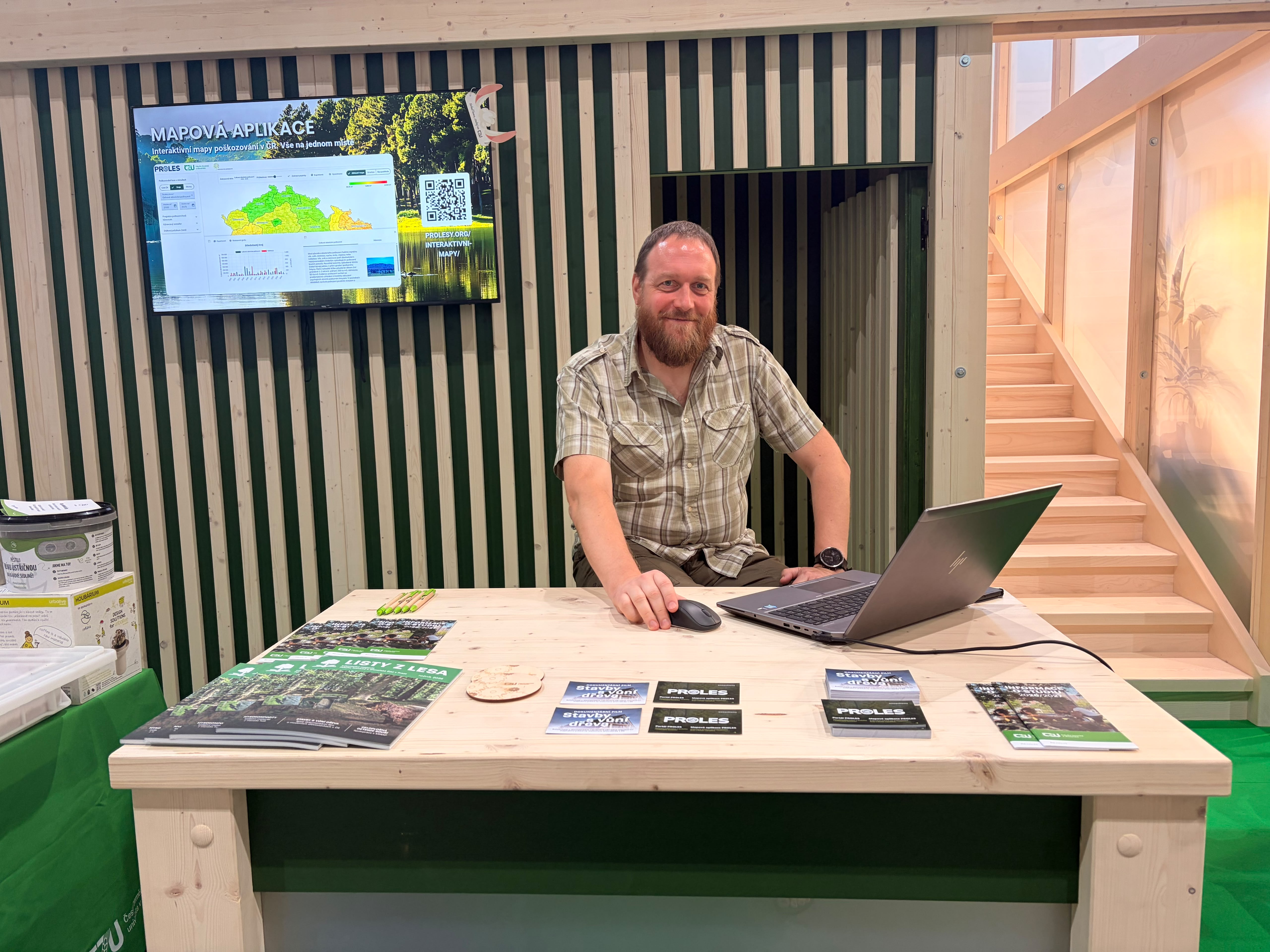
Researchers from the Faculty of Forestry and Wood Sciences also presented the PROLES map application and portal, which offers a new perspective on current and future forest damage in the Czech Republic. “The map application provides access to a wide range of data on damage to Czech forests since 2000 caused by dozens of harmful factors, such as wind, snow, ice, forest fires, drought, insects, fungal pathogens, and rodents. Until now, this data has only been available in the form of various reports—for the first time, it is possible to interactively track trends in forest damage using maps and graphs, thereby gaining a better understanding of the changes taking place,” explains Professor Tomáš Hlásny, the portal’s coordinator.
How to Protect Plants in the Era of Climate Change
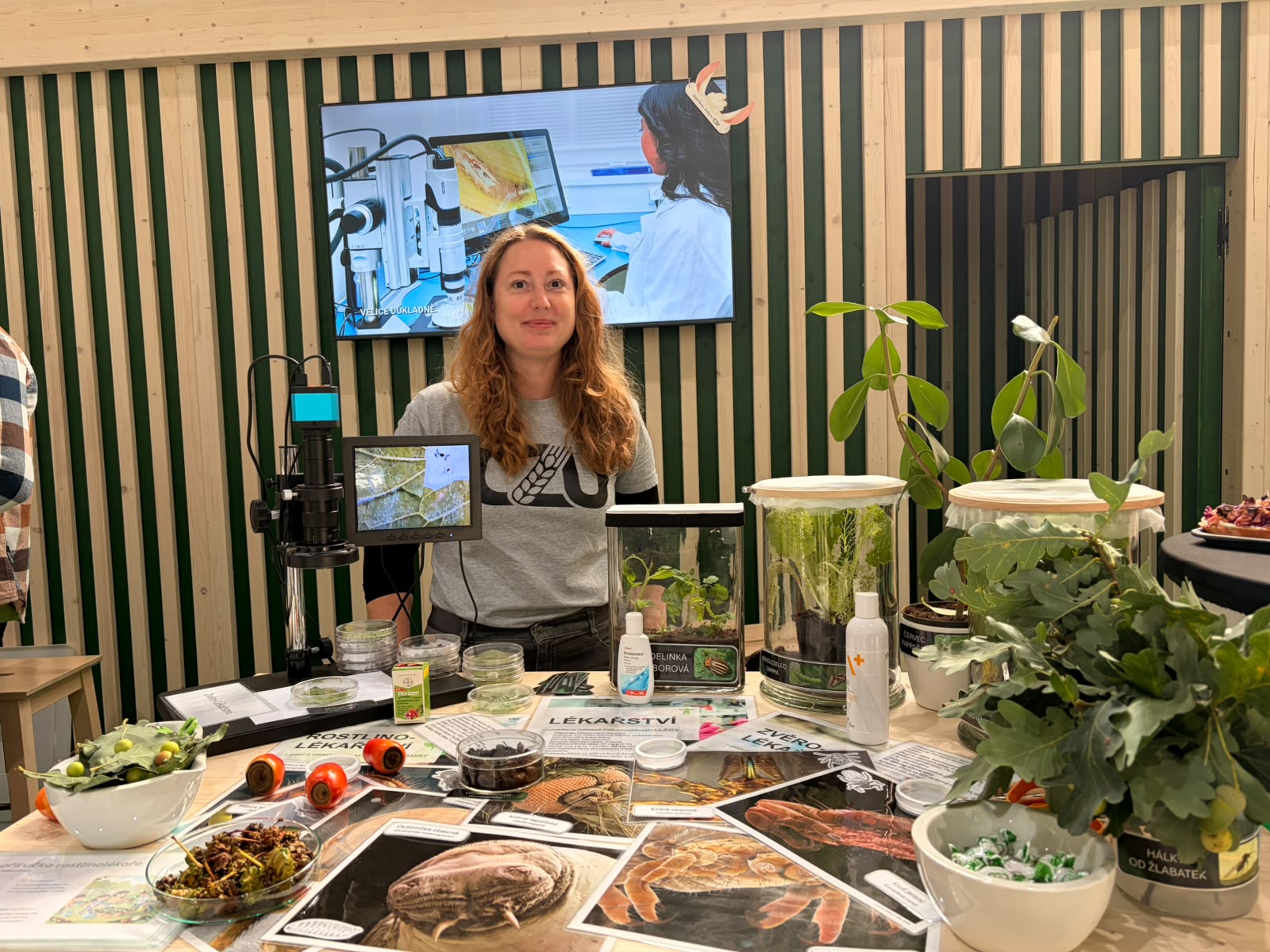
Monday’s program featured experts from the Faculty of Agrobiology, Food, and Natural Resources. They introduced visitors to plant pathology and modern approaches based on integrated and biological plant protection. The main principle is to prevent problems and use more environmentally friendly protection methods so that chemical products—that is, pesticides—are used only as a last resort.
A Firefighting Robot with Experience from a War Zone
The conclusion of the university program at Země živitelka was dedicated to fans of engineering and modern technologies. On Tuesday, the Faculty of Engineering unveiled the unique Hecthor II firefighting robot, which was born out of a collaboration between academic research and industrial development. The robot has proven itself even under extremely demanding conditions in Ukraine, where it assists in rescue operations amid the rubble left by Russian attacks. The current version of Hecthor II has a reinforced structure and can operate even in flooded areas.
Moreover, its uses extend beyond firefighting. It can serve as a means of transport or a mobile power source and can handle even very heavy loads. It can pull a tanker weighing up to 25 metric tons uphill.
Point One: The Starting Line for Entrepreneurship
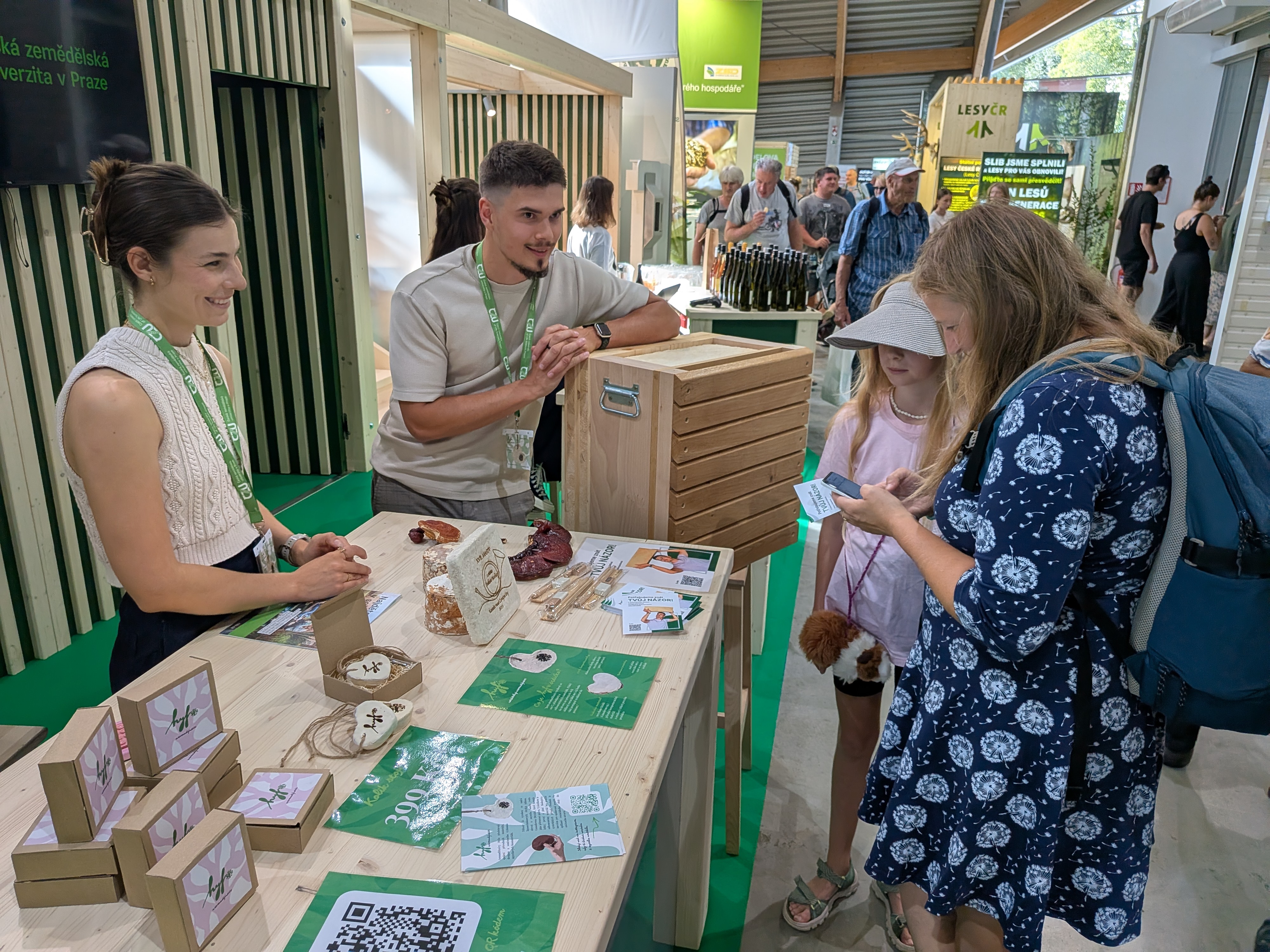
The Point One CZU business incubator, which helps turn innovative ideas into reality, was also part of the Země živitelka fair. This year, the incubator showcased three projects: Hyfo aroma diffusers, the World of Insects insect farm, and the TexAgrona project. Each project demonstrates in its own way how science, sustainability, and a viable business can be combined.