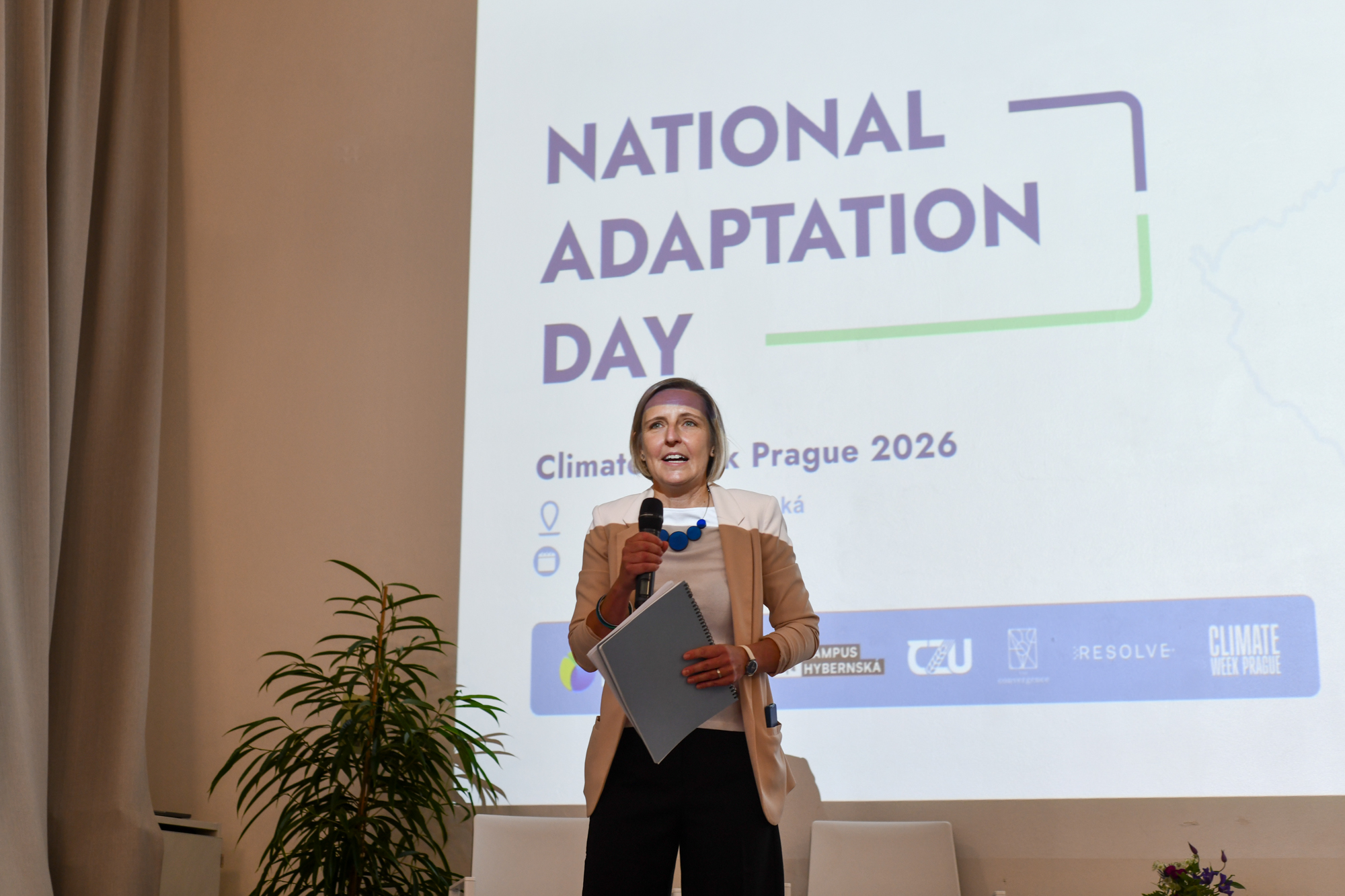
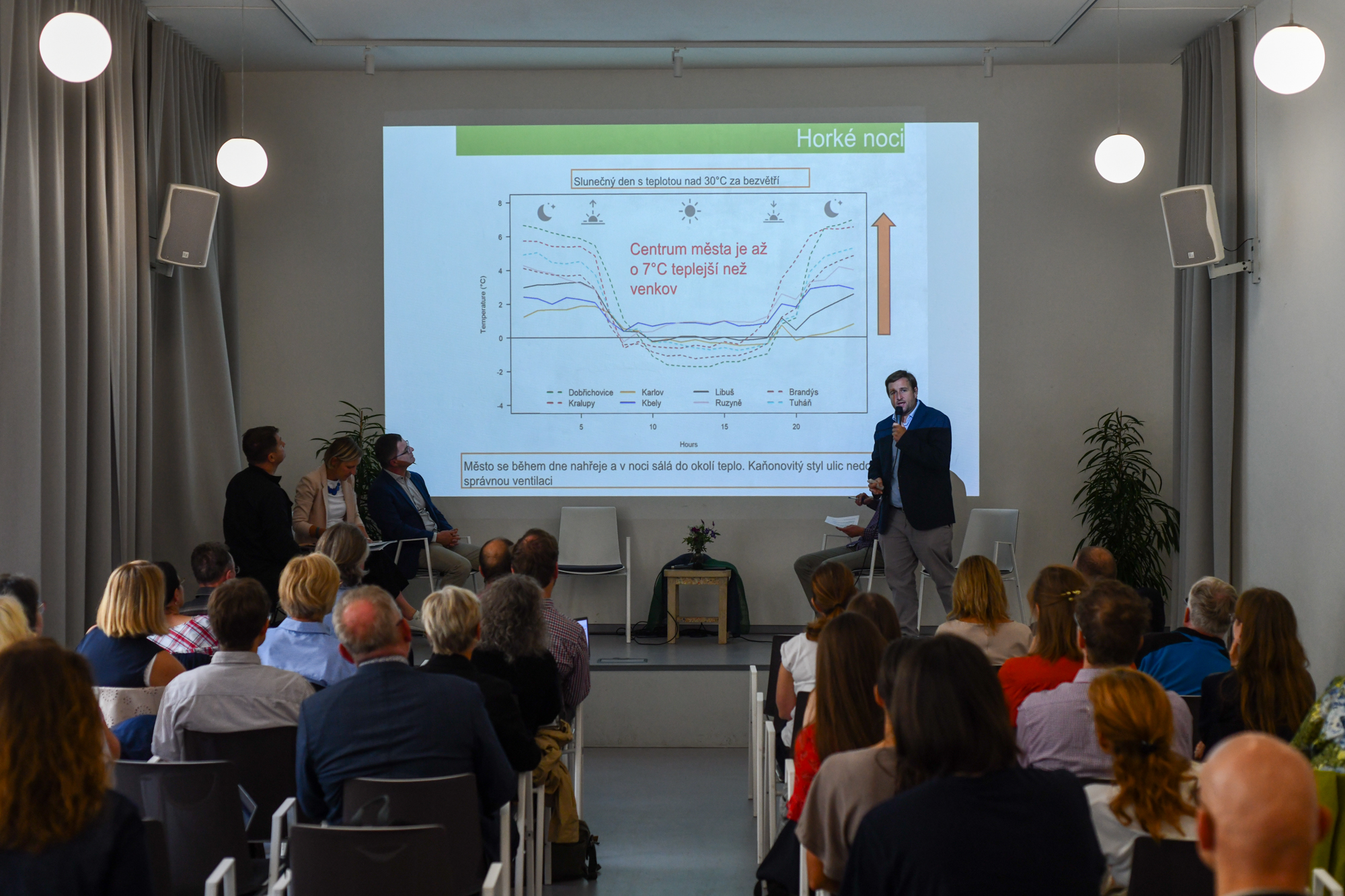
How to turn climate policies on paper into real-world action? That was the core question at National Adaptation Day, held on Tuesday, September 15, 2026, at Kampus Hybernská in Prague. The event brought together government officials, local authorities, and climate experts to highlight real-world examples of how Czech cities and rural areas are successfully adapting to climate change.
The event was co-organized by the Czech National Adaptation Hub, Prague City Hall’s Environmental Protection Department, and the Faculty of Environmental Sciences at the Czech University of Life Sciences (CZU). Refreshments were provided by the university's Sustainability Office, featuring produce from CZU’s Food Pavilion (Faculty of Agrobiology, Food and Natural Resources).
Turning Adaptation Strategies into Action
The main focus of the day was bridging the gap between strategy and execution. By bringing together perspectives from local government, public administration, academia, and field practitioners, the event aimed to pinpoint ways to speed up climate adaptation across the country.
Attendees represented a wide range of organizations, including the Ministry of the Environment, the Ministry of Regional Development, Prague City Hall, local district councils, and regional authorities such as the Liberec Region. Representatives were also present from key universities (CZU, CTU, MUNI, AVU), state institutions like the Průhonice Research Institute, CzechInvest, and Ohře River Basin Management, as well as NGOs including JINAG, the Nature Conservation Forum, and Green Circle.
Key discussions centered on the importance of demonstration sites and the specific climate challenges currently facing Czech cities.
A More Climate-Resilient Capital
The afternoon session turned its focus specifically to Prague. Speakers addressed how the city is managing rainwater, expanding green spaces, redesigning public areas, and developing blue-green infrastructure to boost overall climate resilience.
These topics were demonstrated using real-world local projects. Highlights included the recent redesign of Jiřího z Poděbrad Square and upcoming plans for the event site itself – Kampus Hybernská. It is set to become a benchmark for urban climate adaptation in dense city areas. Planned initiatives focus on rainwater management, urban cooling, data collection for other future adaptation projects, and education.
Hands-On Demos: From Green Roofs to Natural Watercourses
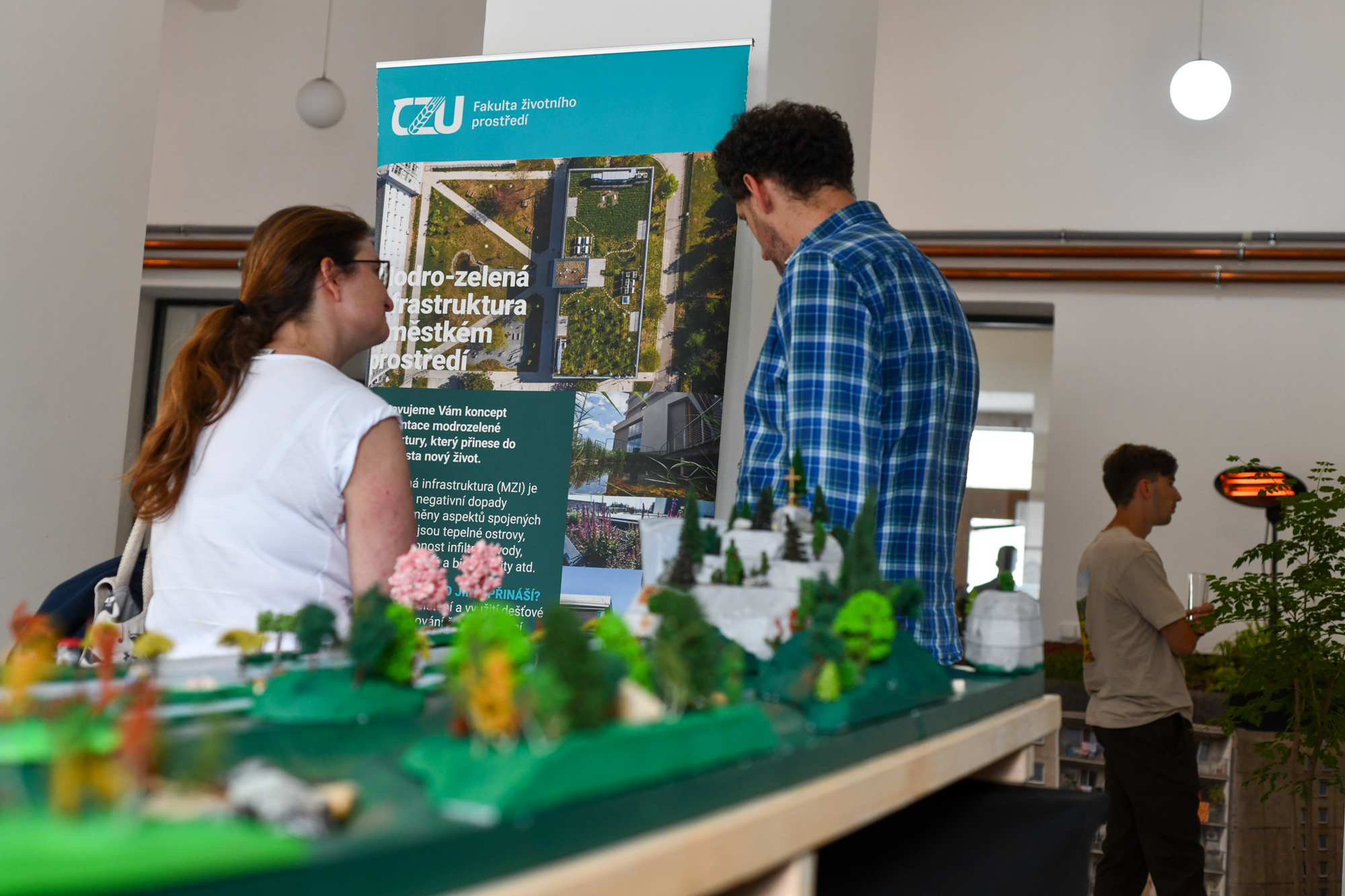
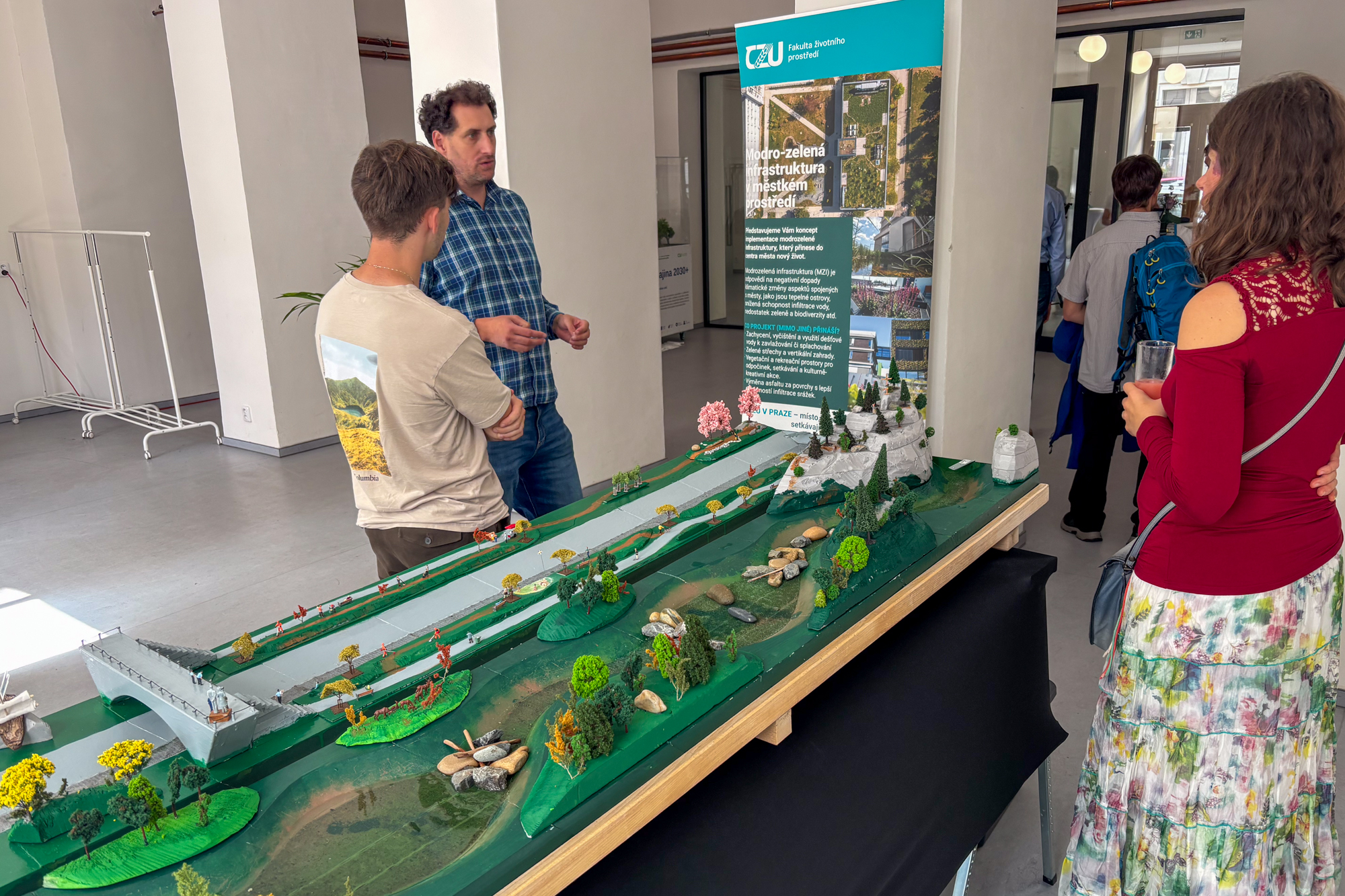
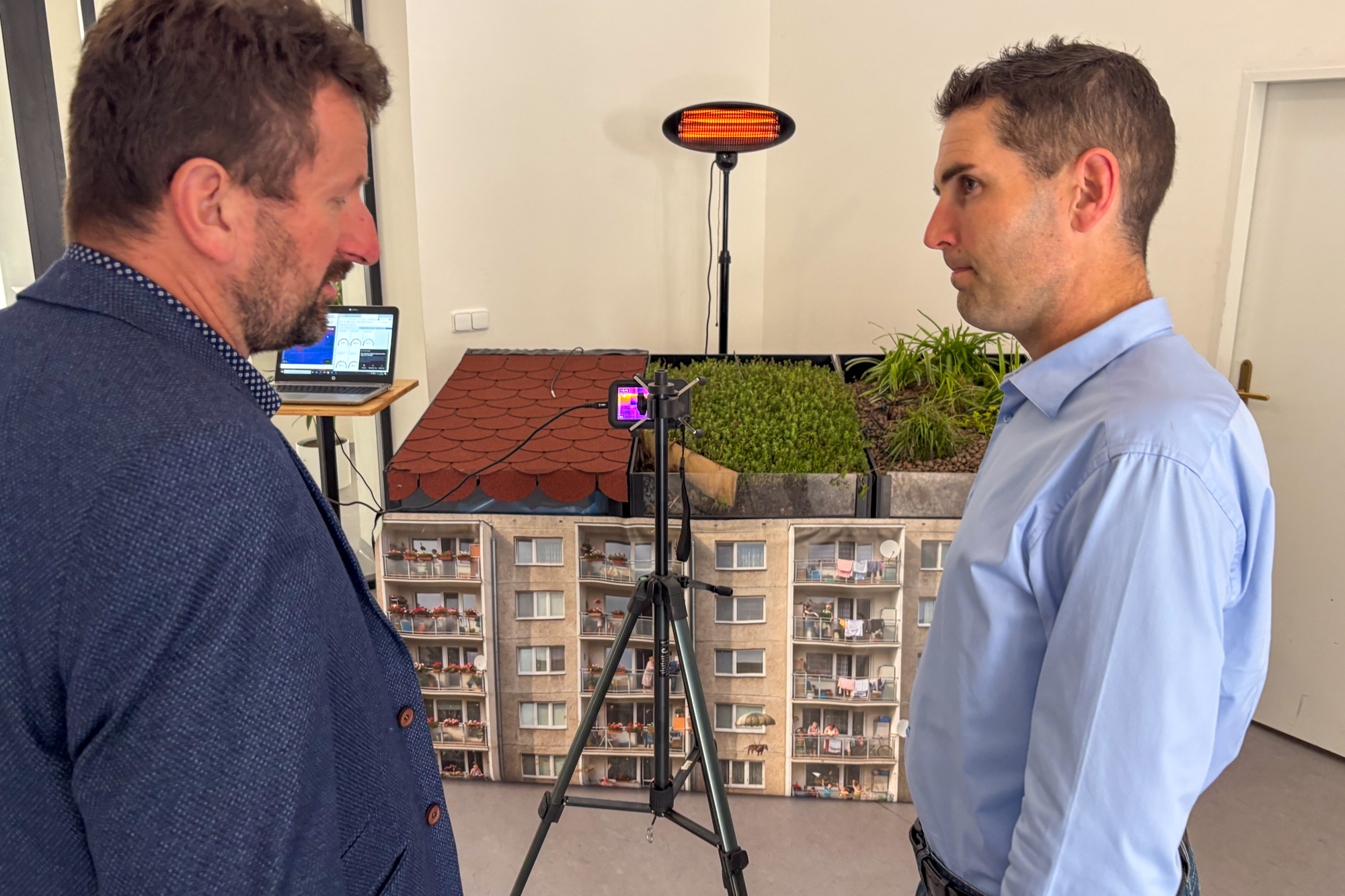
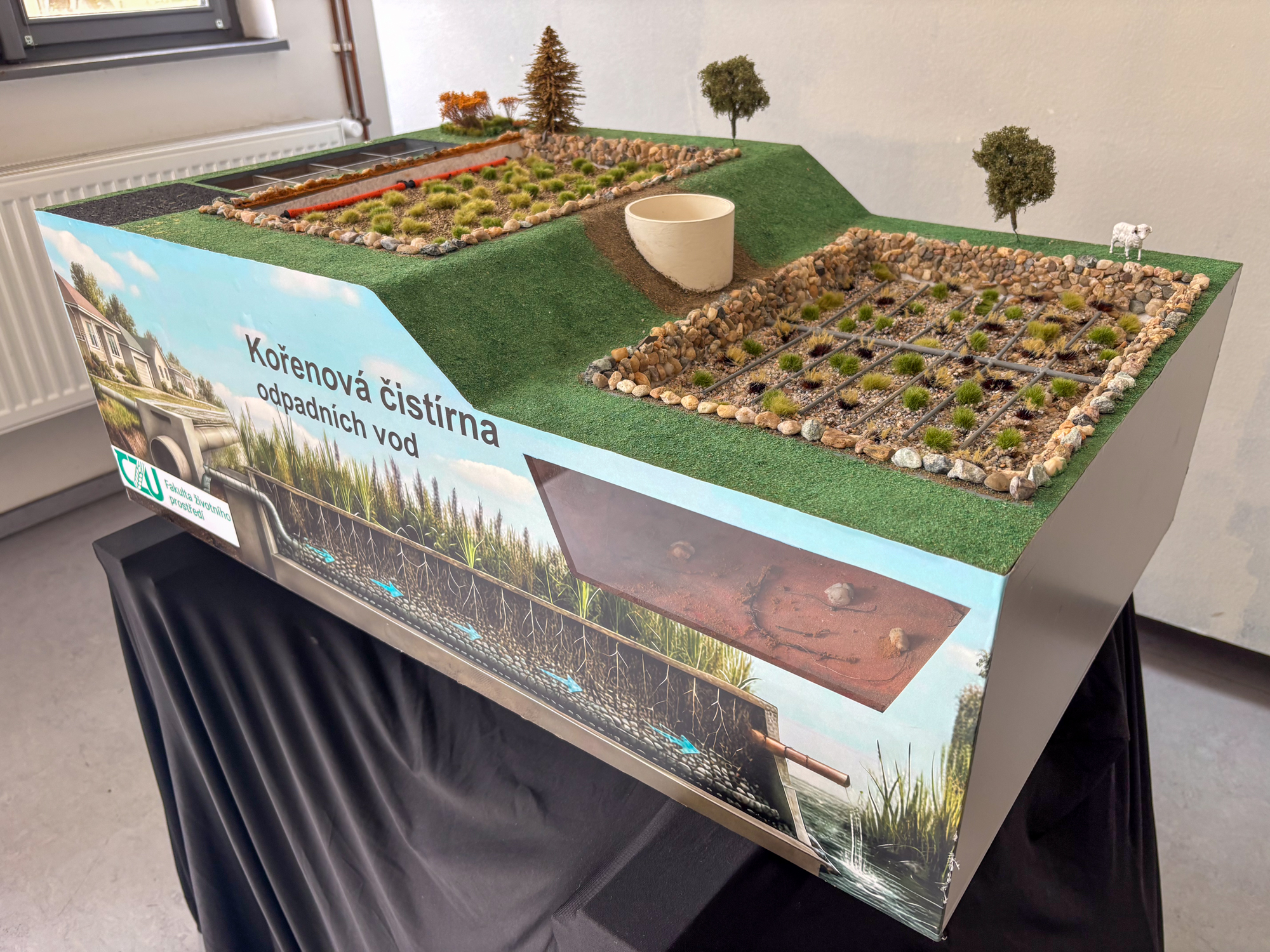
To complement the discussions with practical takeaways, the organizers hosted an interactive exhibition featuring three hands-on demonstration models.
The climate-adapted house model showed how plants, water features, and shading directly affect a building's microclimate. A roof comparison model highlighted the differences between standard, green, and retention roofs in retaining water, slowing runoff, and lowering temperatures. And a revitalized stream model contrasted straightened channels and near-natural watercourses in terms of water retention, flow rate, runoff, and ecological function.