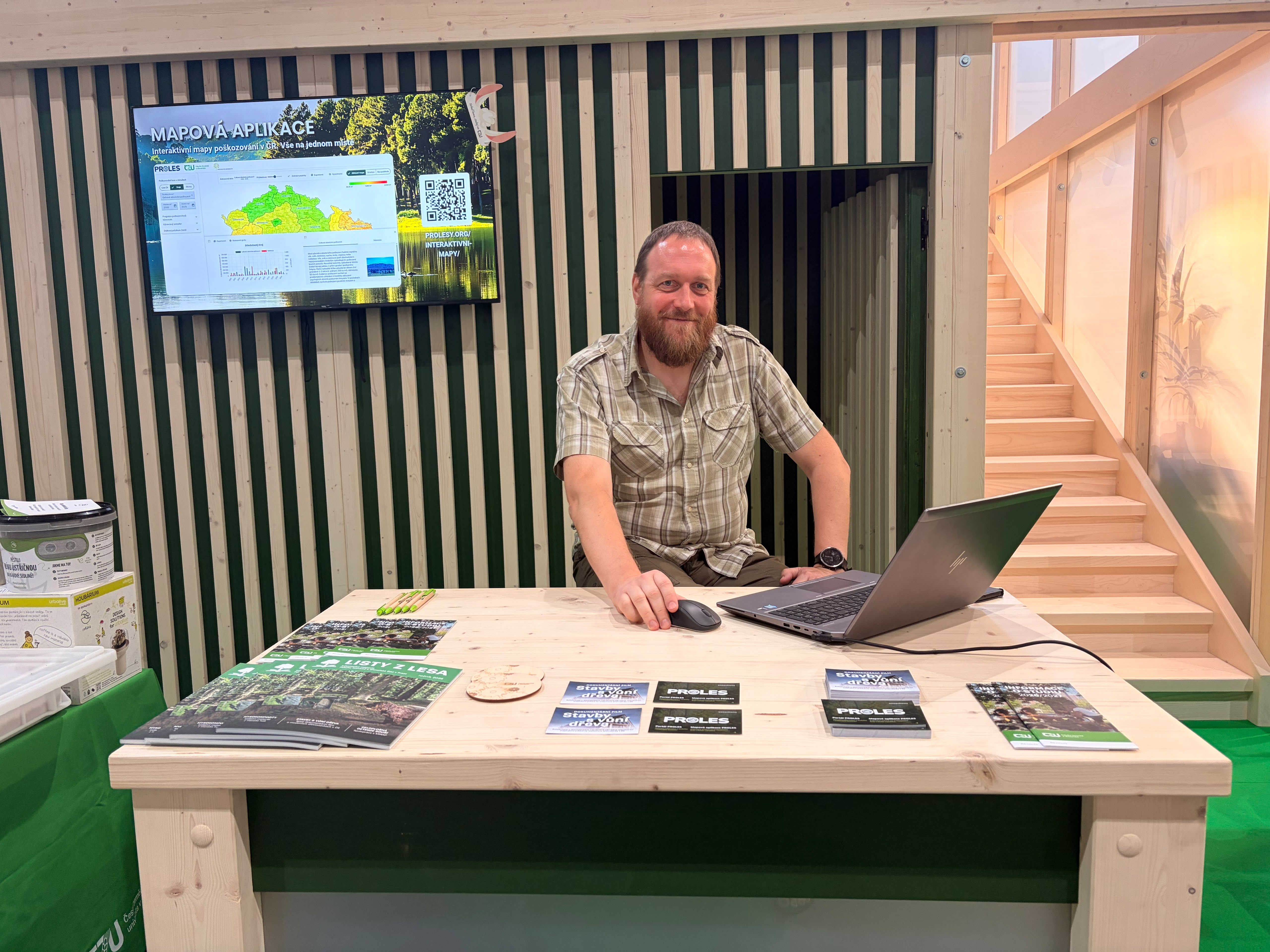
The PROLES map application is a tool designed for forestry professionals and managers, as well as members of the public interested in the condition of our forests. It offers unique insights into current and future forest damage in the Czech Republic and represents an invaluable source of information for forest management in the 21st century. At the Země živitelka agricultural exhibition, PROLES was presented on Sunday, August 23 by the Faculty of Forestry and Wood Sciences, which developed this professional tool in cooperation with the Ministry of Agriculture. Read more in our interview with Professor Tomáš Hlásny from the Forest Risk Research Department at the Faculty of Forestry and Wood Sciences, Czech University of Life Sciences Prague.
This year, your faculty is offering visitors to the CZU stand at Země živitelka a unique film entitled Buildings with the Scent of Wood, as well as an introduction to the PROLES application. What can users find there?
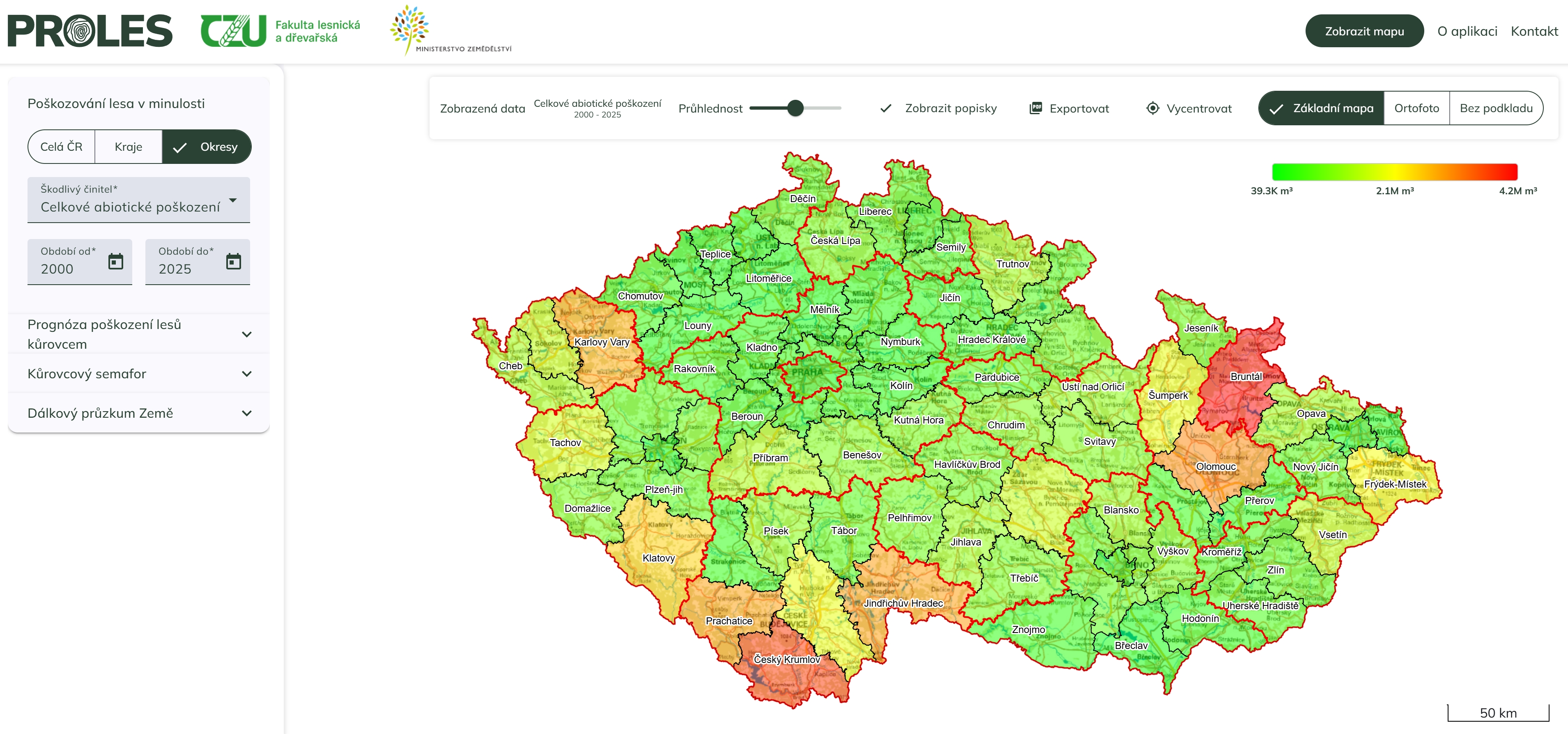
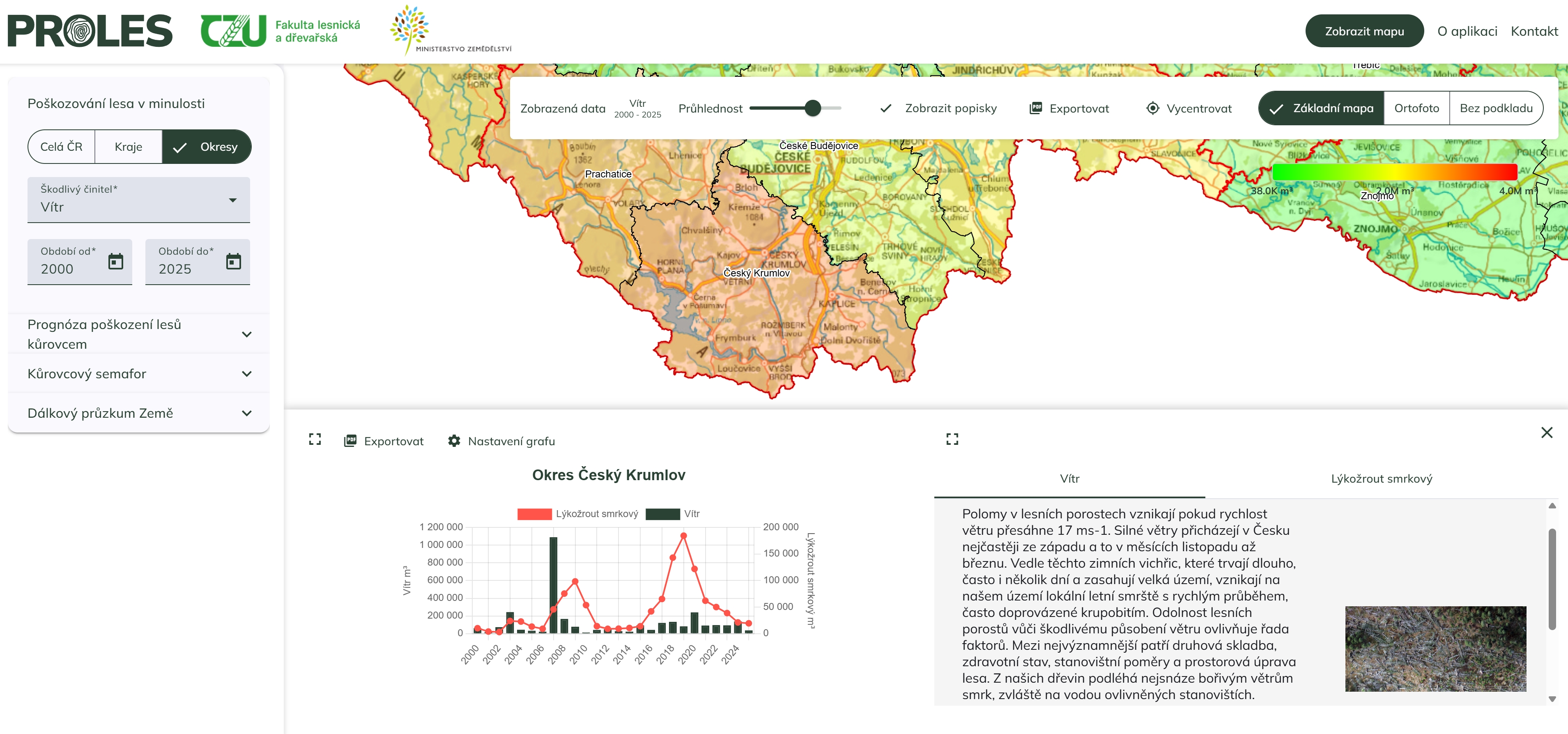
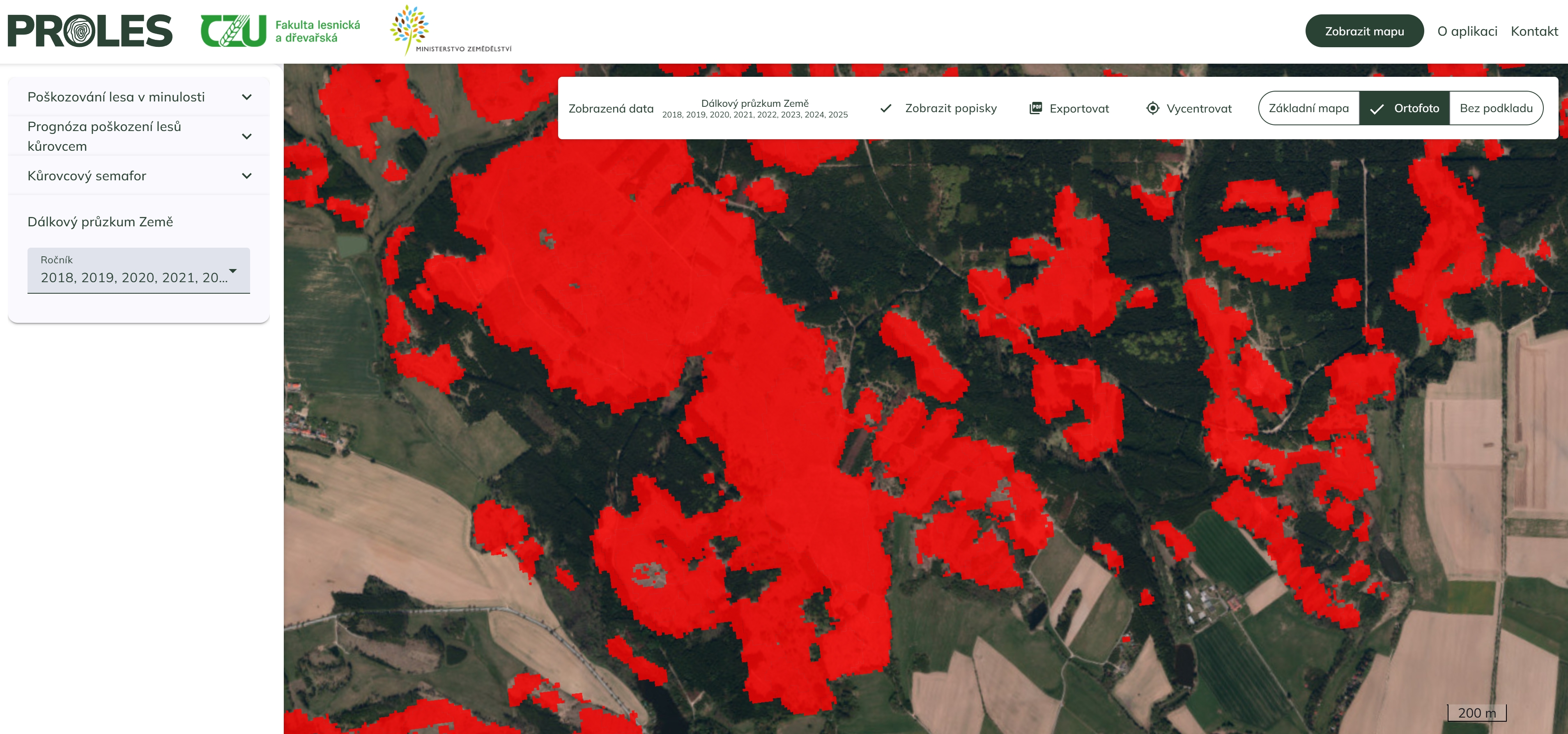
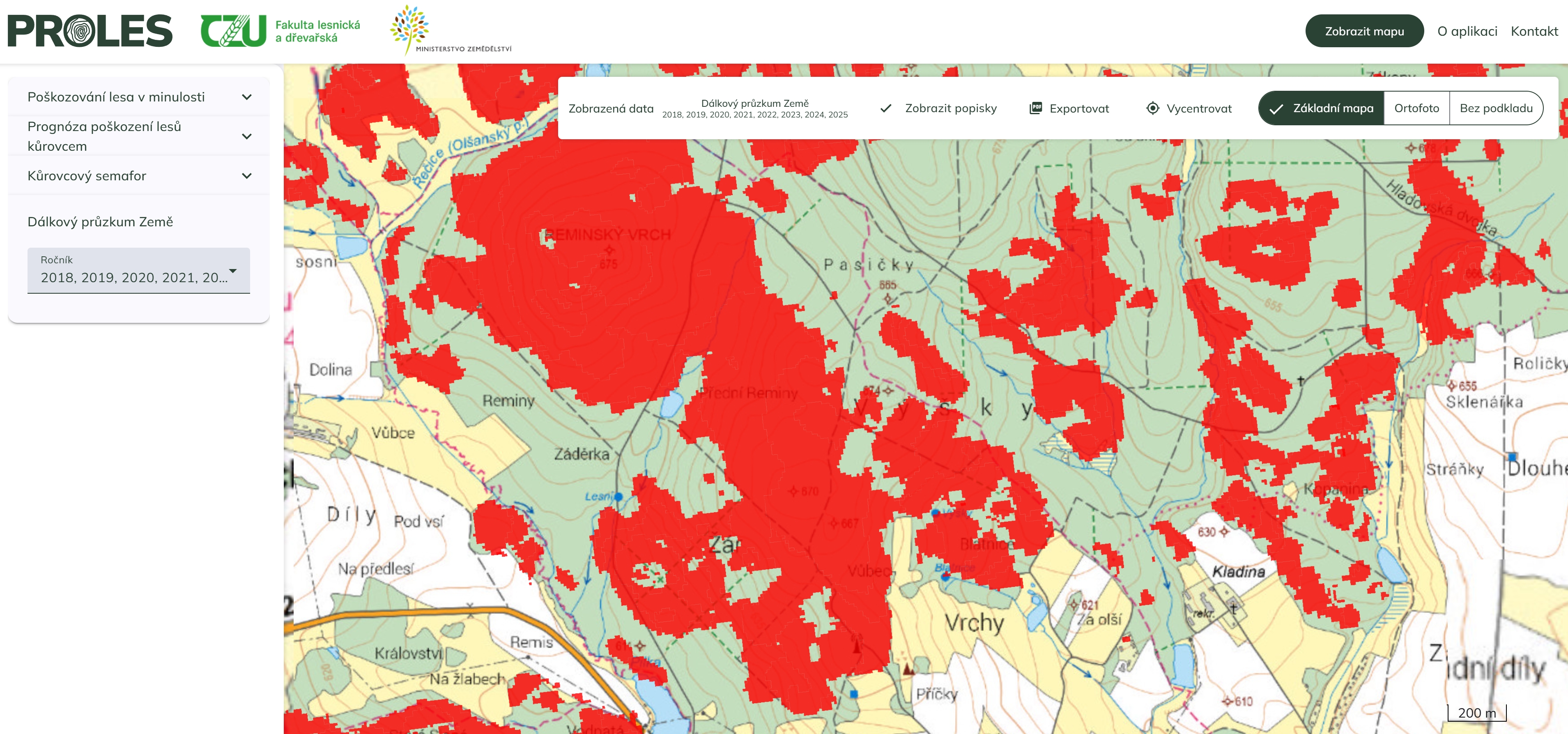
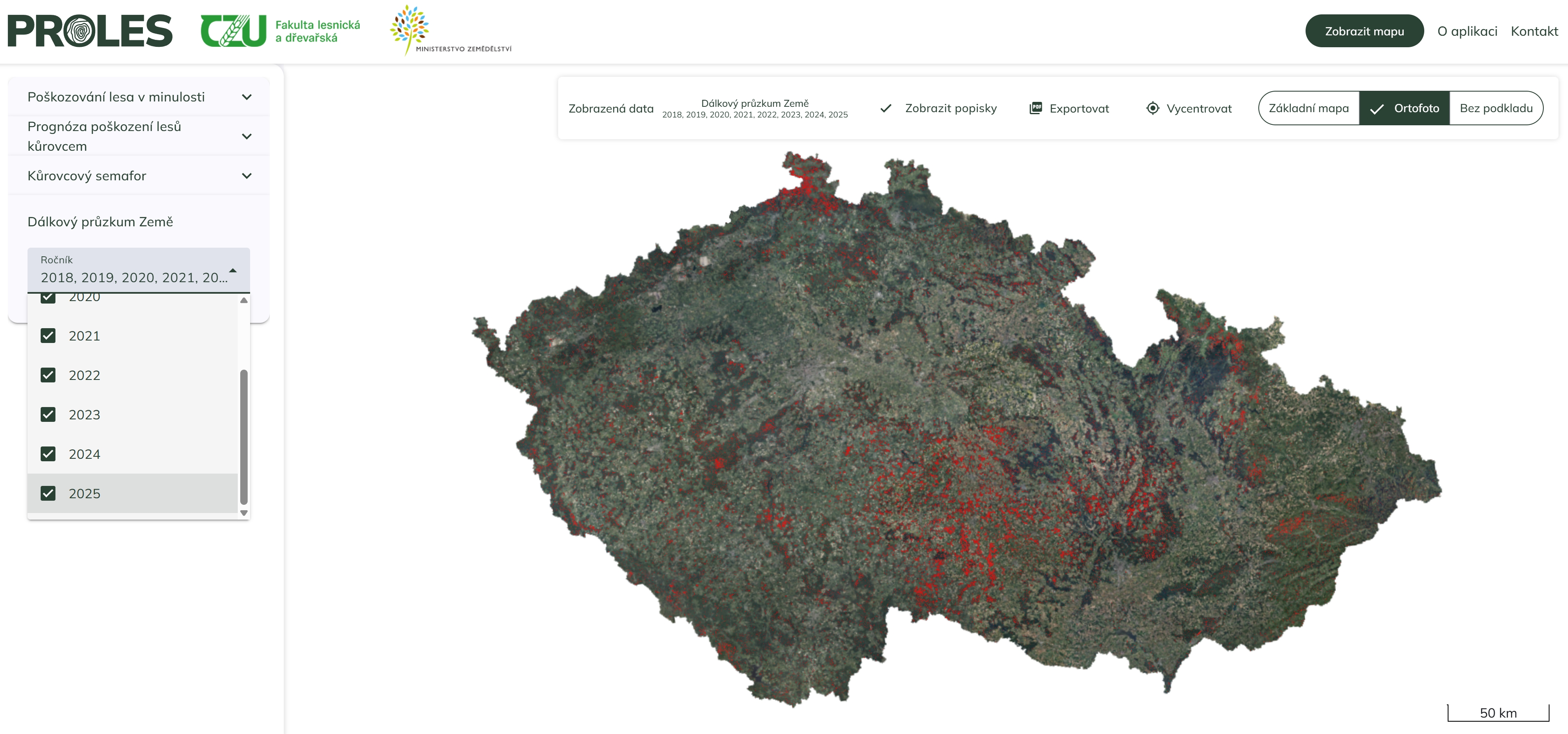
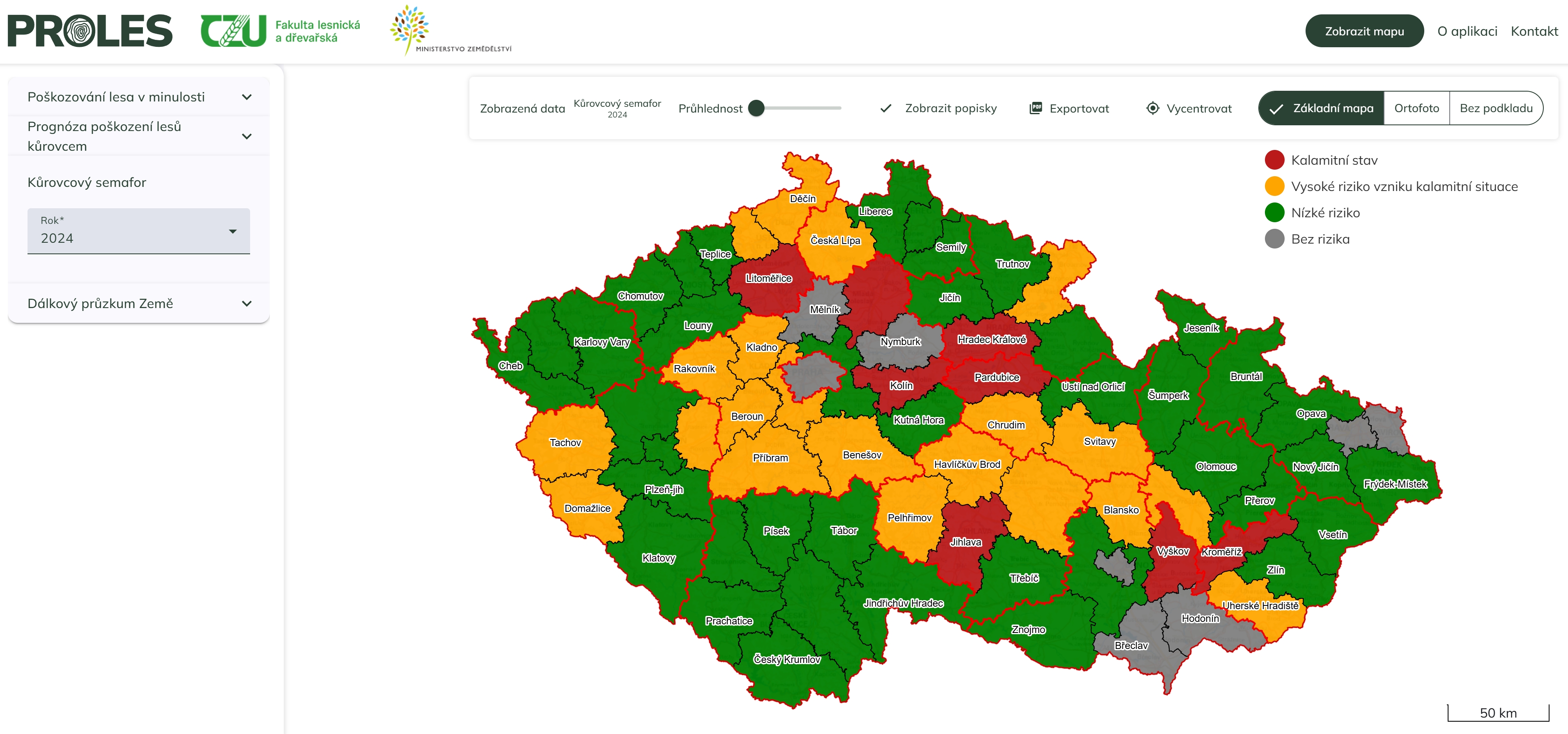
The map application provides access to a wealth of data on damage to Czech forests caused by dozens of harmful agents since 2000. These include wind, snow, ice, forest fires, drought, insects, fungal pathogens, and rodents. Until now, these data have only been available in various reports. For the first time, users can interactively track trends in forest damage through maps and charts, gaining a better understanding of the changes taking place. The application also provides three-year forecasts of bark beetle-caused damage, assessments of the risk of bark beetle outbreaks, and evaluations of forest damage throughout the Czech Republic using remote sensing data.
Importantly, the application forms part of the broader PROLES web portal (www.prolesy.org), which includes numerous popular-science and expert articles, as well as translations of various strategic documents focusing on strengthening the resilience of European forests. It is this integration that makes PROLES unique. Visitors can learn about the latest findings on the causes, impacts, and future developments of ongoing changes, as well as ways to respond to them, while using the map application to explore these developments within the familiar environment of the Czech Republic.
Both the portal and the application were developed through cooperation between the Faculty of Forestry and Wood Sciences at the Czech University of Life Sciences Prague and the Ministry of Agriculture of the Czech Republic. Data on forest damage comes from the Forest Protection Service operated by the Forestry and Game Management Research Institute.
Who is PROLES primarily intended for?
Both the PROLES portal and the map application are designed for a broad range of users, as reflected in their structure. They include sections titled For the Public and For Professionals, with further subsections such as Strategies, Practical Recommendations, and What Science Says. Forest owners, forestry practitioners, and state forestry authorities can all find relevant information here, as can members of the general public, students, and teachers.
How far back in time does the application allow us to go, and what lessons can be drawn from these historical overviews?
The data available in the map application covers the period from 2000 to the present and is updated annually. This 25-year window already makes it possible to place the current situation within a broader context, although it still represents only part of a forest’s life cycle. The data reveal, for example, increasing damage to coniferous tree species from bark beetles, particularly in spruce forests, as well as a declining trend in leaf and needle feeding by the caterpillars of various moth species.
Importantly, these trends are being observed across Europe. That is, therefore, not merely “our” local dynamic, but part of broader environmental changes. Other significant findings include a rapid increase in forest fires and a slight decrease in snow-related damage, reflecting the growing impact of climate change. The data also indicate an increase in damage caused by pests that did not represent a significant risk in the past, potentially signaling emerging problems that require greater attention.
Read the full interview on the ŽIVÁ UNIVERZITA website.