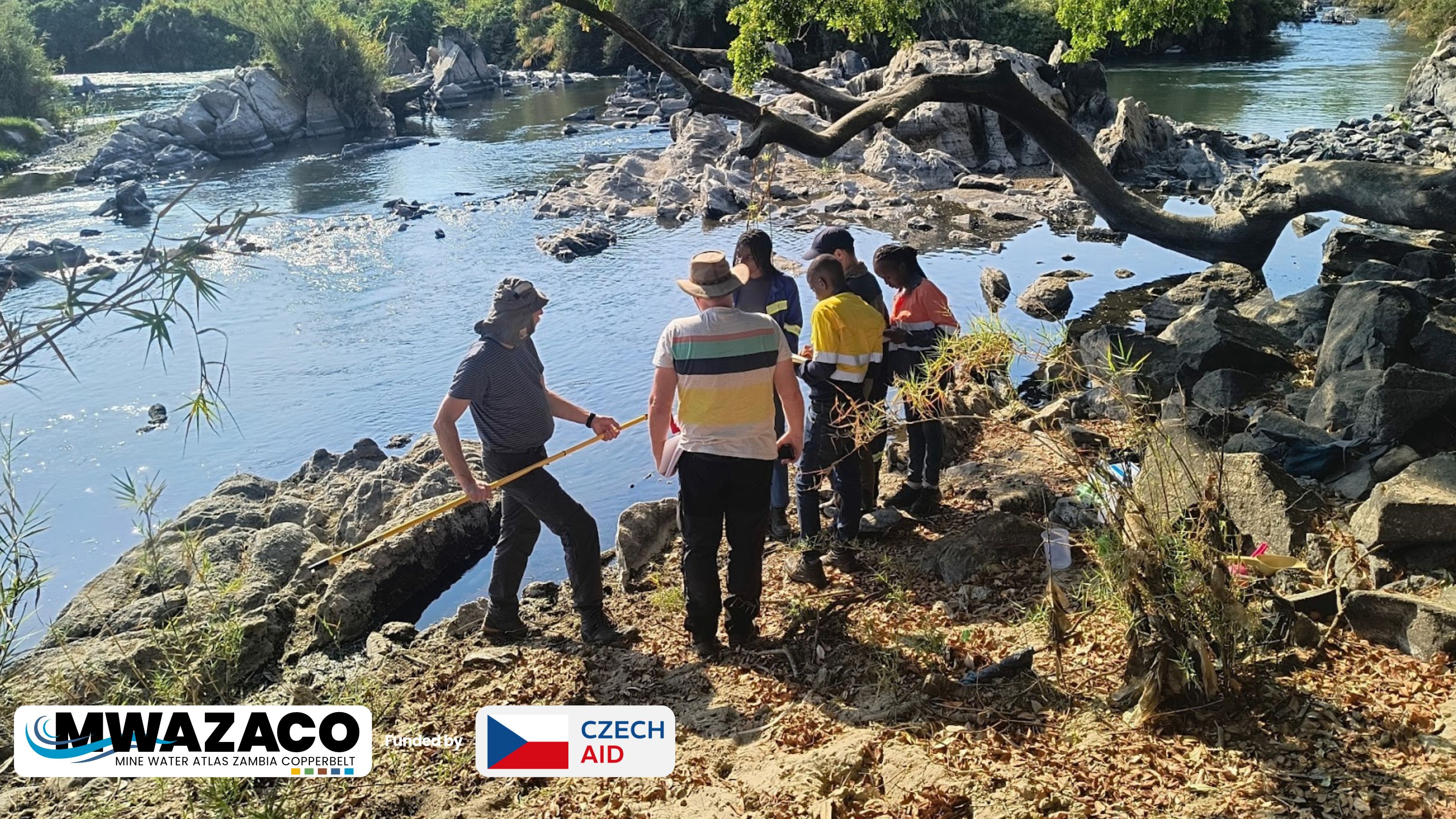
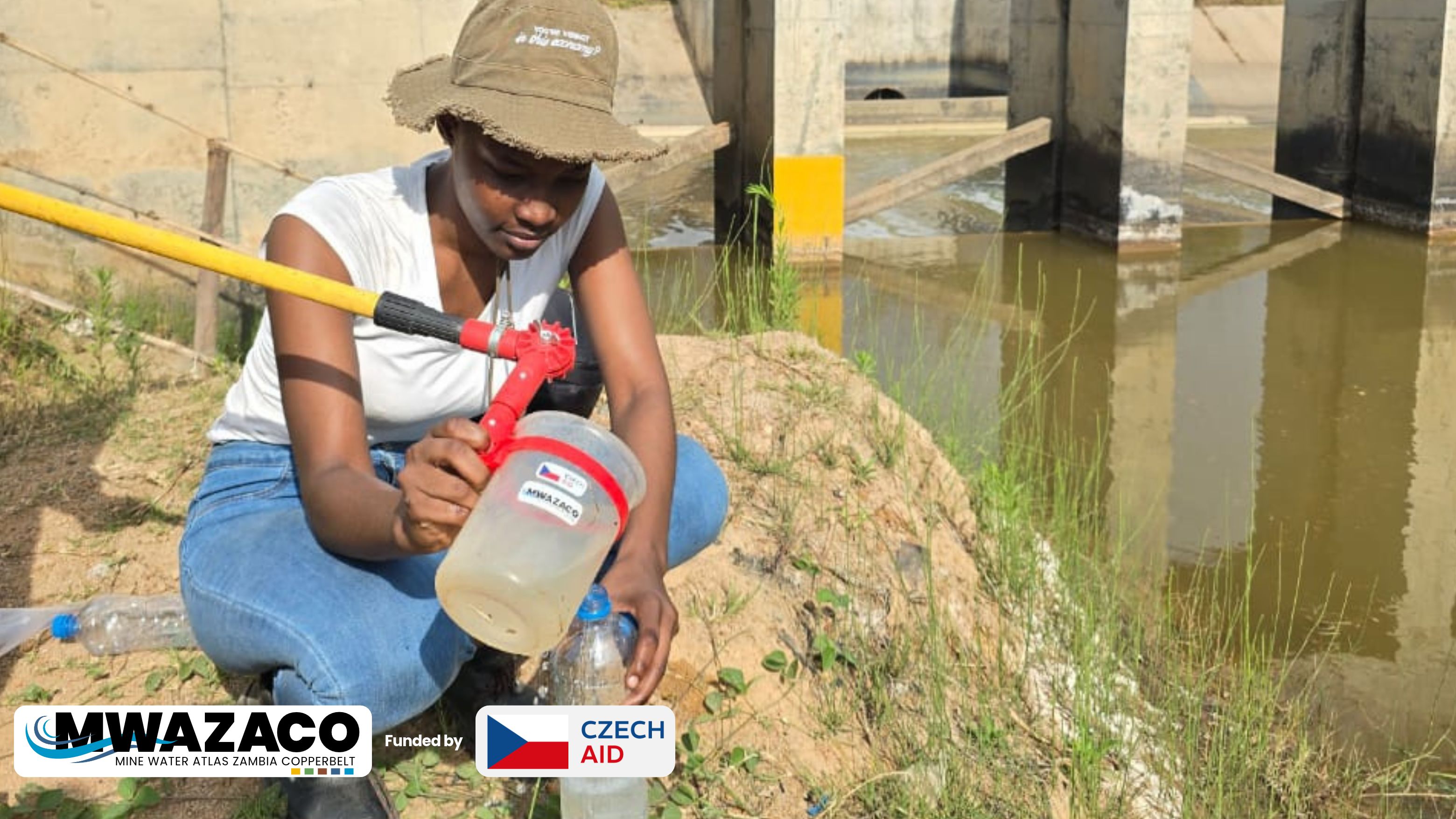
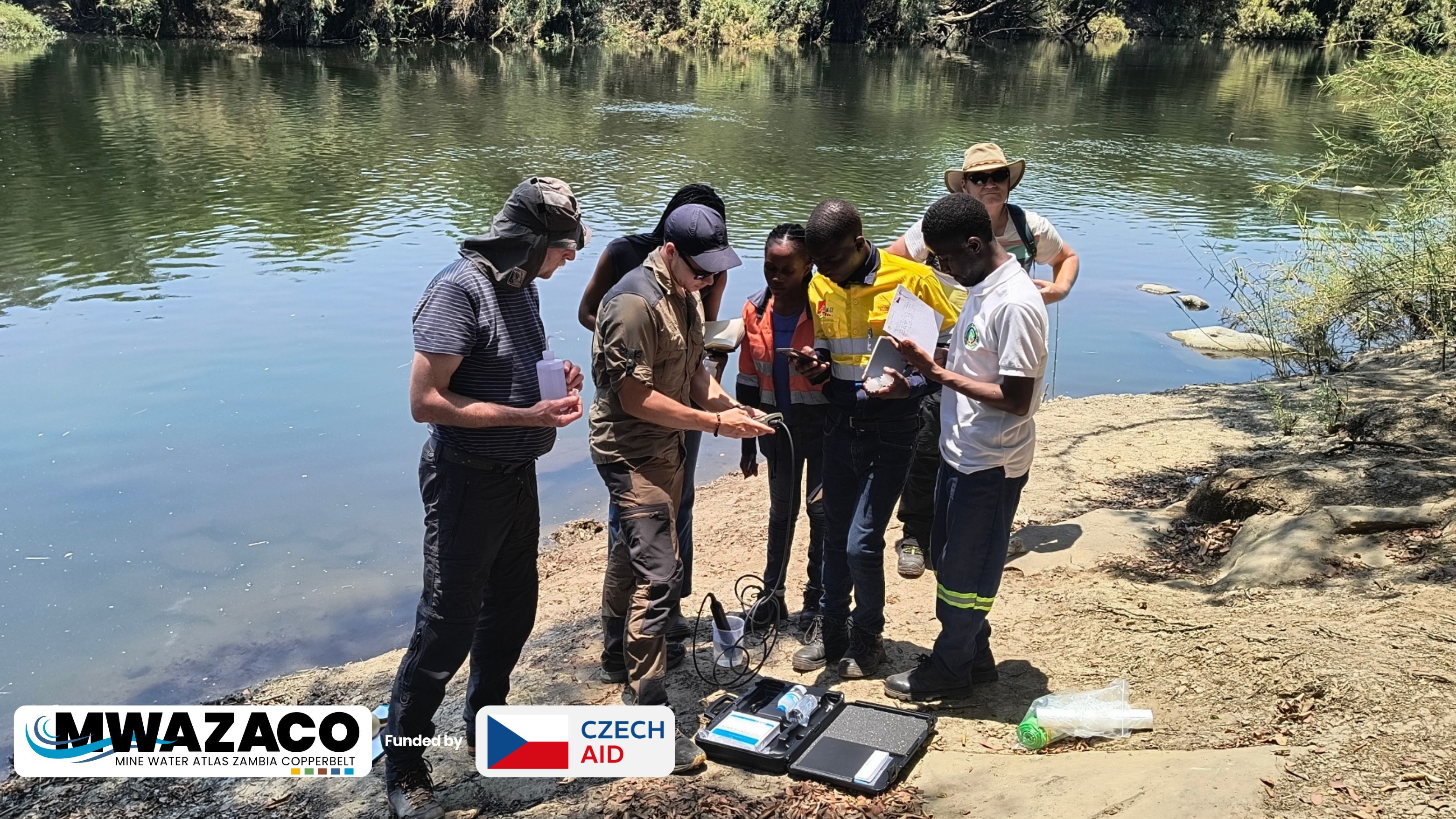
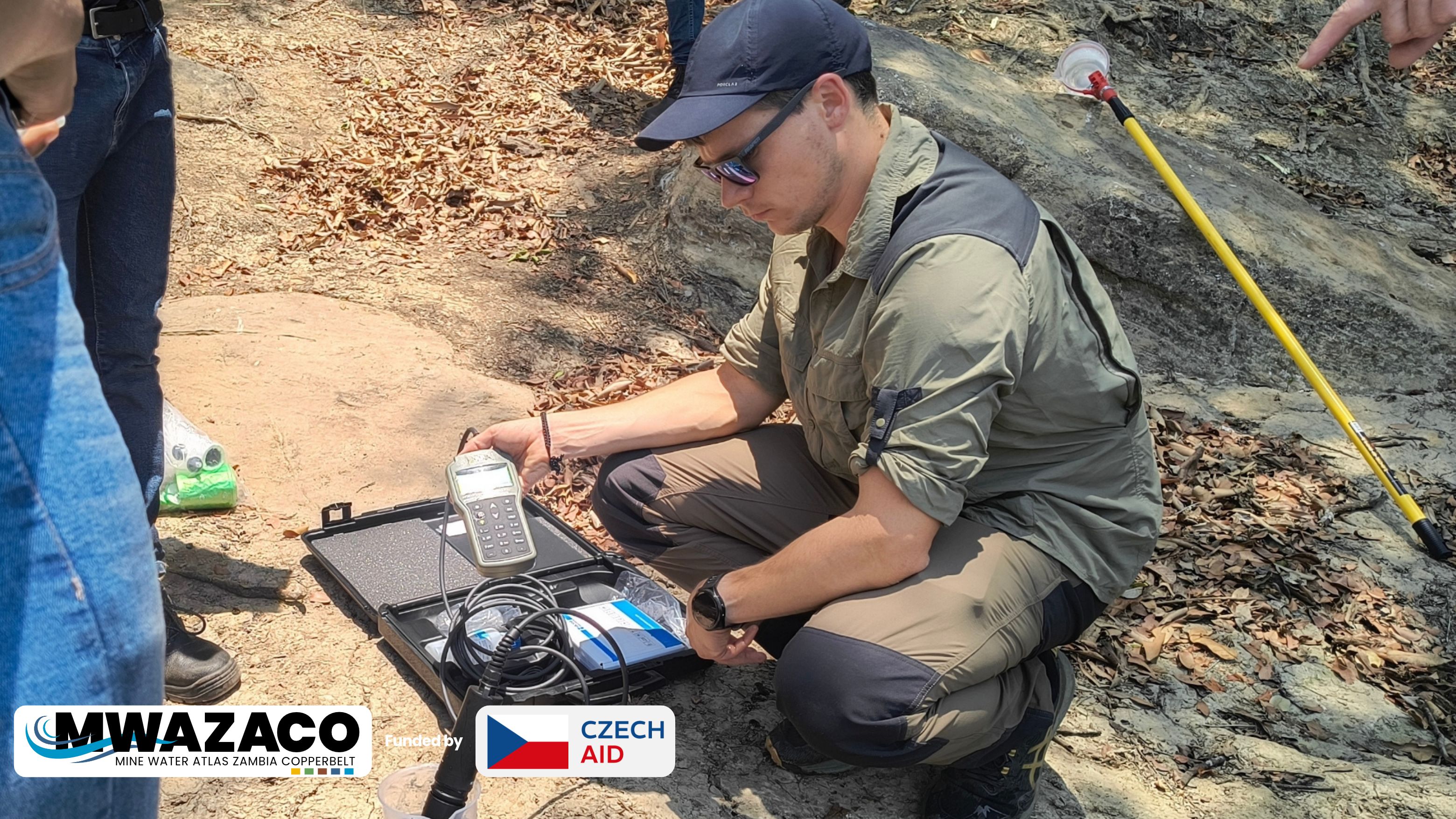
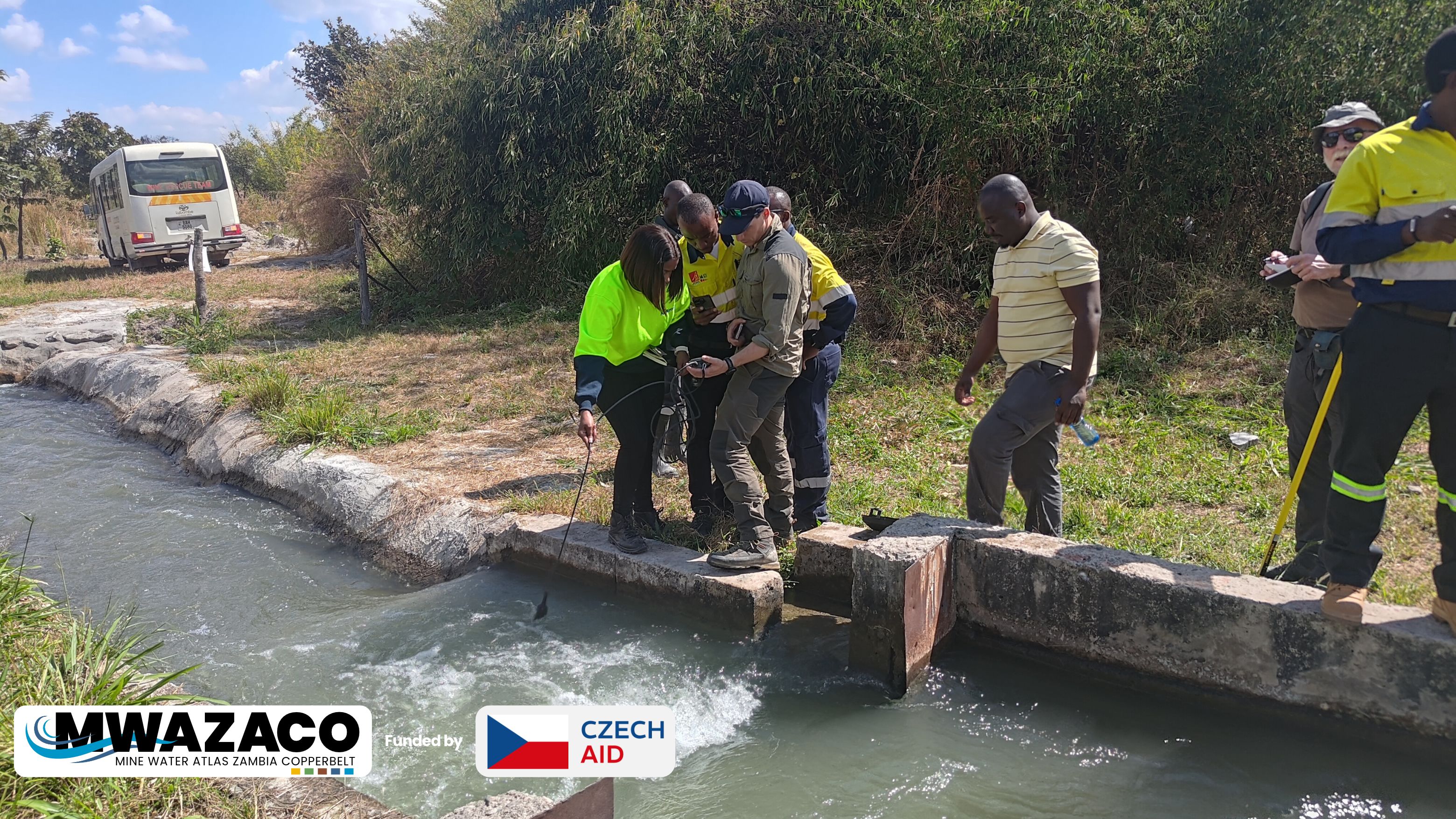
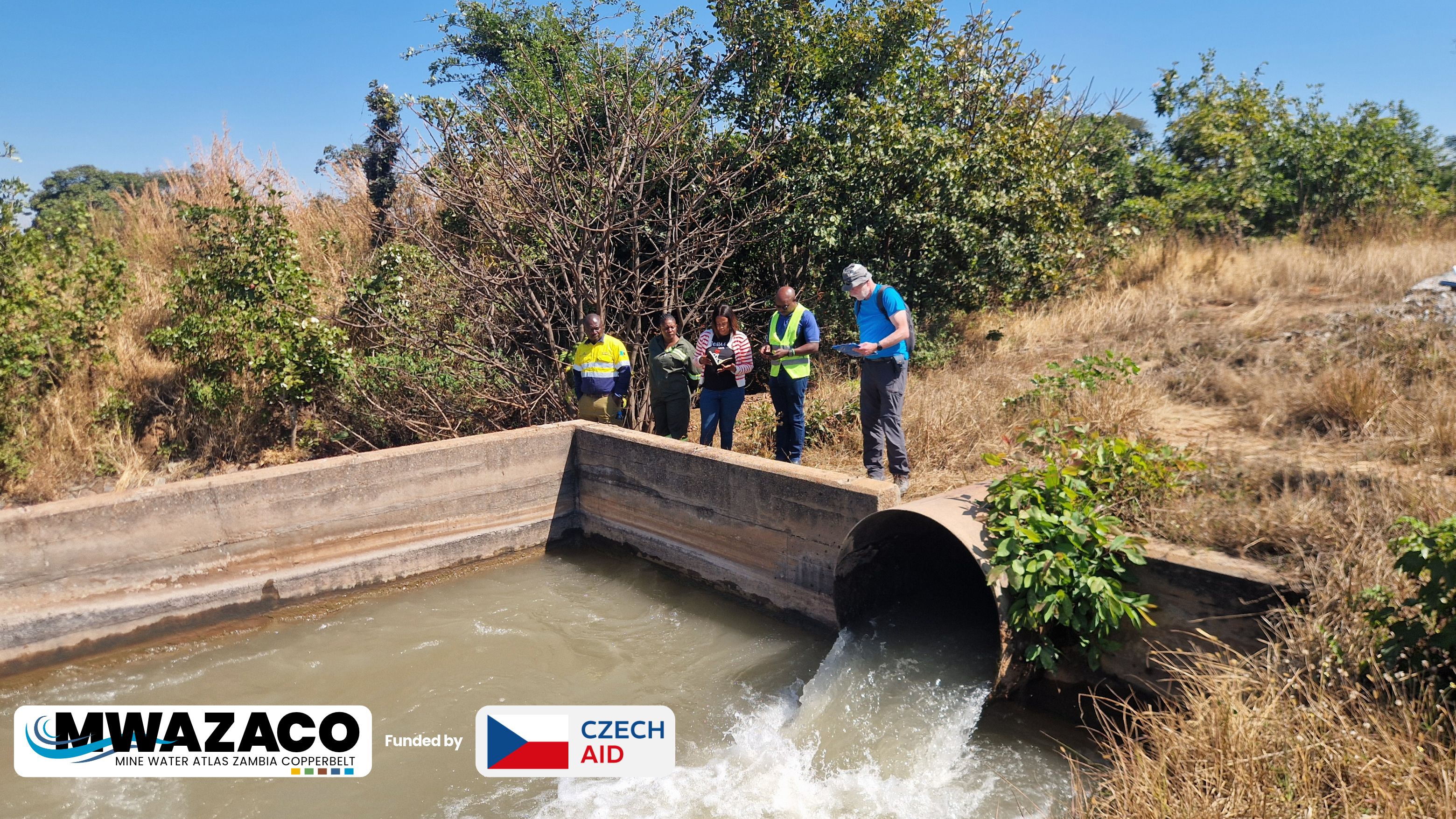
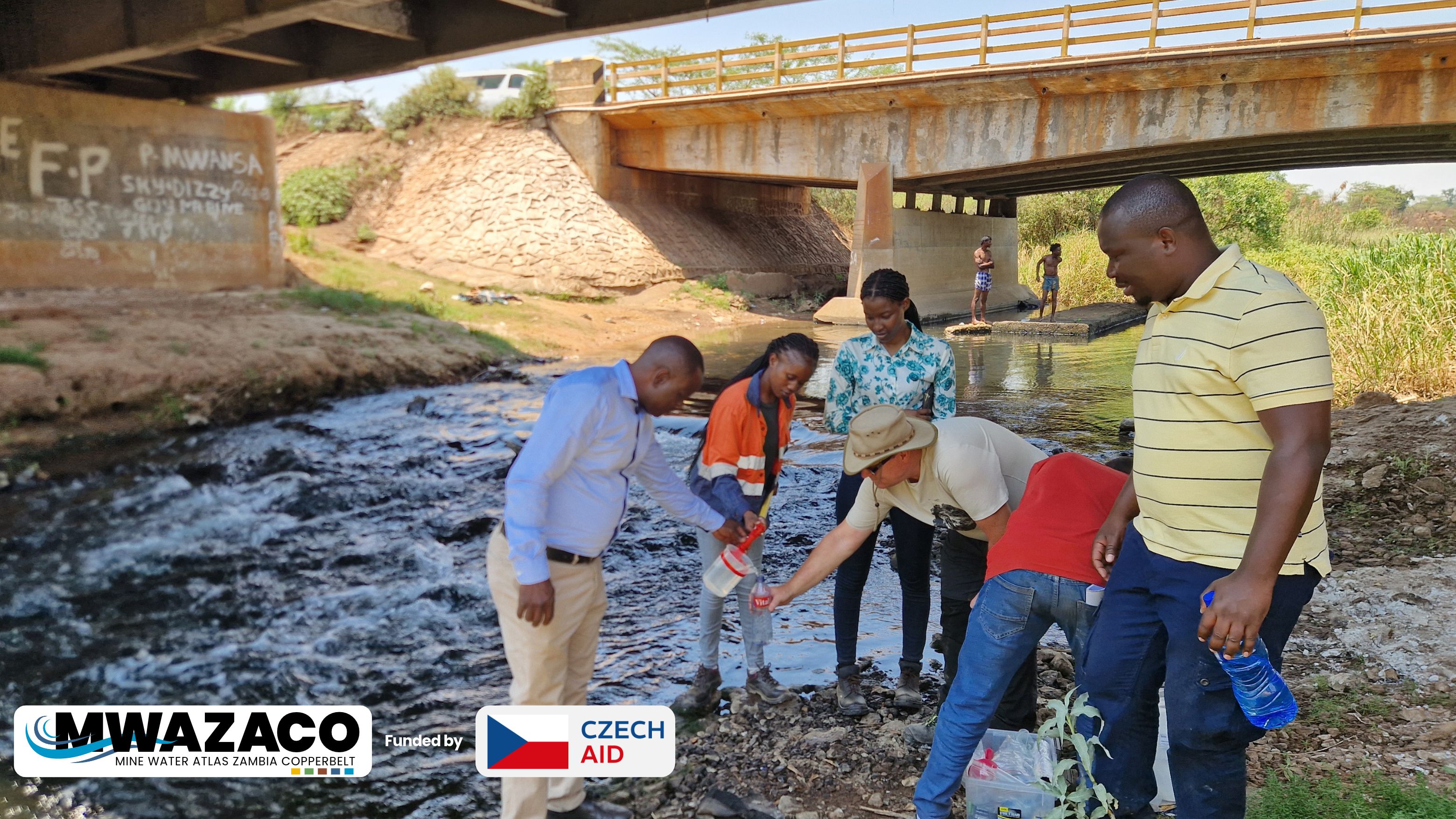
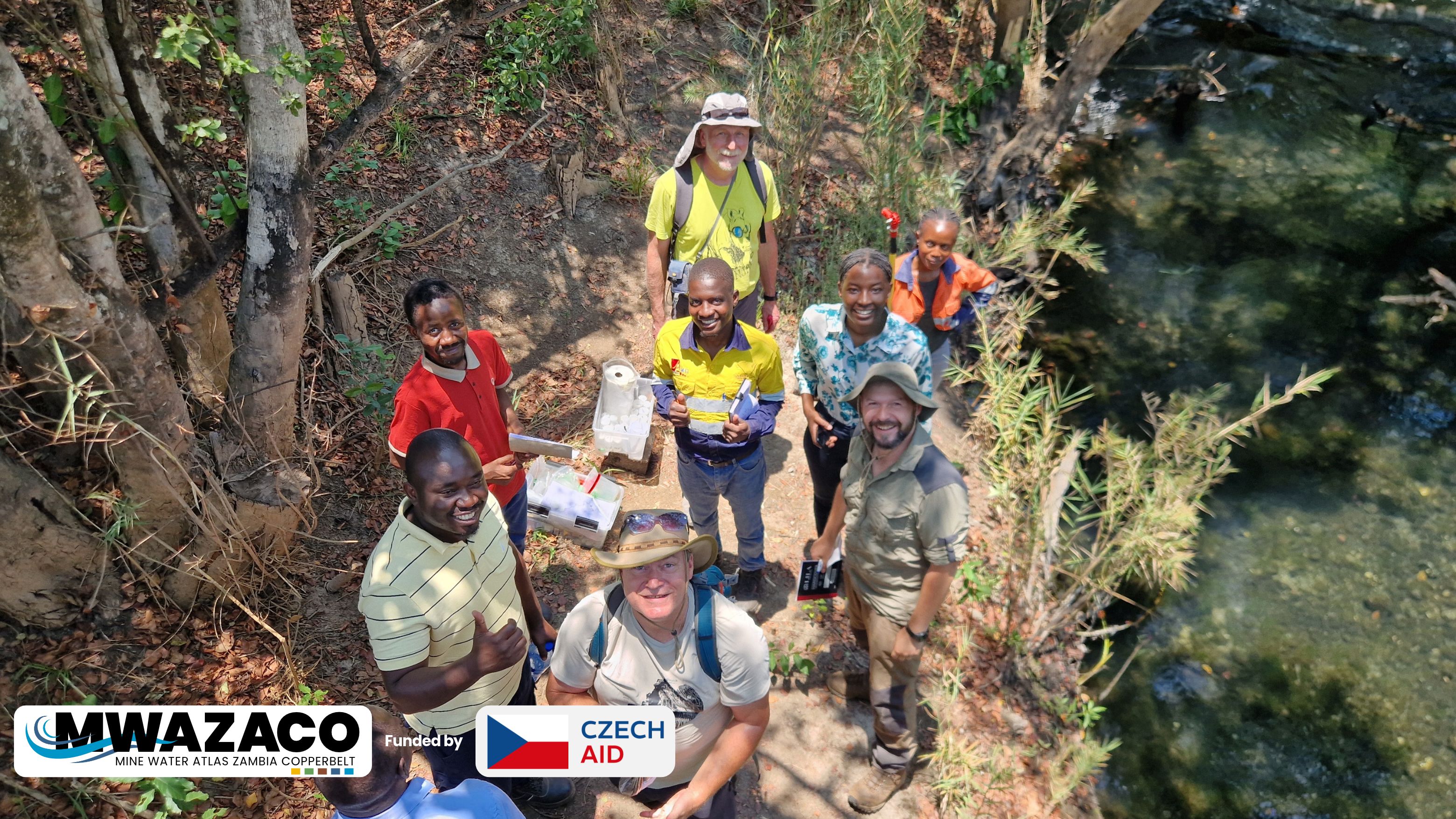
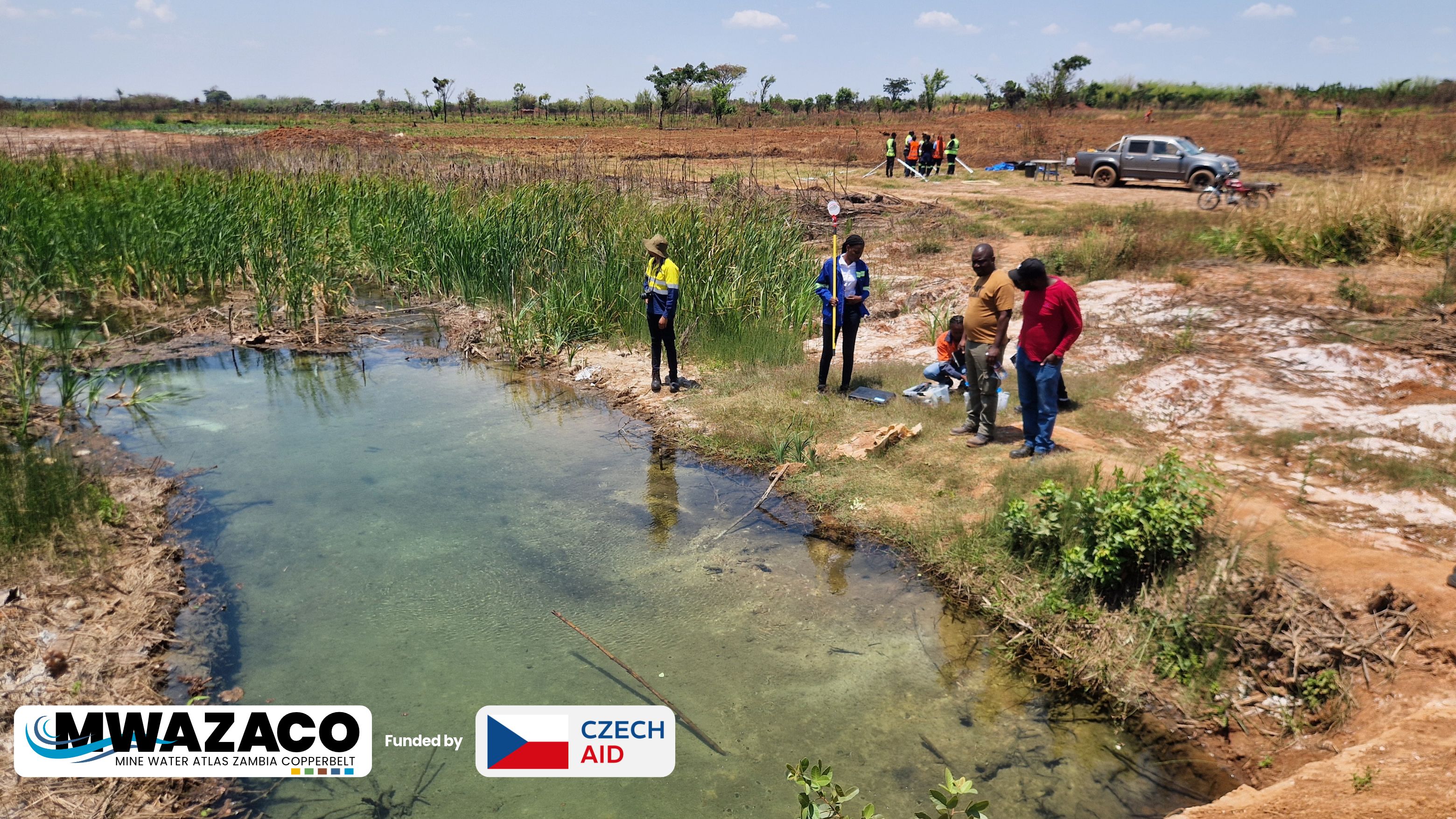
Copper mining in Zambia’s Copperbelt poses a threat to local water resources. A team from the Czech University of Life Sciences Prague’s Faculty of Tropical AgriSciences is helping develop ways to safely treat and reuse mine water.
Zambia’s Copperbelt is one of Africa’s most important mining regions. However, intensive mining for copper and other mineral resources carries environmental risks: contaminated water sources threaten local ecosystems and agriculture, as well as residents’ access to safe drinking water. The BioResources & Technology (BRT) research team at the Faculty of Tropical AgriSciences of the Czech University of Life Sciences Prague (CZU) is also contributing to efforts to address the problem.
Mapping Pollution and Building a Pilot Farm
The team is part of the international Mine Water Atlas of the Zambian Copperbelt (MWAZACO) project, funded by the Czech Development Agency for 2025–2027. One of its key outputs will be the region’s first publicly accessible digital atlas of mine water. The online platform will combine field data, satellite imagery and risk modelling to identify sources of pollution, highlight the most vulnerable sites, and show where treating and reusing water could be worthwhile.
However, the project goes beyond mapping. A pilot mine water treatment facility and an integrated demonstration farm will be established in Zambia. The farm will be used to test the conditions under which treated water can be safely used for irrigation, aquaculture and integrated agricultural systems.
“At the demonstration farm, we will test the conditions under which treated mine water can be safely used for irrigation. The project will also ensure that local residents have access to drinking water,” says Associate Professor Hynek Roubík, Ph.D., Dean of the Faculty of Tropical AgriSciences and Head of the BRT team. He returned from the Copperbelt in mid-November. According to him, the solution is being designed for use in other mining areas as well, and so that local partners can continue operating it after the project ends. The costs of construction, operation and maintenance are therefore being taken into account from the outset.
“The demonstration farm will allow us to test in practice how treated mine water can be safely used for fish farming and integrated agriculture. We want to show how accessible technologies can contribute to sustainable food production and support local communities,t” adds BRT Project Manager Jan Staš, Ph.D.
Knowledge That Will Remain in Zambia
Cooperation with local partners is another important part of the project. Together with Copperbelt University, the team has established a Centre of Excellence to support research, education, data analysis and the exchange of experience in mine water management. Training sessions, workshops and awareness-raising activities for local communities are also planned. The project is being implemented by Future Resources Development (FRDA), in partnership with CZU, companies OPV and HYDRO-PUR, and the Zambian partners Mines Safety Department and Copperbelt University.
MWAZACO is only the pilot phase. In the future, the project aims to establish the Mine Water Atlas of Zambia (MWAZA), covering all major mining regions in the country. “We want Zambian institutions to be able to use the project’s results long after it has ended,” says Michal Žák of FRDA. The public atlas will help them identify where mining poses the greatest threat to water resources and where monitoring and protective measures should be focused.
More information about the project:
Mine Water Atlas of the Zambian Copperbelt – FRDA, MWAZACO Project – BioResources & Technology, CZU