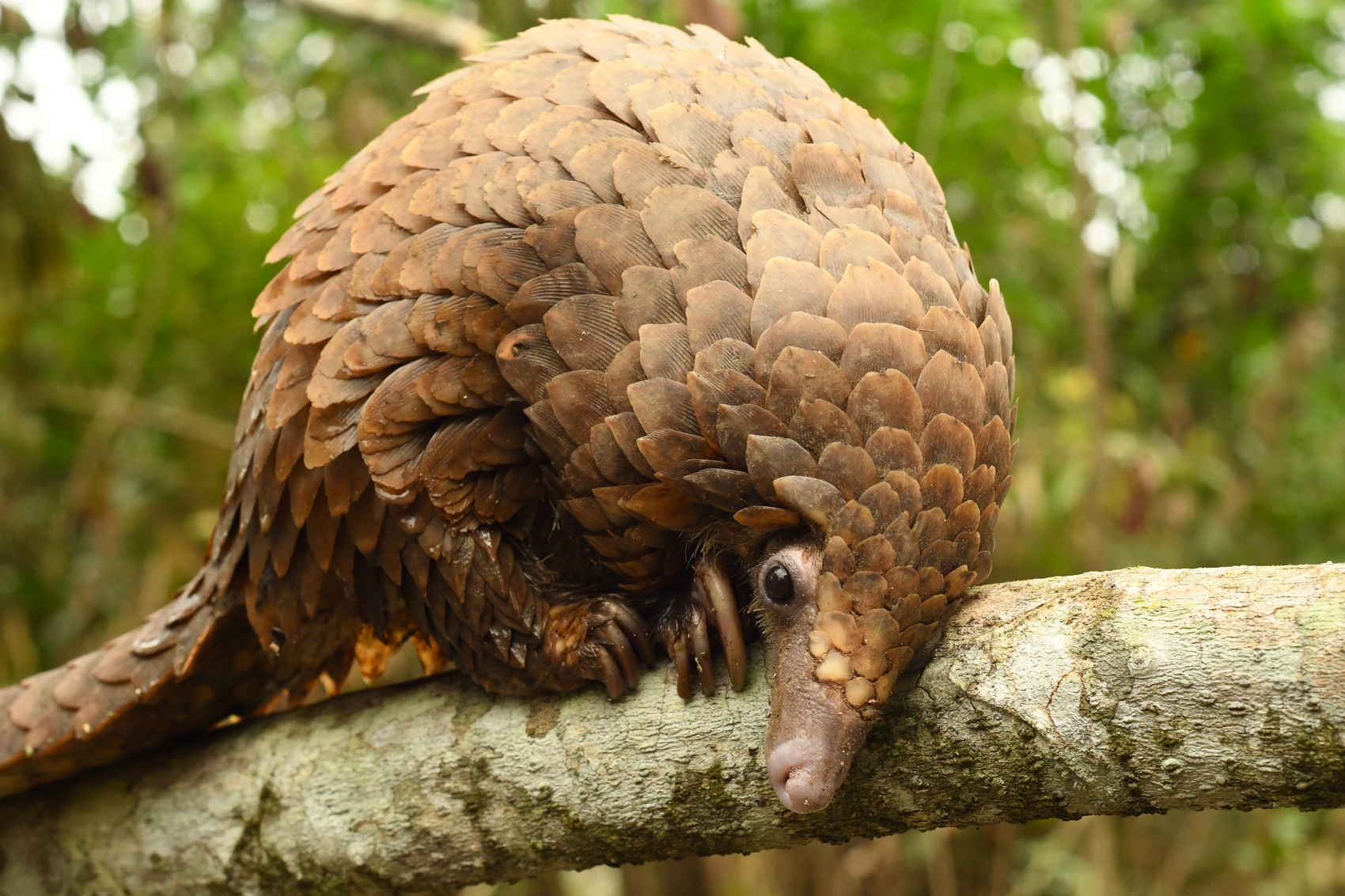
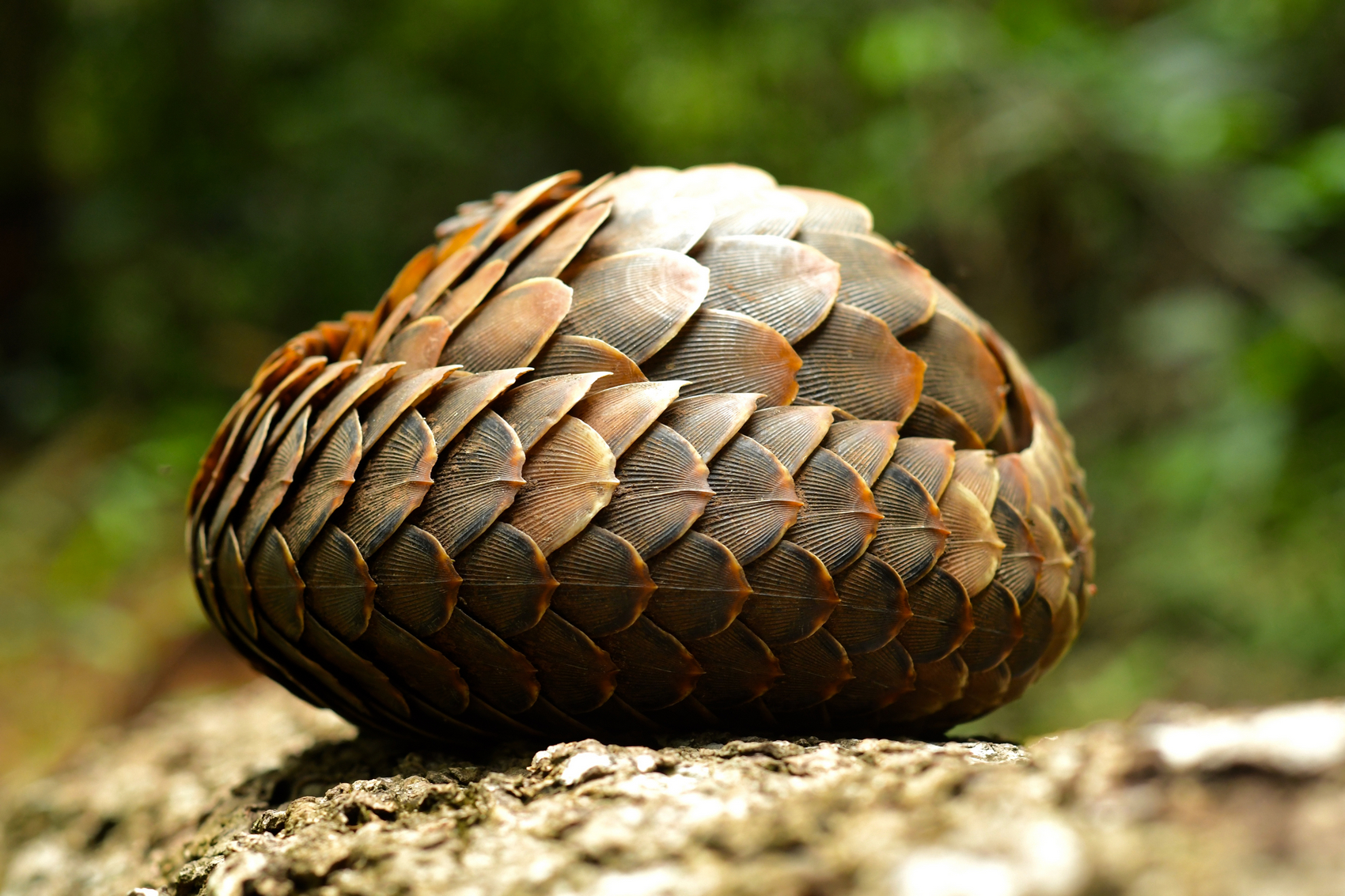
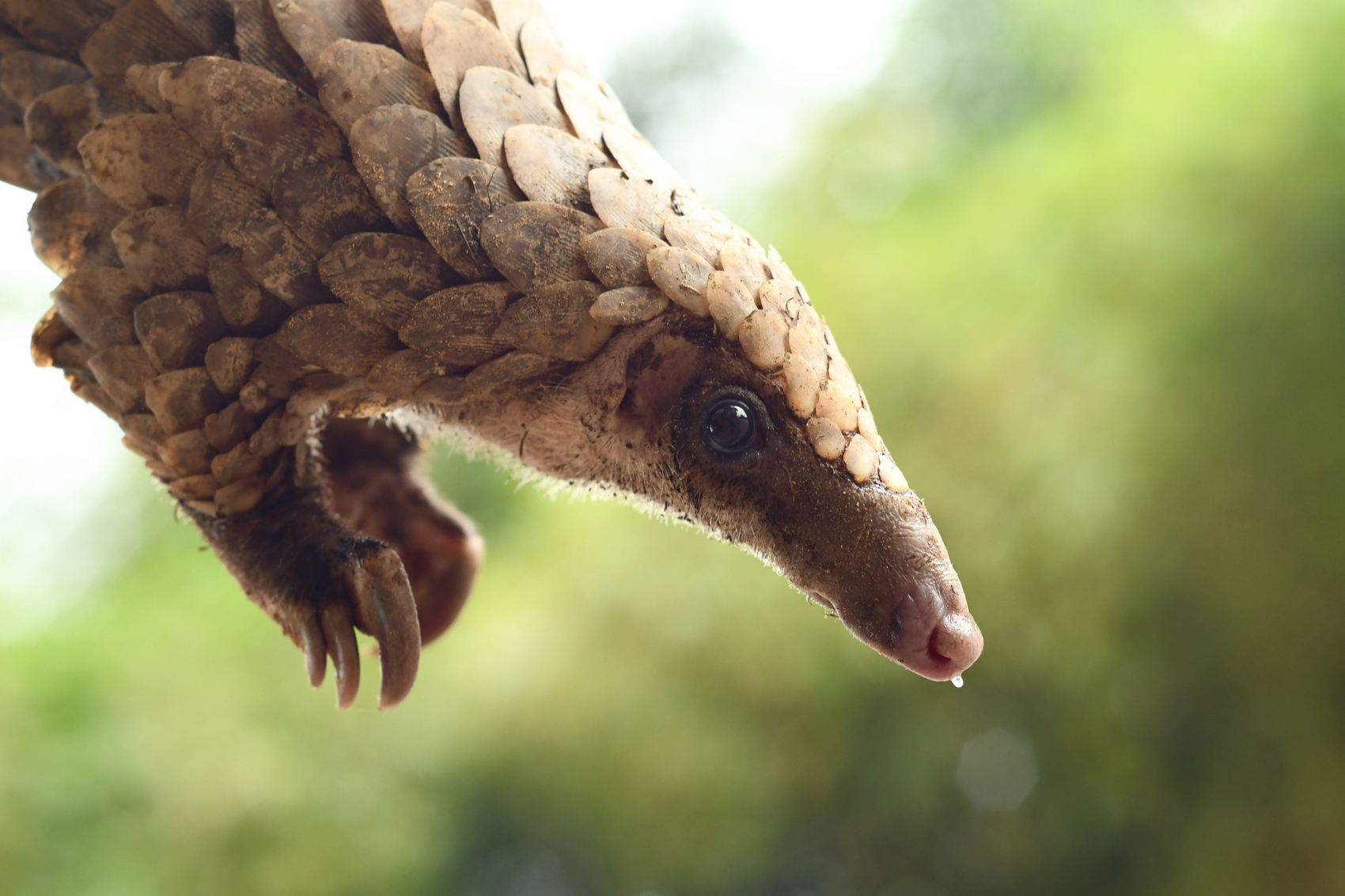
Pangolins are among the most illegally traded mammals in the world. They are hunted primarily for their scales, used in traditional medicine, and for their meat, which is sold as bushmeat. Although all pangolin species are protected and international trade in them is prohibited, illegal trafficking continues on a large scale and represents one of the greatest threats to their survival.
A major step forward in the fight against this trade has now been made by an international study published in the prestigious journal PLOS Biology. The research also involved Barbora Černá Bolfíková, Head of the Department of Animal Science and Food Processing at the Faculty of Tropical AgriSciences of the Czech University of Life Sciences Prague.
The international team of scientists analyzed DNA from more than 700 pangolin samples originating from museum collections, field sites, bushmeat markets, and international seizures of illegally traded material. Unlike conventional genetic methods, which generally allow identification of species or broader population affiliation, the authors used a modern genomic approach known as gene capture—the targeted capture of selected parts of the genome.
This method enables the extraction of high-quality genetic information even from severely degraded samples, such as older museum specimens or confiscated scales. The scientists were therefore able to create the most detailed genomic reference database of pangolins to date, allowing DNA from confiscated samples to be compared with the genetic profiles of individuals of known geographical origin.
As a result, it is now possible to identify the probable region from which trafficked material originated—in some cases with an accuracy of tens of kilometers and, exceptionally, even to within a few kilometers. Such information is a valuable tool for conservationists and authorities involved in combating the illegal wildlife trade.
The study also showed that the domestic bushmeat trade and the international trade in scales may not represent two separate systems. On the contrary, they may rely on the same source populations, meaning that poaching pressure on some pangolin populations is probably even greater than previously assumed. The authors identified major hotspots of illegal pangolin harvesting, including south-western Cameroon, Myanmar, and other parts of Africa and Asia.
The findings represent not only a major scientific advance in the field of population genomics but, above all, a practical forensic tool that can help map illegal trade, uncover trafficking routes, and improve the protection of endangered species. A similar approach could also be applied in the future to other animals threatened by illegal trade. Its wider use will require further expansion of genetic reference databases, the standardization of sampling methods, and closer cooperation between research institutions, conservation organizations, and enforcement authorities.
The publication has attracted considerable international attention, and the study’s findings have been reported by several international media outlets focusing on science and nature conservation. The research therefore confirms that modern genomic methods can make a significant contribution not only to understanding the evolution and genetic diversity of endangered species, but also to their practical protection.
Barbora Černá Bofíková
Publication: PLOS Biology (2026): “Resolving the Geographic Origins of Trafficked Pangolins Using Target Capture Genomics.”