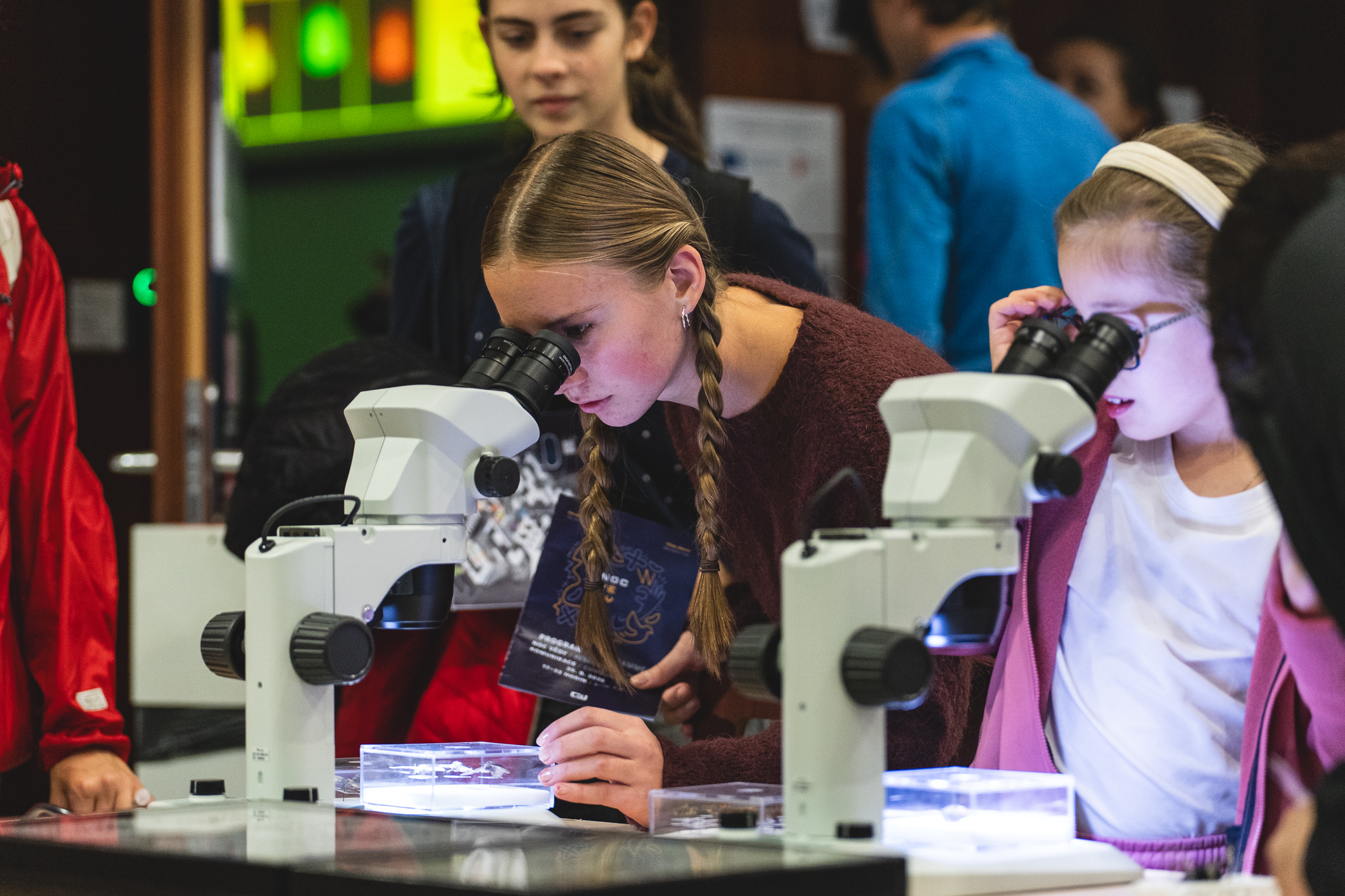
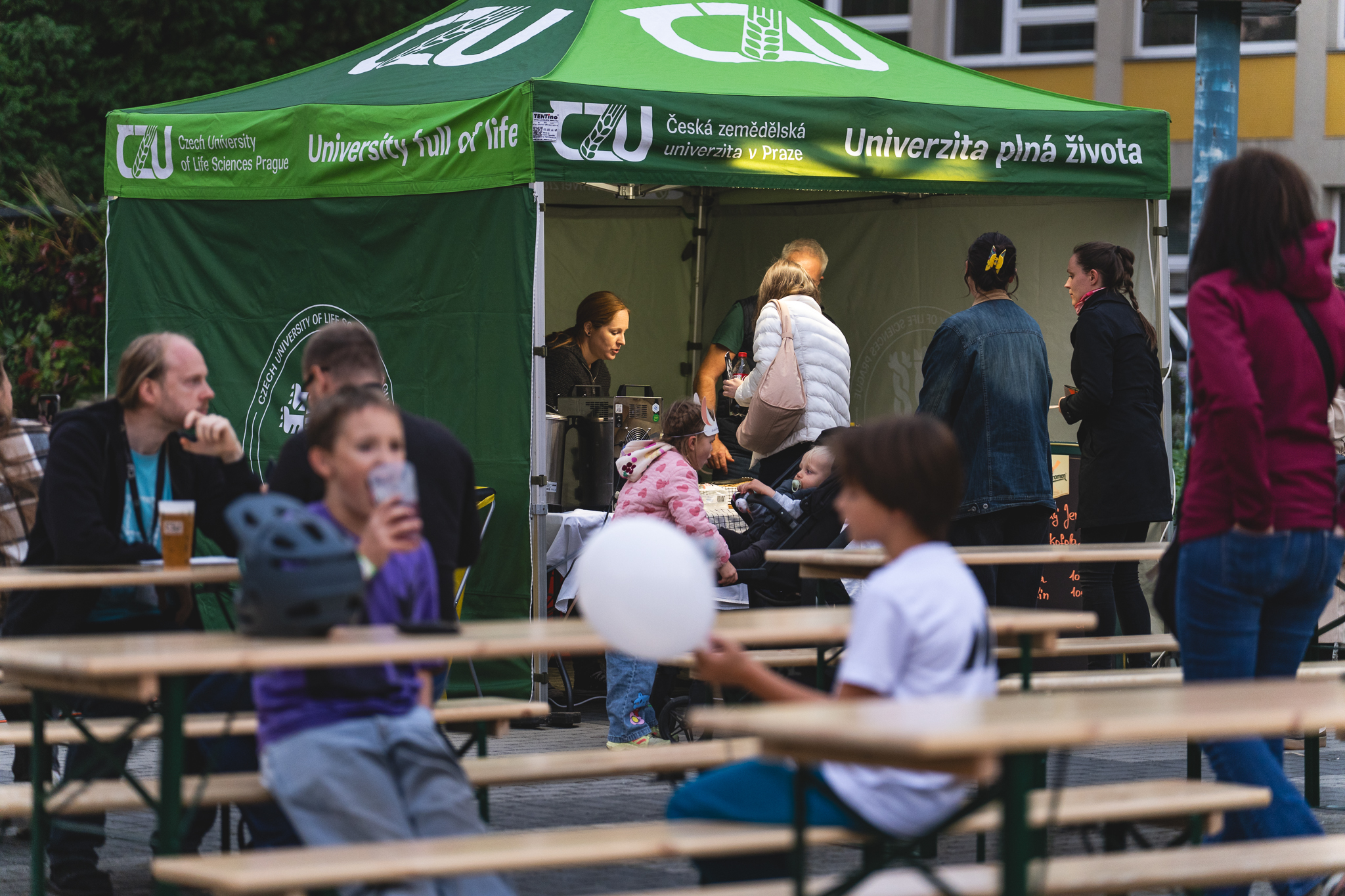
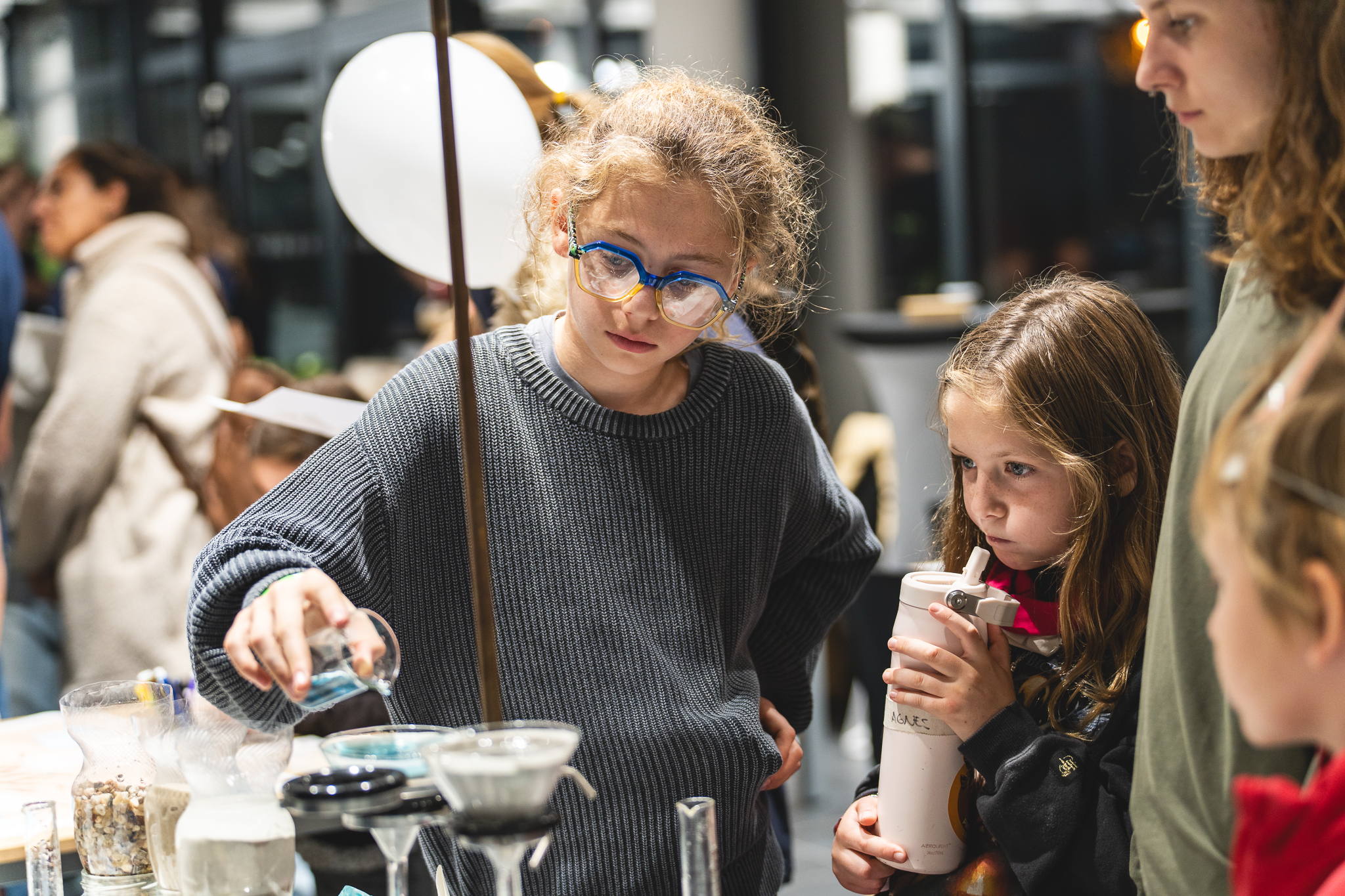
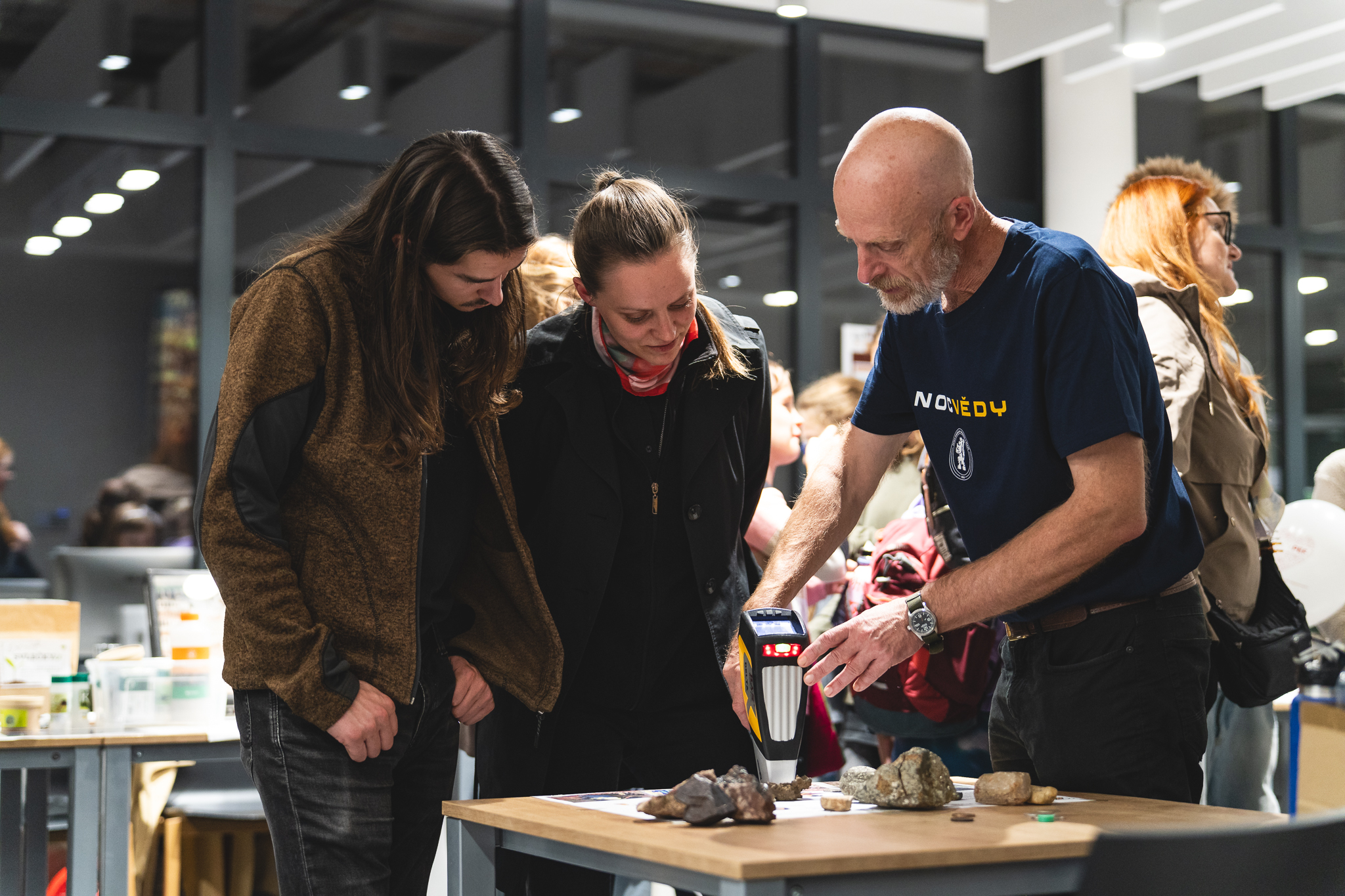
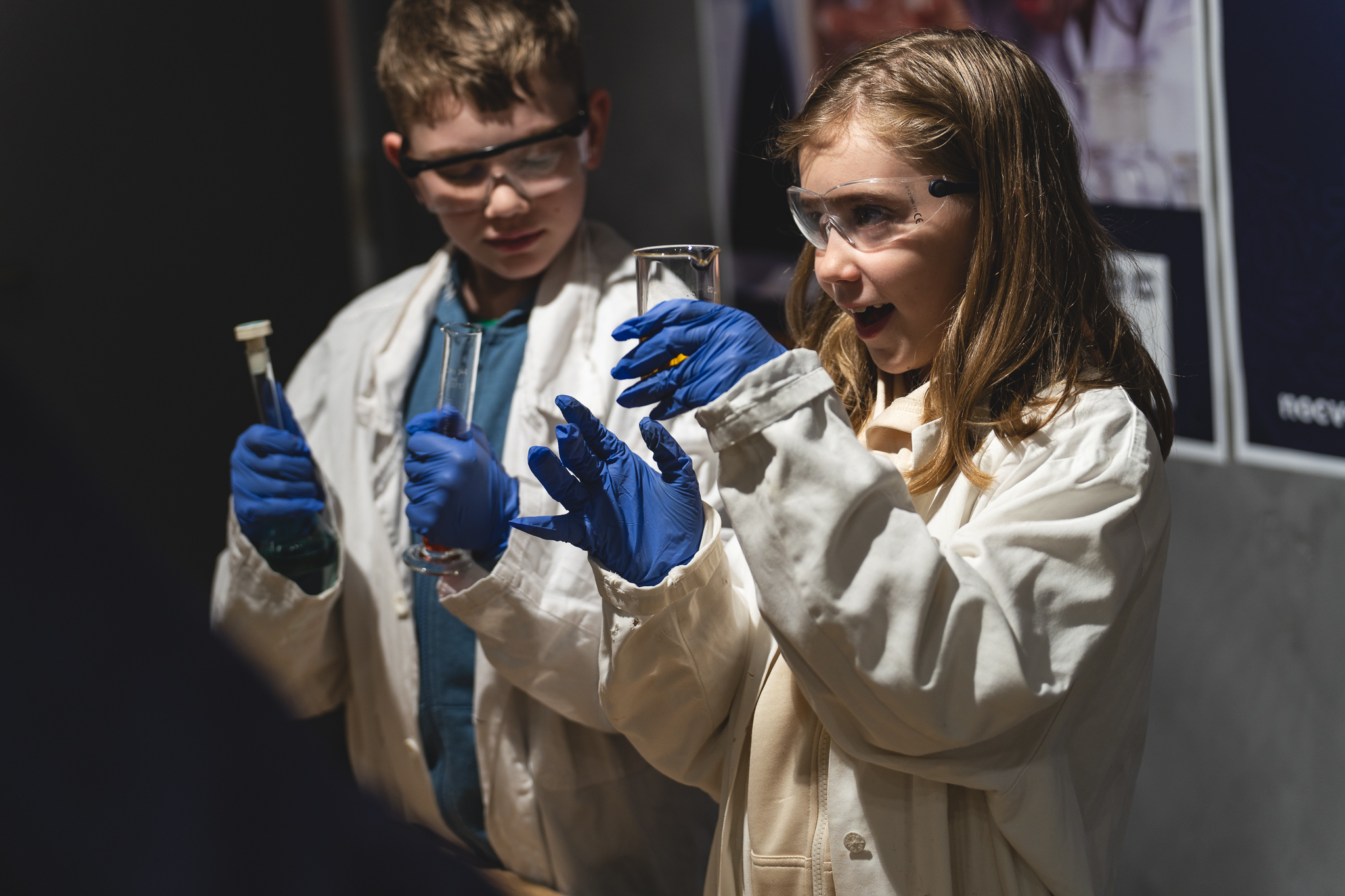
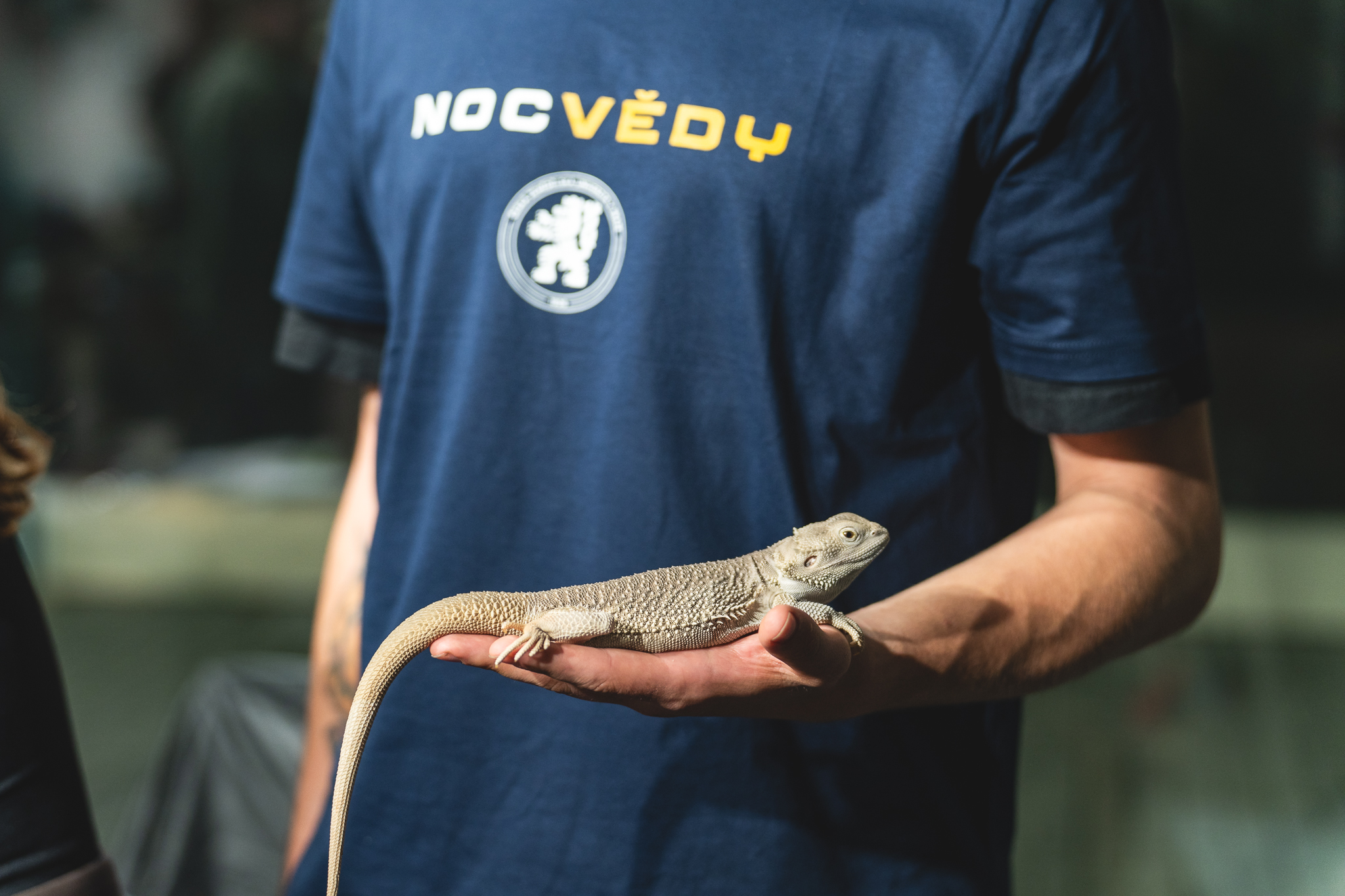
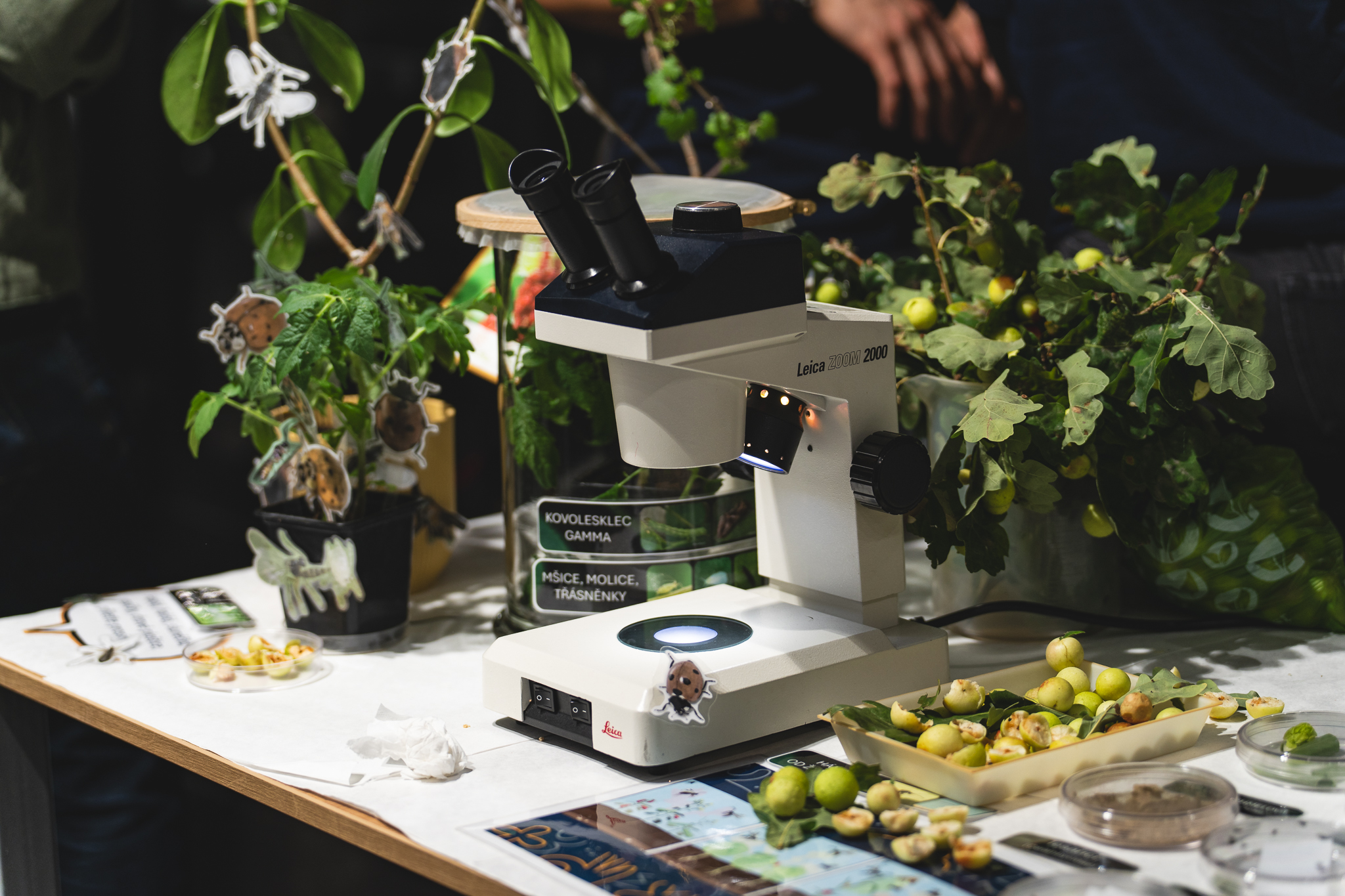
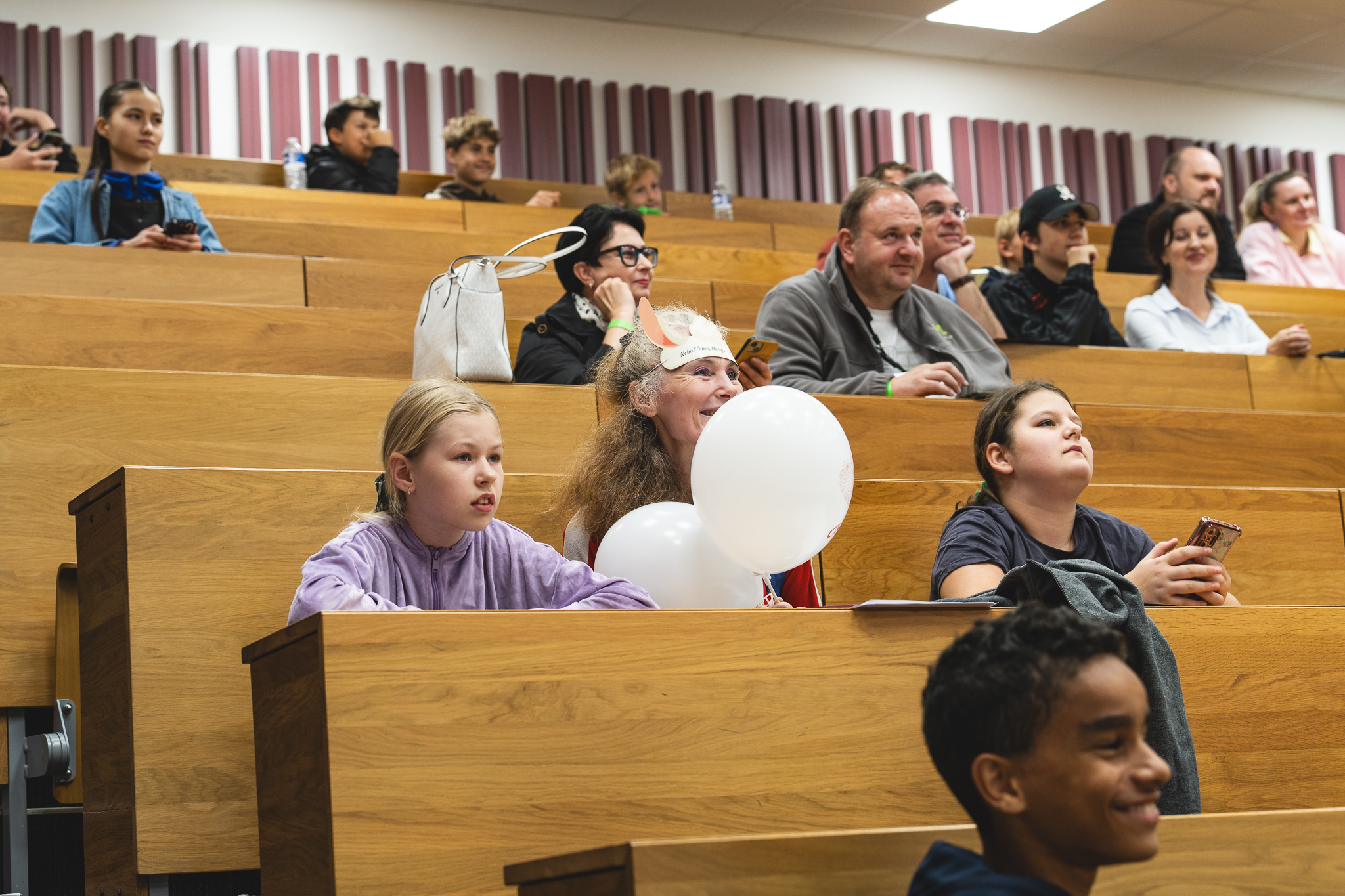
On Friday, 25 September 2026, the campus of the Czech University of Life Sciences Prague welcomed around 900 curious visitors of all generations. The central theme of this year’s Science Night was COMMUNICATION, and more than 40 stations across the University’s six faculties demonstrated that humans are far from the only ones exchanging information. Plants, animals, technologies and entire ecosystems also communicate in their own ways. Science is the language through which the universe speaks to us, and Science Night is an opportunity to try to understand it.
Despite the name change, the main mission of Science Night remains the same: to bring science closer to the general public through experiments, practical demonstrations, games, and personal encounters with scientists. Between 5 p.m. and 10 p.m., there were more than enough opportunities to do just that across the CZU campus. The University transformed into a single large scientific laboratory, with each of its six faculties offering its own perspective on how information is transmitted in nature, technology, and everyday life.
“We are delighted that families with children made up a large proportion of the nearly 900 visitors to this year’s Science Night. A total of 238 children also managed to explore the entire campus, collect stamps at all six faculties and receive a reward for completing our campus game. Connecting the programmes of the individual faculties and allowing visitors to discover the whole campus has proven very successful for us over the years,” says Ondřej Fátor, Head of the Marketing Department, reflecting on the event. He adds: “The late-summer weather created a pleasant atmosphere, allowing visitors to fully enjoy not only the programme inside the buildings but also the entire university campus. I want to thank all our colleagues from the faculties and the other organisers who helped prepare Science Night at CZU.”
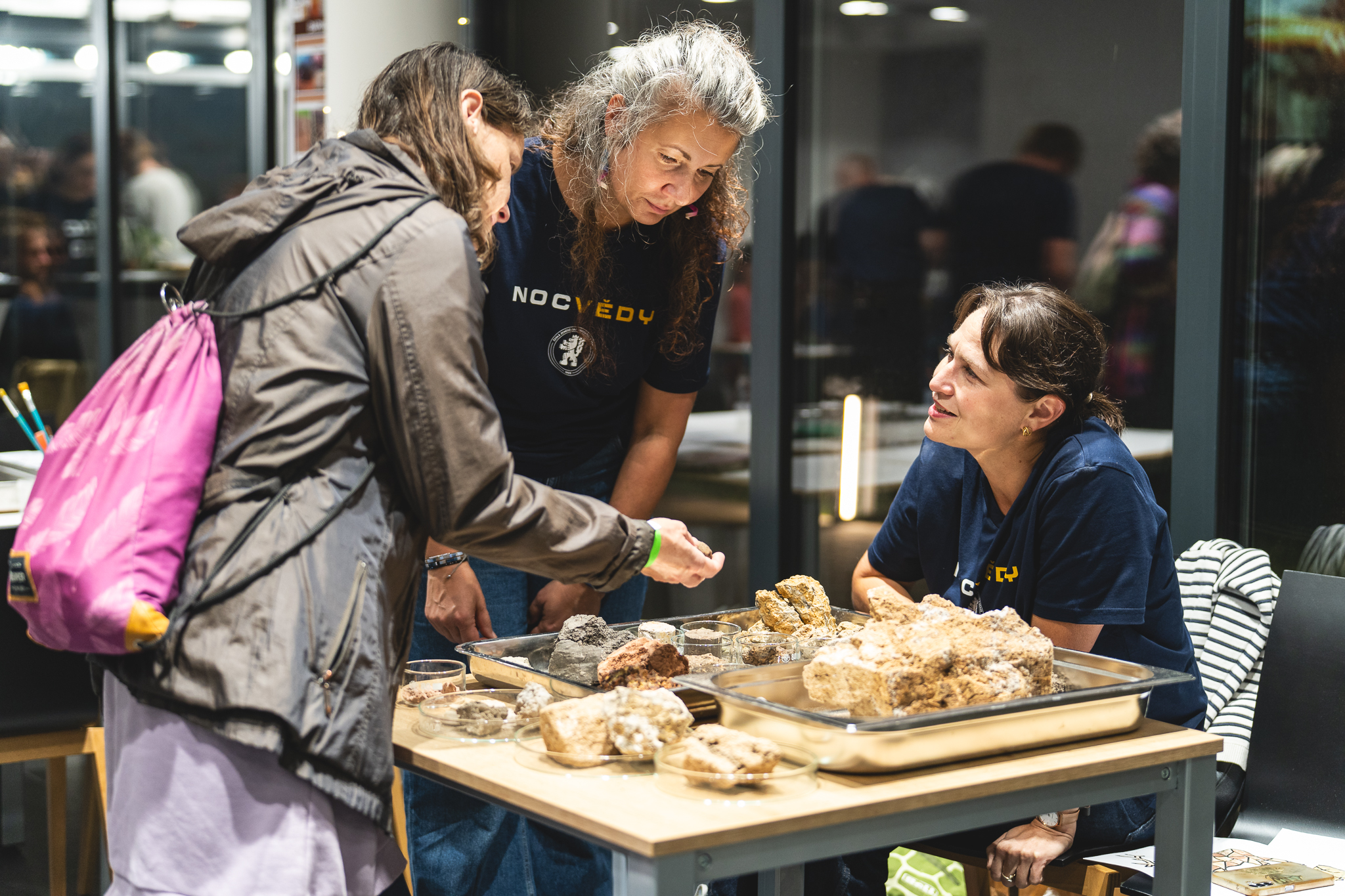
So, what did the CZU faculties offer visitors in their scientific workshops this year? At the Faculty of Forestry and Wood Sciences, visitors learned, for example, how telemetry can be used to monitor wild animals, how insects communicate through pheromones, and how thermal cameras and sensors can help detect stress in trees. The programme also included a tour of Lesovna, a modern timber building combining forestry, architecture and sustainable technologies.
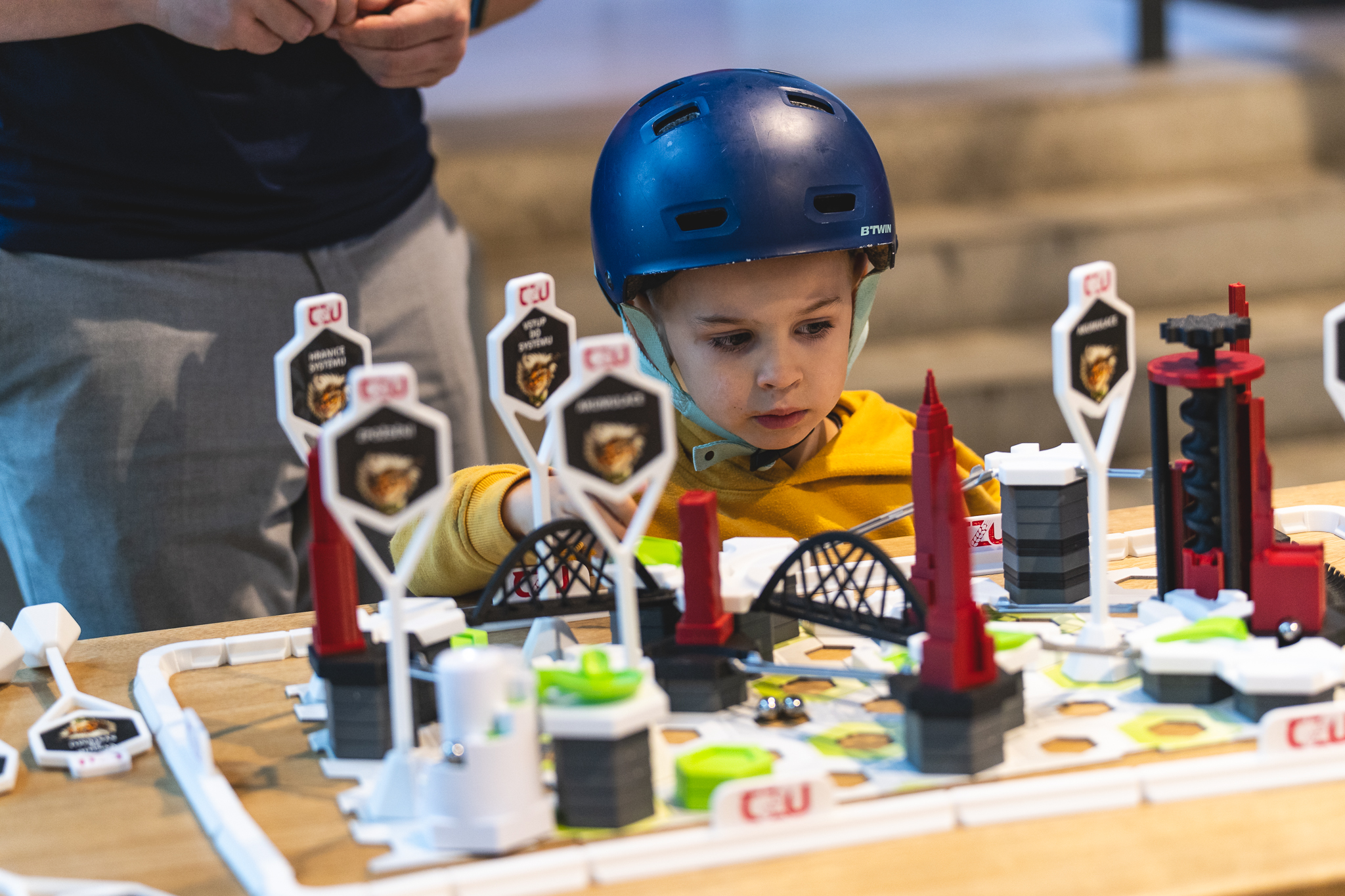
The Faculty of Economics and Management brought the main theme into the world of digital technologies. Through games, visitors explored message transmission in noisy environments, Morse code decoding and the principles behind interconnected systems. The programme also featured a pub quiz, a photo booth and activities for children.
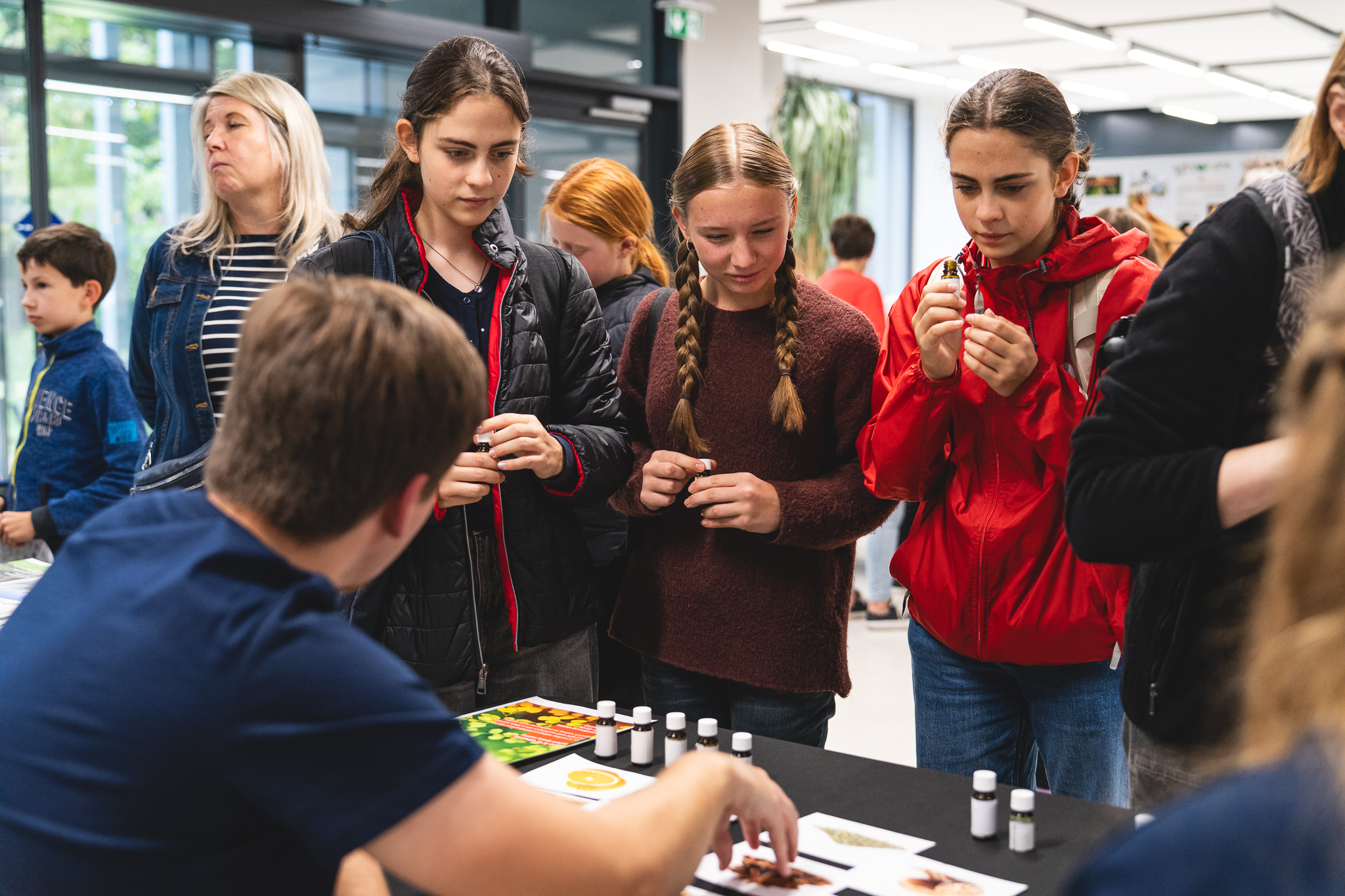
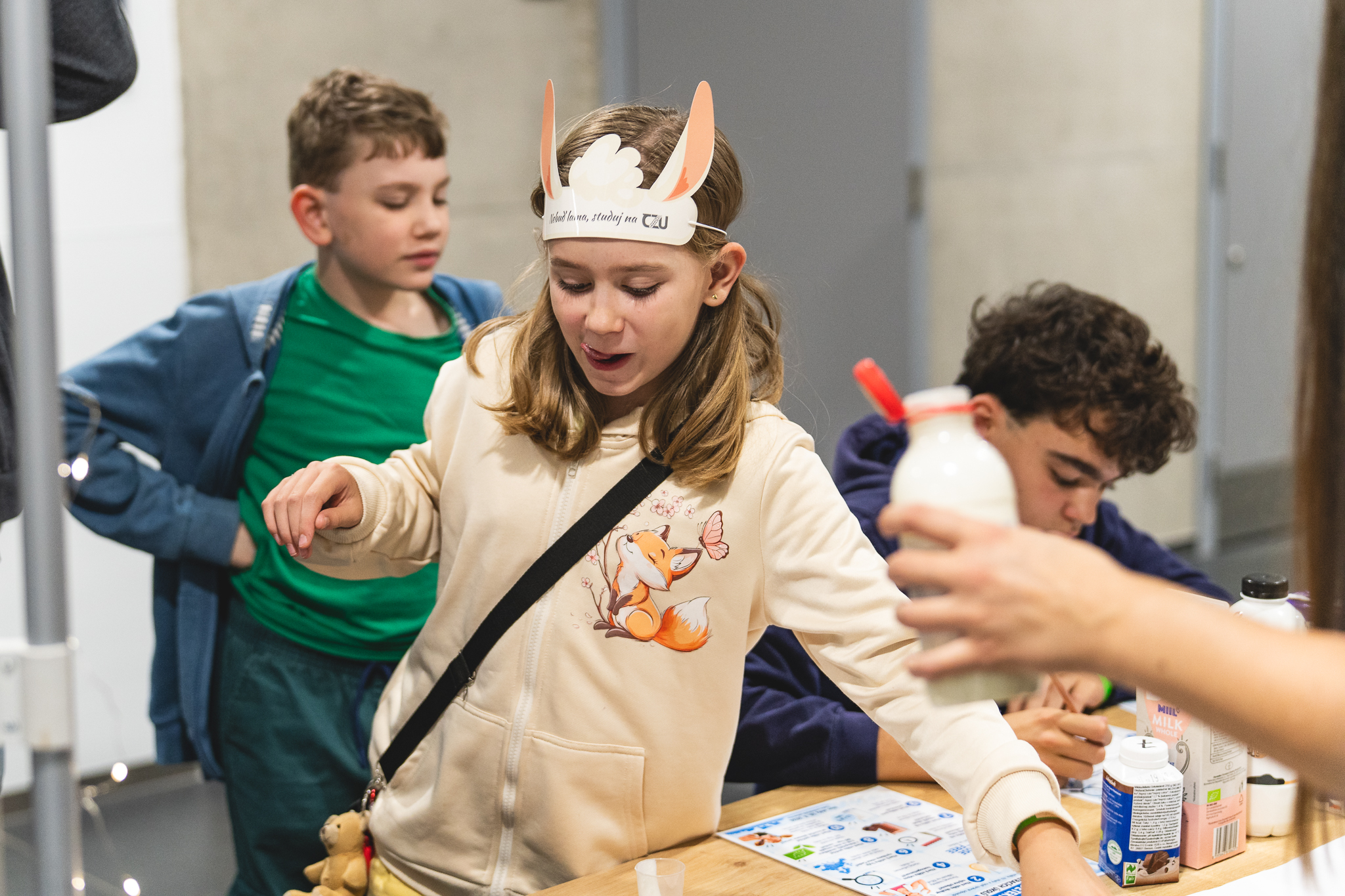
Flavours, aromas and the human senses took centre stage in the Food Pavilion of the Faculty of Agrobiology, Food and Natural Resources. Visitors could discover how sensory perceptions of food are connected to brain activity, how to interpret information on food packaging correctly, and what body composition analysis can reveal about a person. They could also taste products prepared directly in the pavilion, learn about edible insects and try sensory evaluation of food.
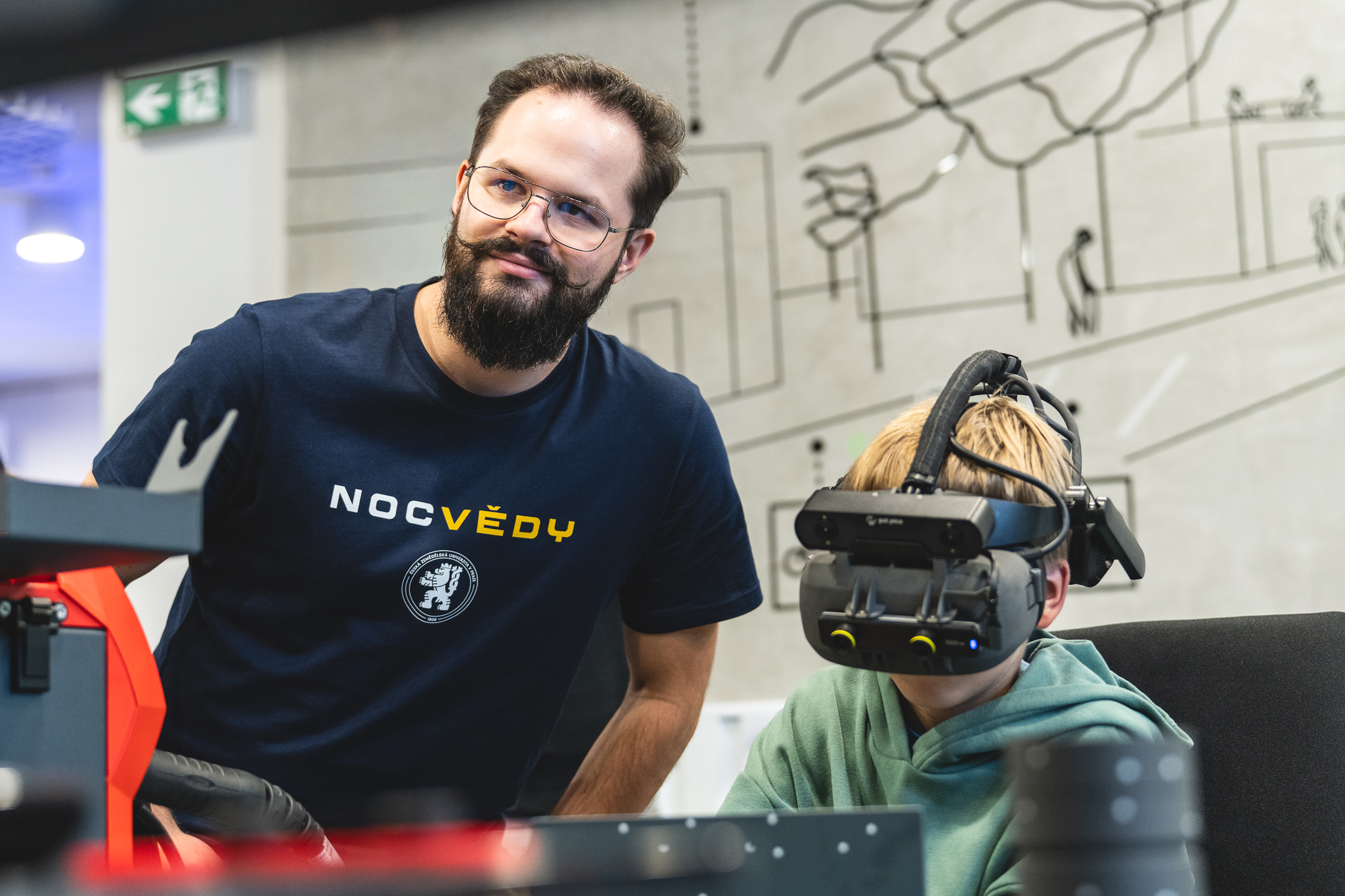
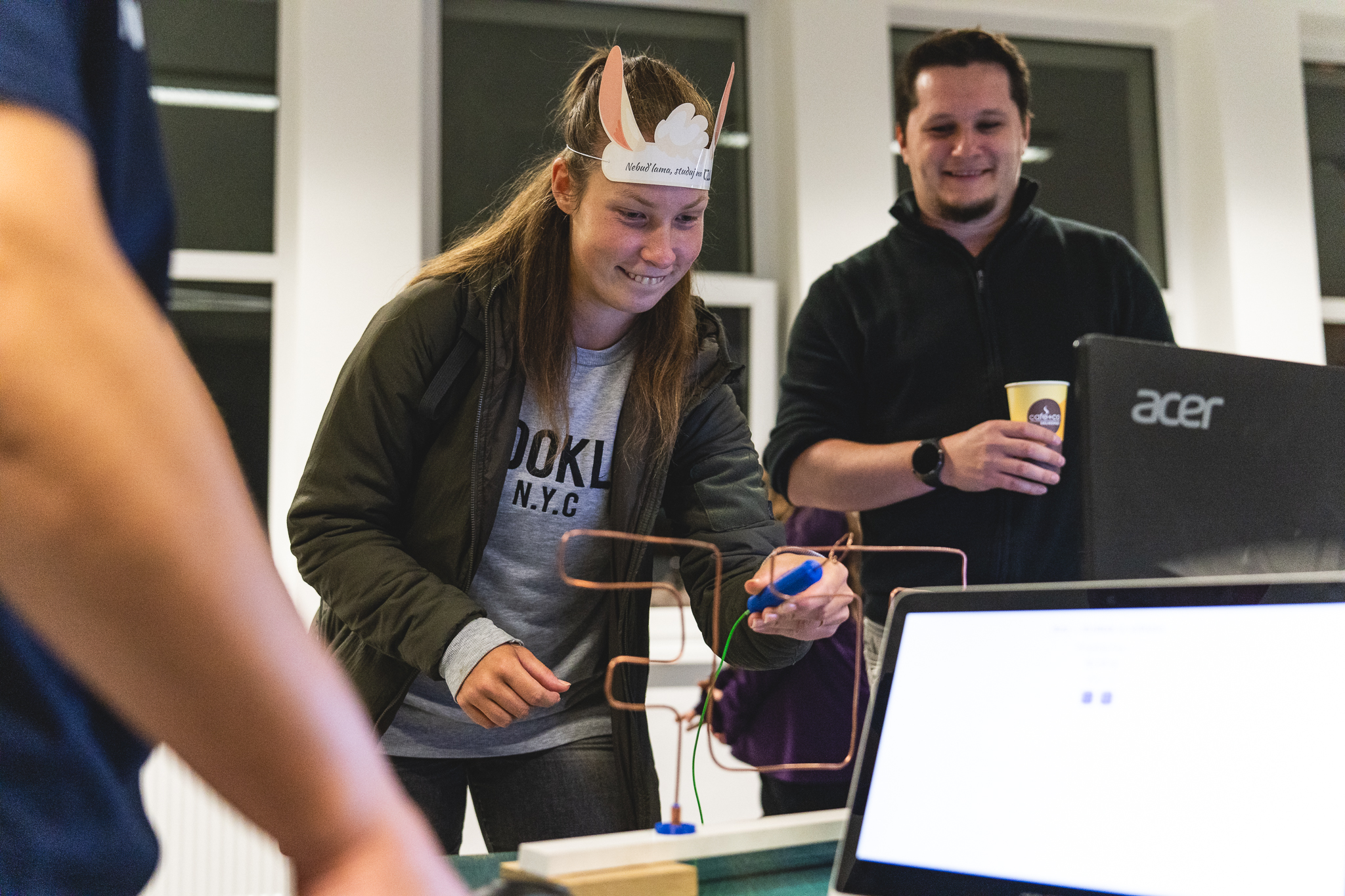
The Faculty of Engineering demonstrated how electronics and machines exchange information. Using a simulator, visitors could try welding for themselves and observe how their movements affected weld quality. They also worked with simple electronic circuits, LEDs and sensors.
At the Faculty of Environmental Sciences, the focus was on nature and cities. Scientists explained, among other things, the impact of light pollution on insects, how urban environments respond to rain, heat and drought, and how birds communicate. Using augmented reality, visitors could design their own city and explore how modern technologies can help people share ideas about its future form.
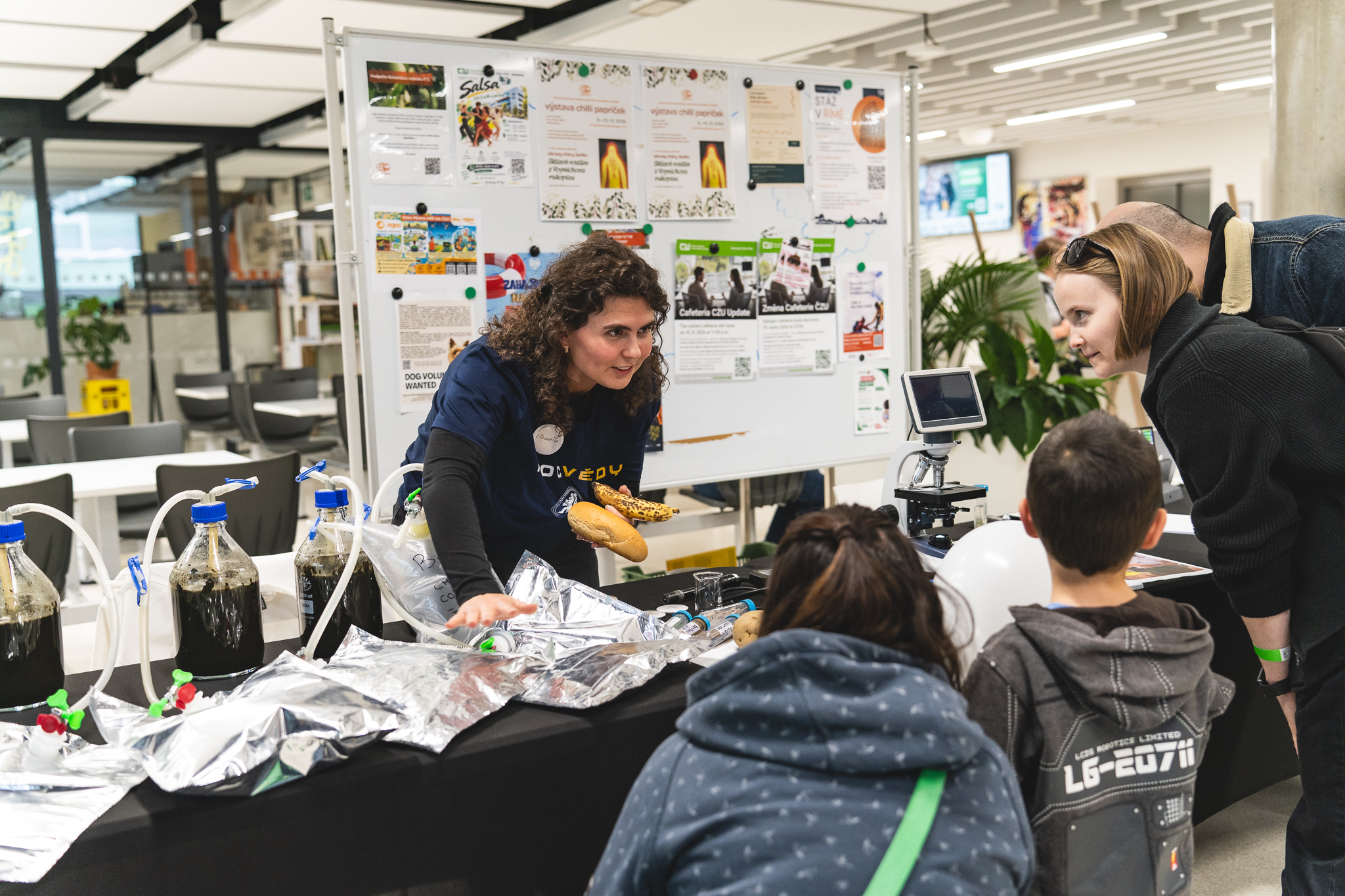
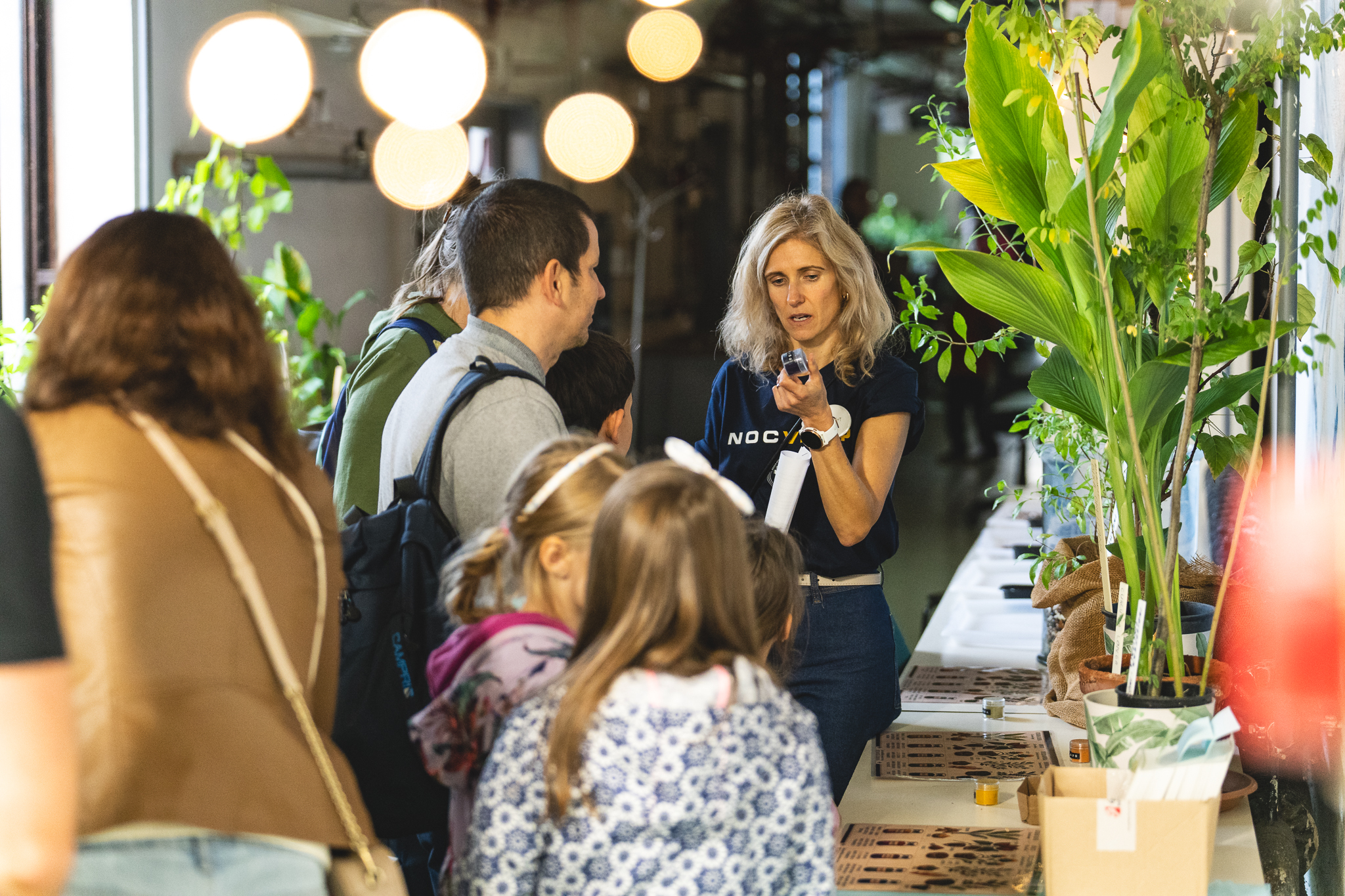
The Faculty of Tropical AgriSciences took its guests into the world of chemical signals, colours and plant scents. Visitors learned about donkey body language, identifying animals by their voices, the work of a plant tissue culture laboratory and the ways microorganisms communicate with one another in a bioreactor.
As in previous years, the campus game for children was a major success. A total of 238 young visitors completed stations at all six faculties, collected the required stamps and received a reward for completing the entire route. Overall attendance at this year’s Science Night at CZU reached 880 visitors.
Science Night once again demonstrated that science does not have to remain hidden in laboratories or academic publications. Over the course of a single evening, it took the form of dozens of experiments, practical demonstrations and interactive experiences at CZU, allowing visitors to discover its many facets and perceive the language of the universe.
Lenka Prokopová / Photo: Petr Zmek