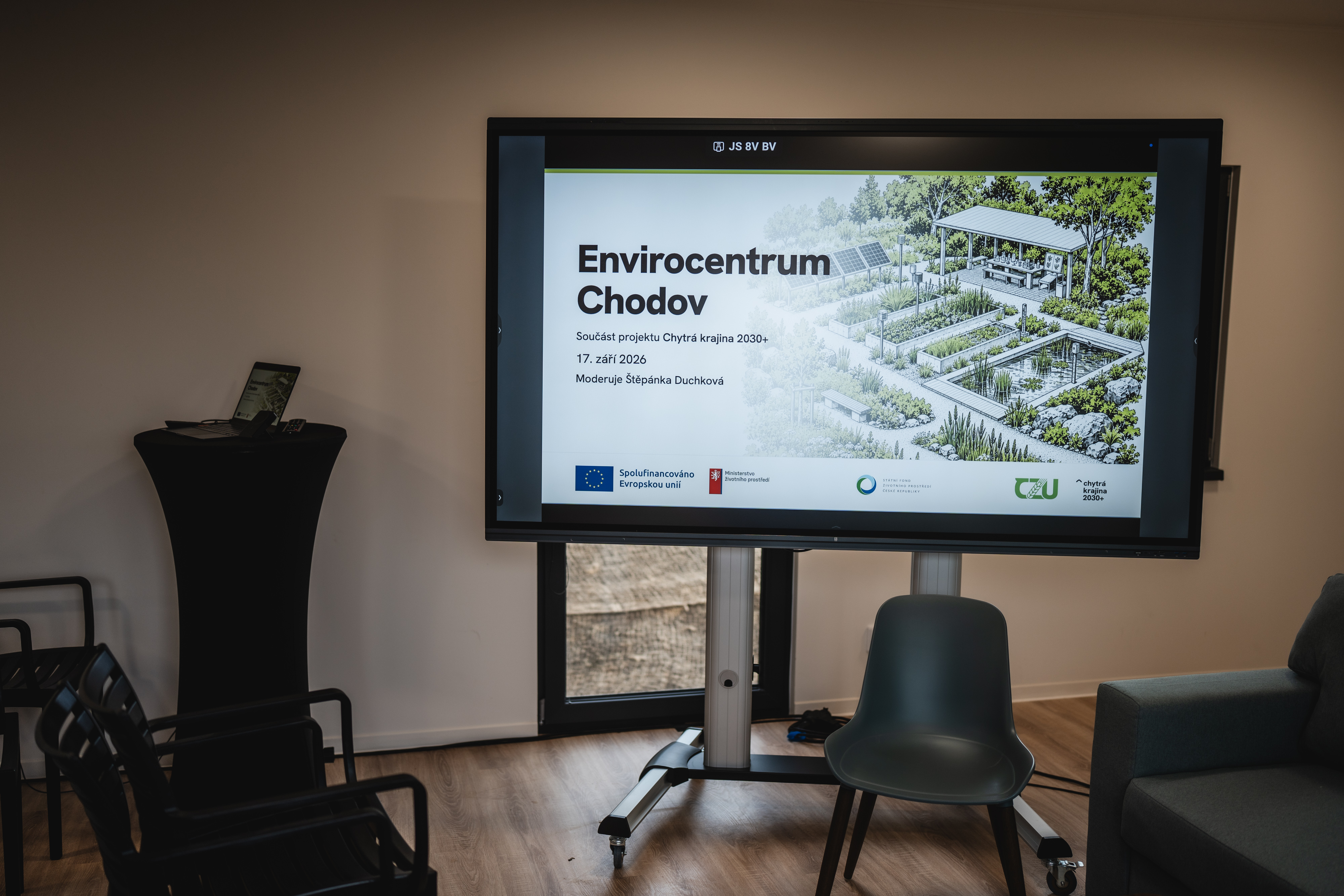
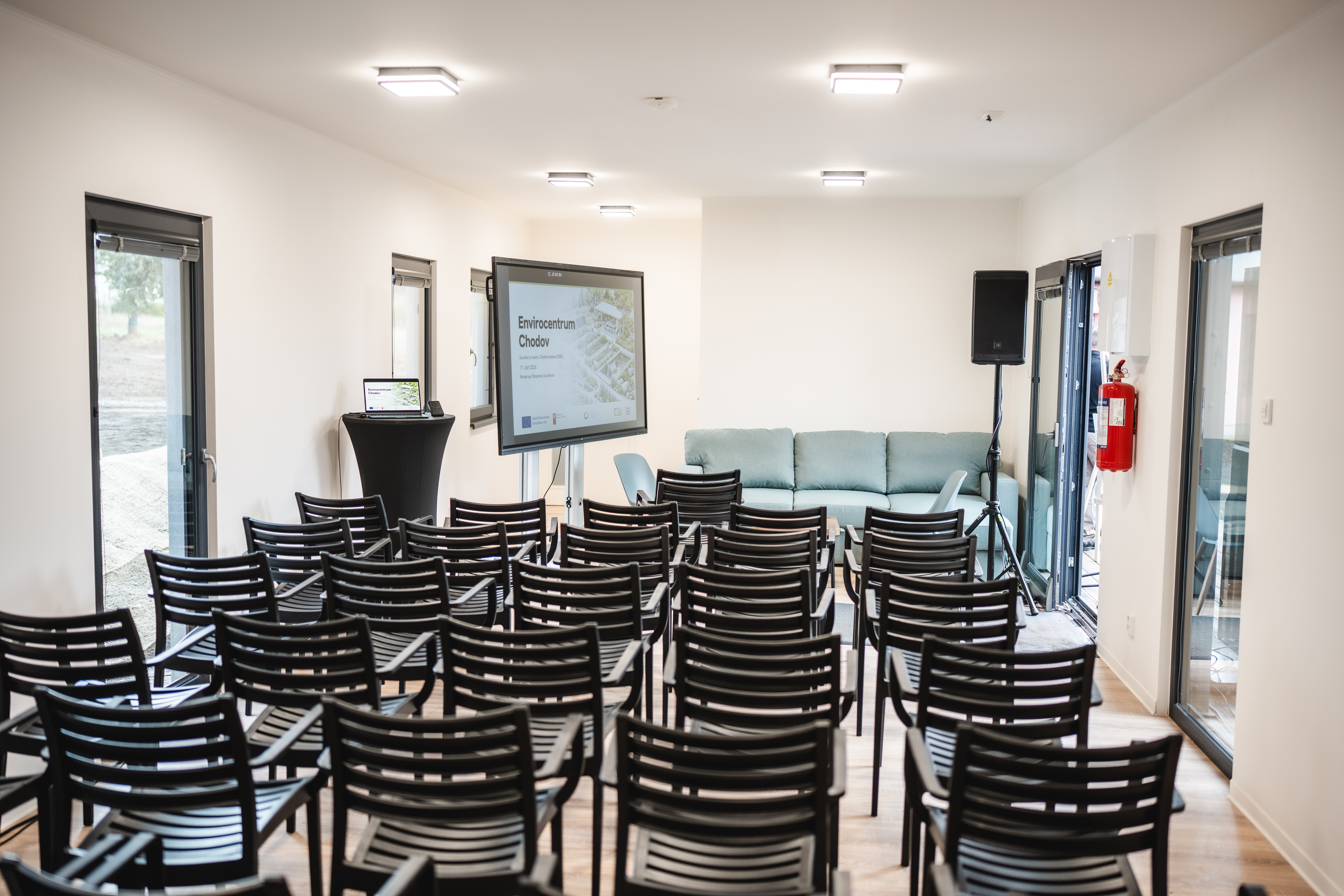
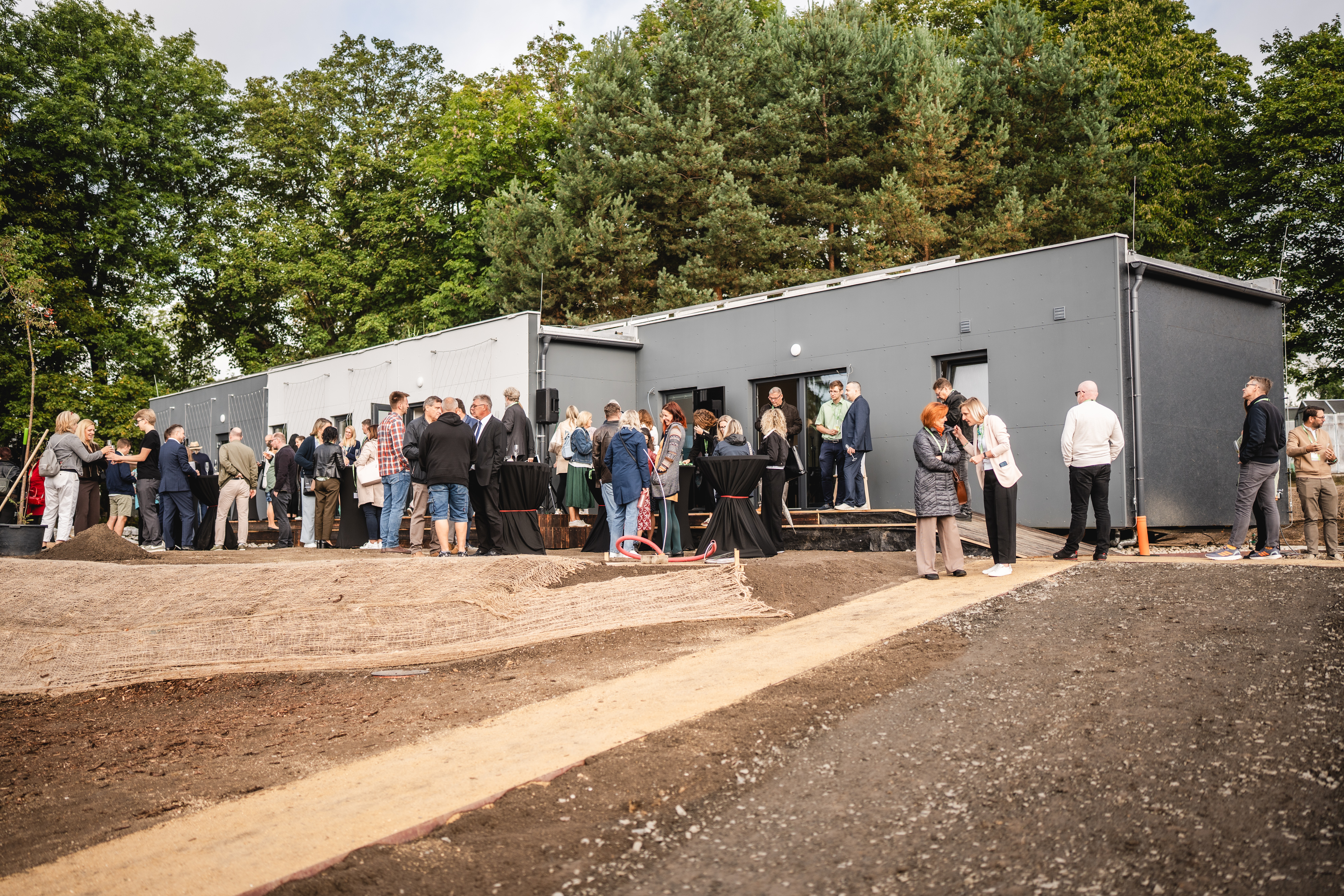
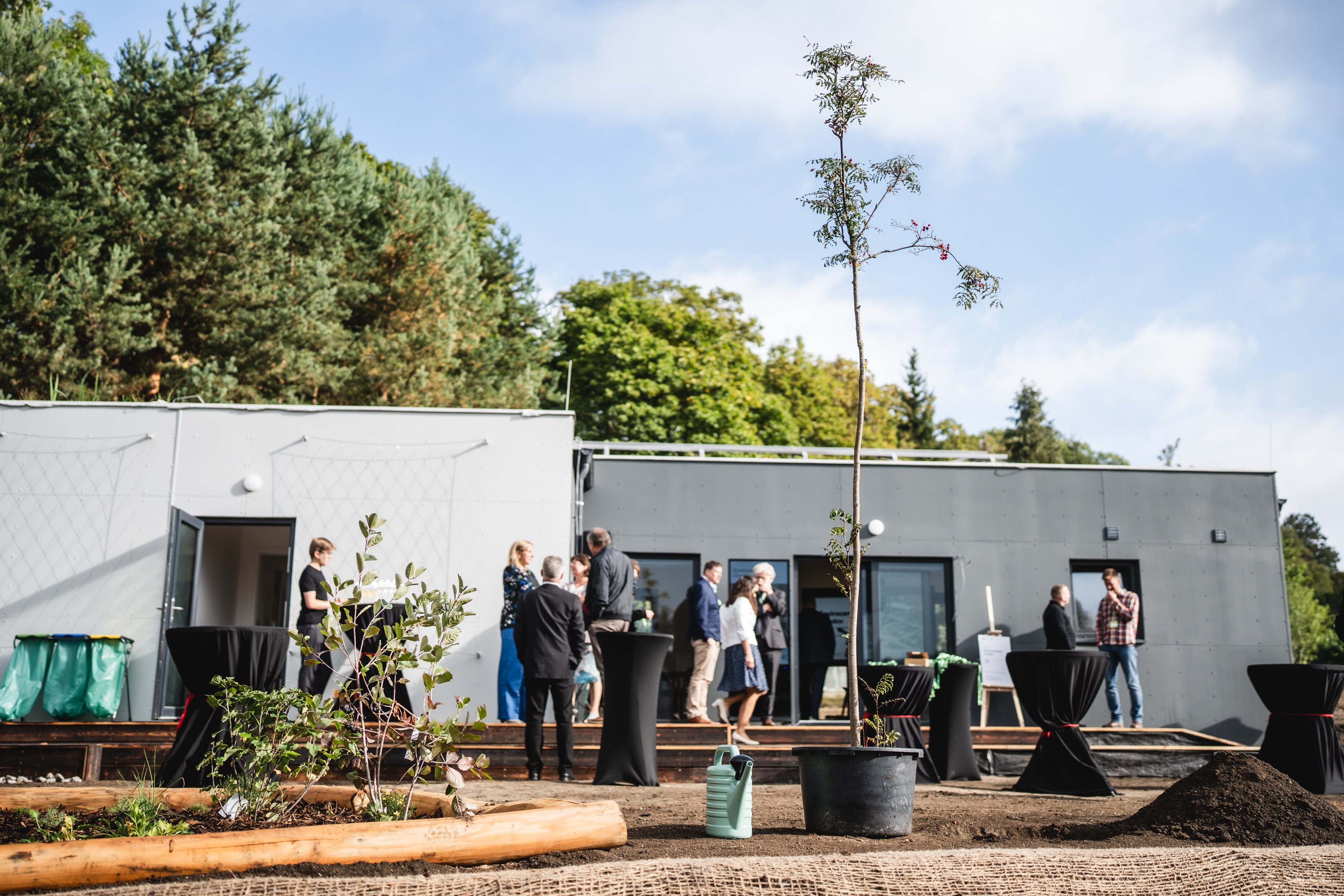
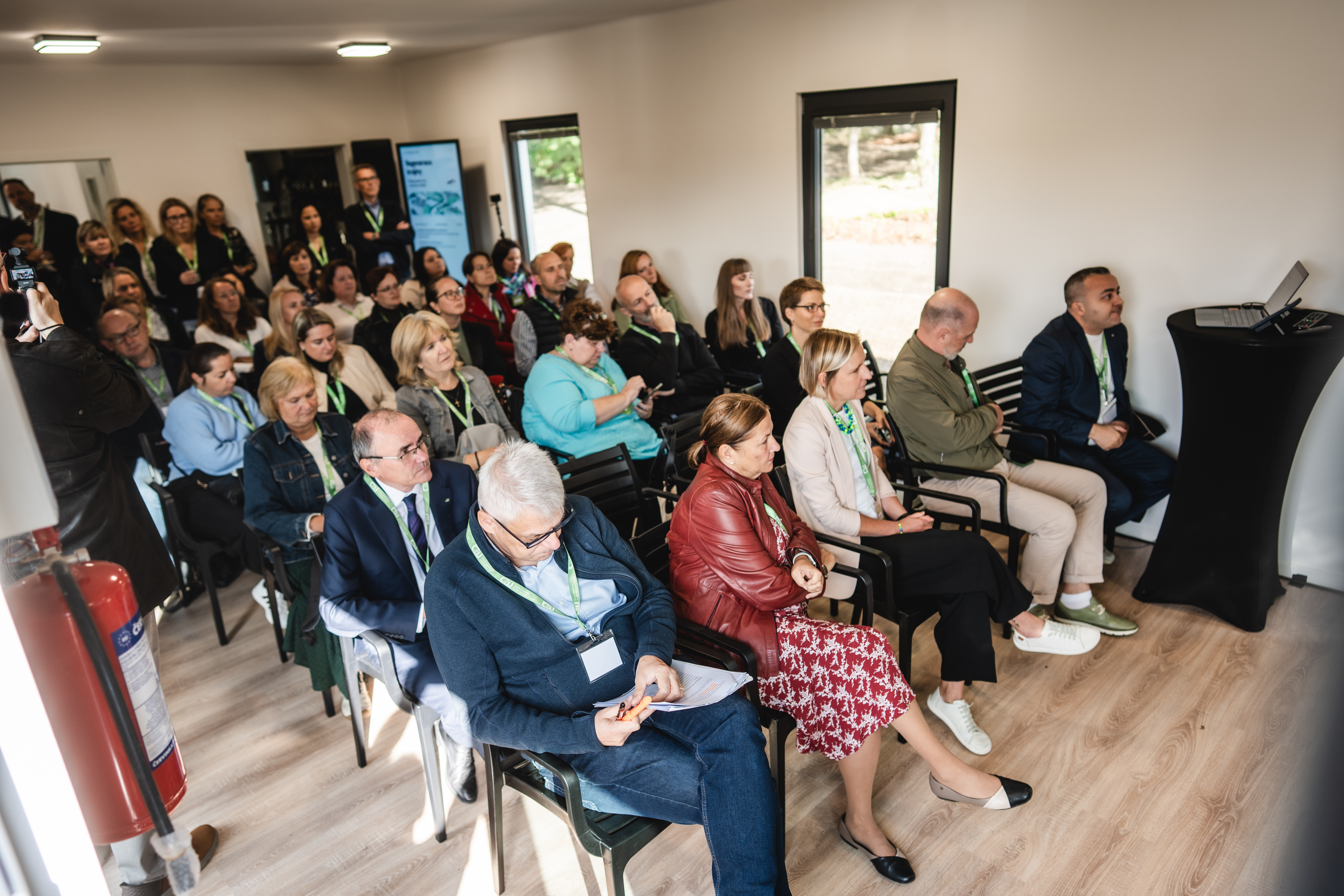
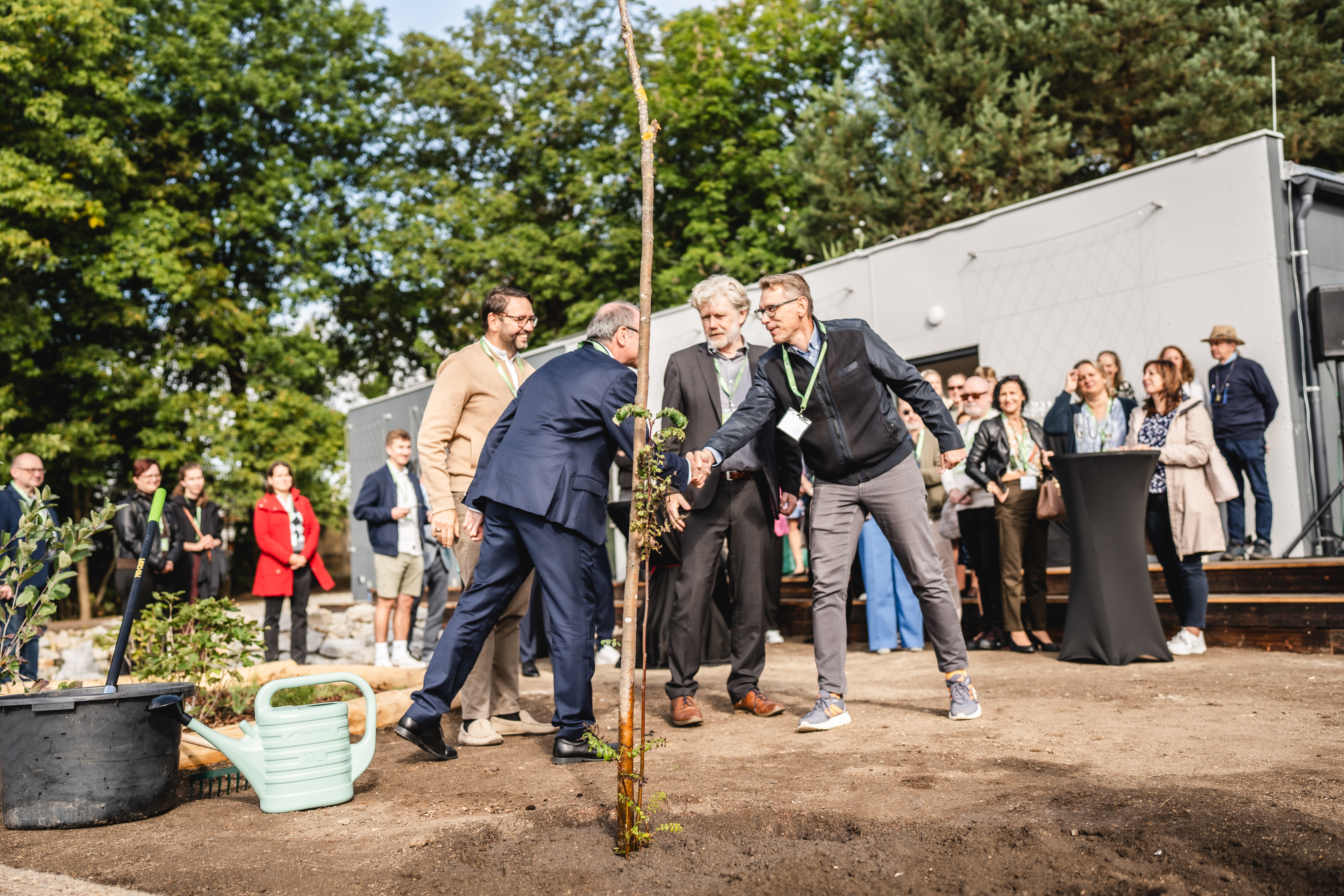
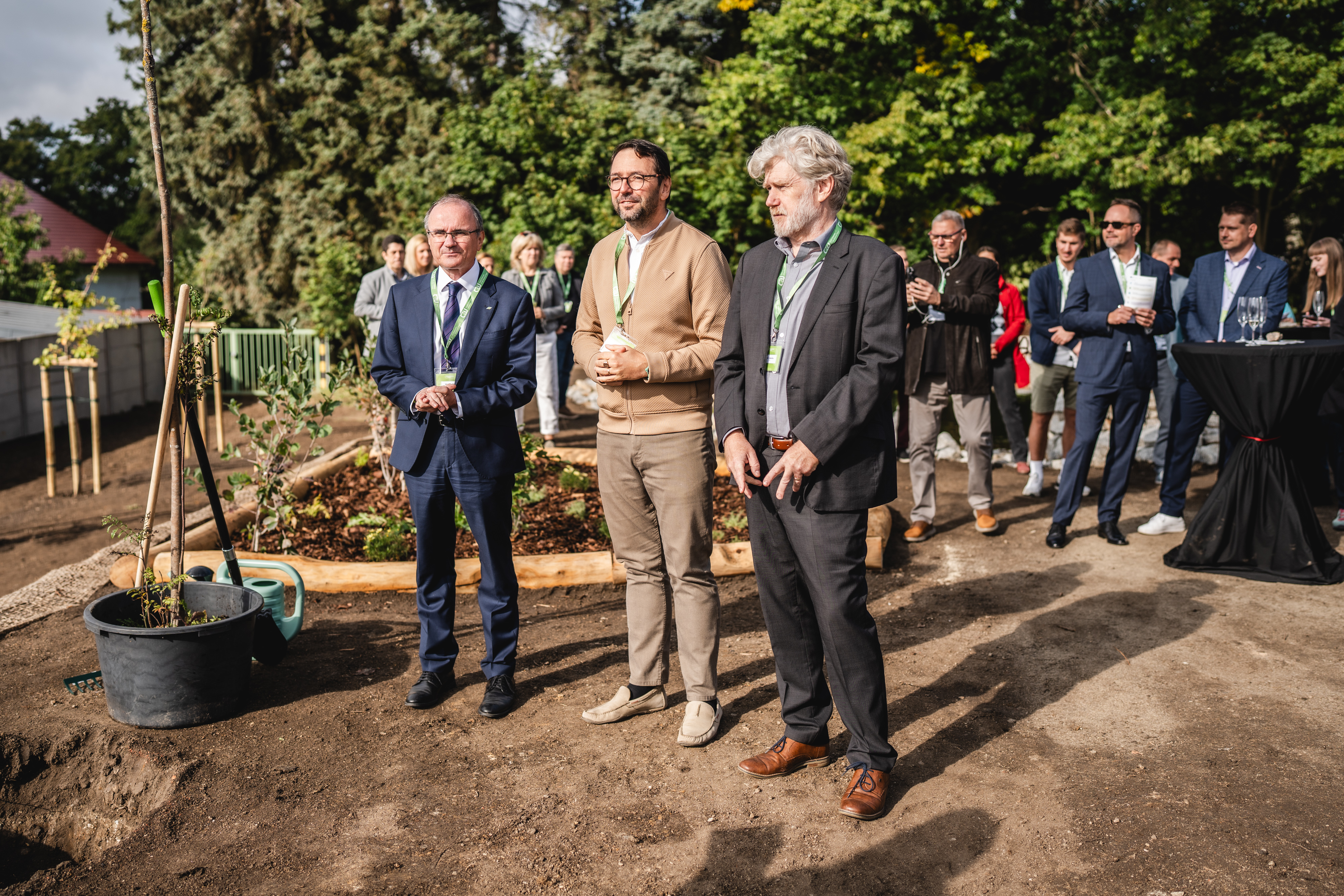
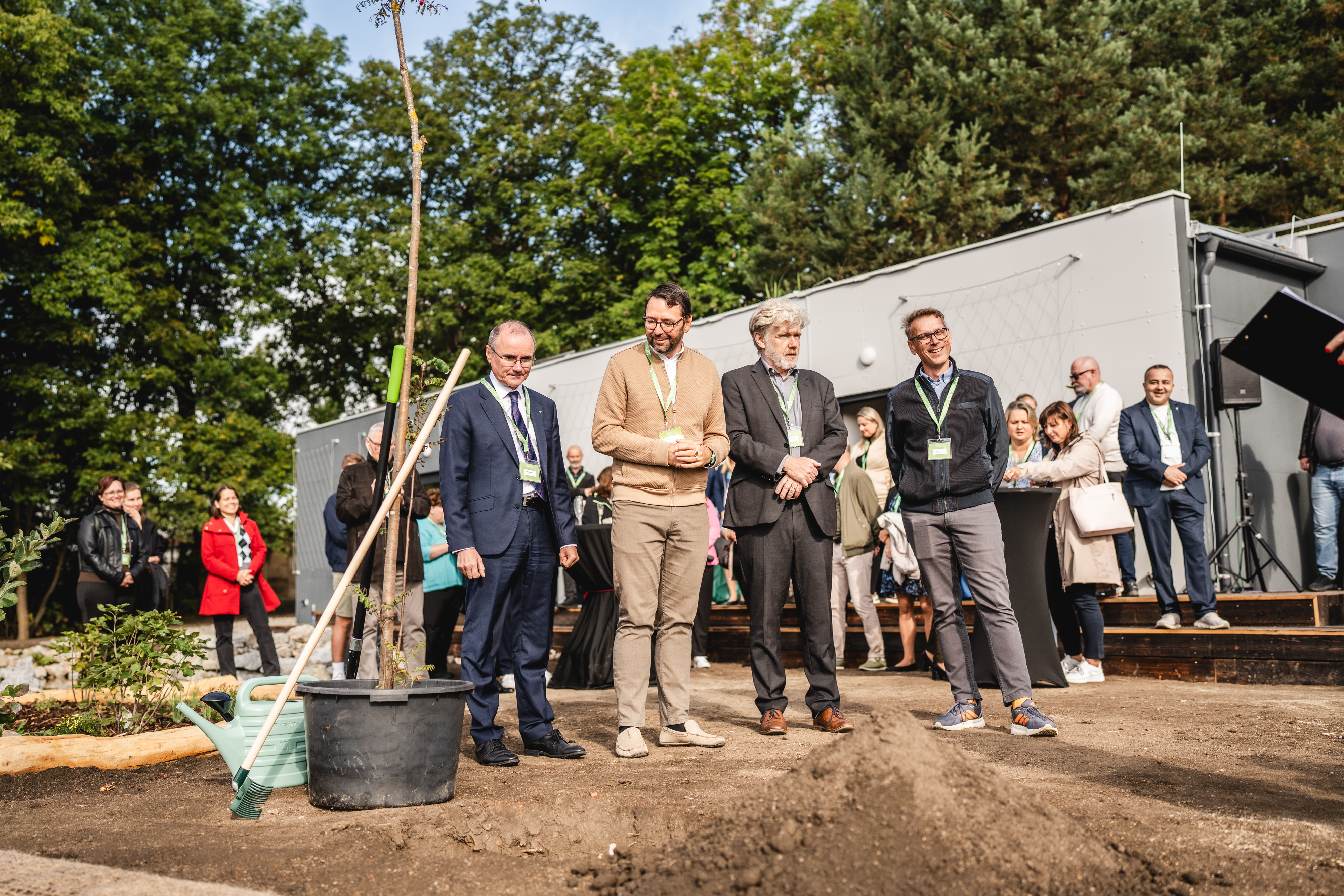
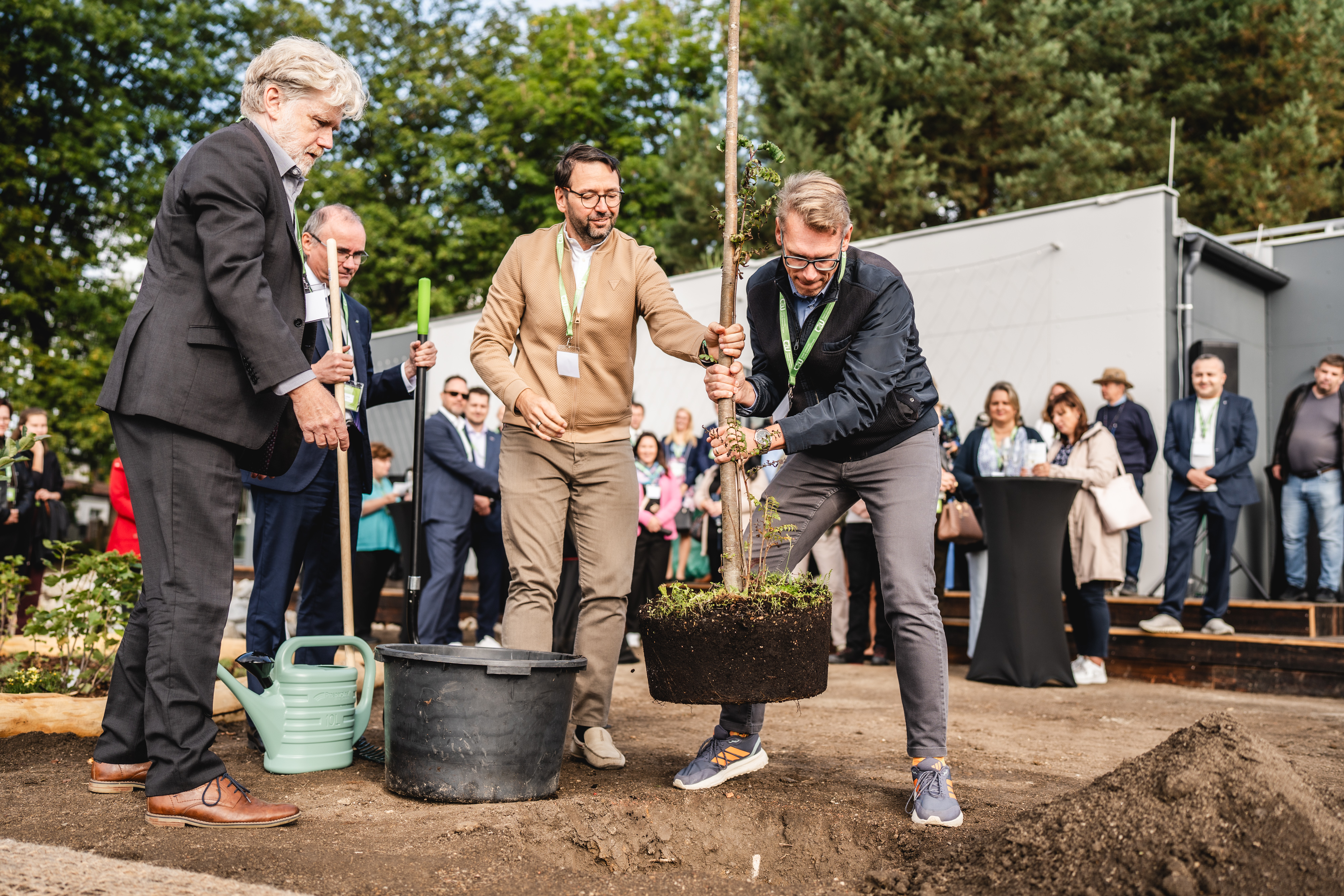
The new center in Chodov, in the Karlovy Vary Region, integrates water management, green spaces, renewable energy sources, and smart technologies. Rather than simply presenting individual solutions, it will measure and evaluate their performance in real-world conditions over the long term and share the insights gained with cities and municipalities.
What is the best way to retain rainwater where it falls? Can a green facade or roof cool a building and its surroundings? How does the water permeability of different surfaces vary? And how can photovoltaics, wind energy, battery storage, and a building’s energy consumption be effectively integrated? The new Chodov Envirocenter, launched today, aims to find answers to these and similar questions. This demonstration and research center of the Faculty of Environmental Sciences at the Czech University of Life Sciences in Prague brings together, in one location, technologies that can help cities and municipalities better respond to climate change.
Its primary purpose is not merely to present individual solutions. The Envirocenter is designed to function as a living laboratory where, over the long term, the effectiveness of individual measures in everyday operation will be monitored, compared, and evaluated. This principle aligns with the entire Smart Landscape 2030+ project, which progresses from testing and measurement through expert evaluation to the development of methodologies and the implementation of proven solutions in practice.
Connecting Science and Local Governments
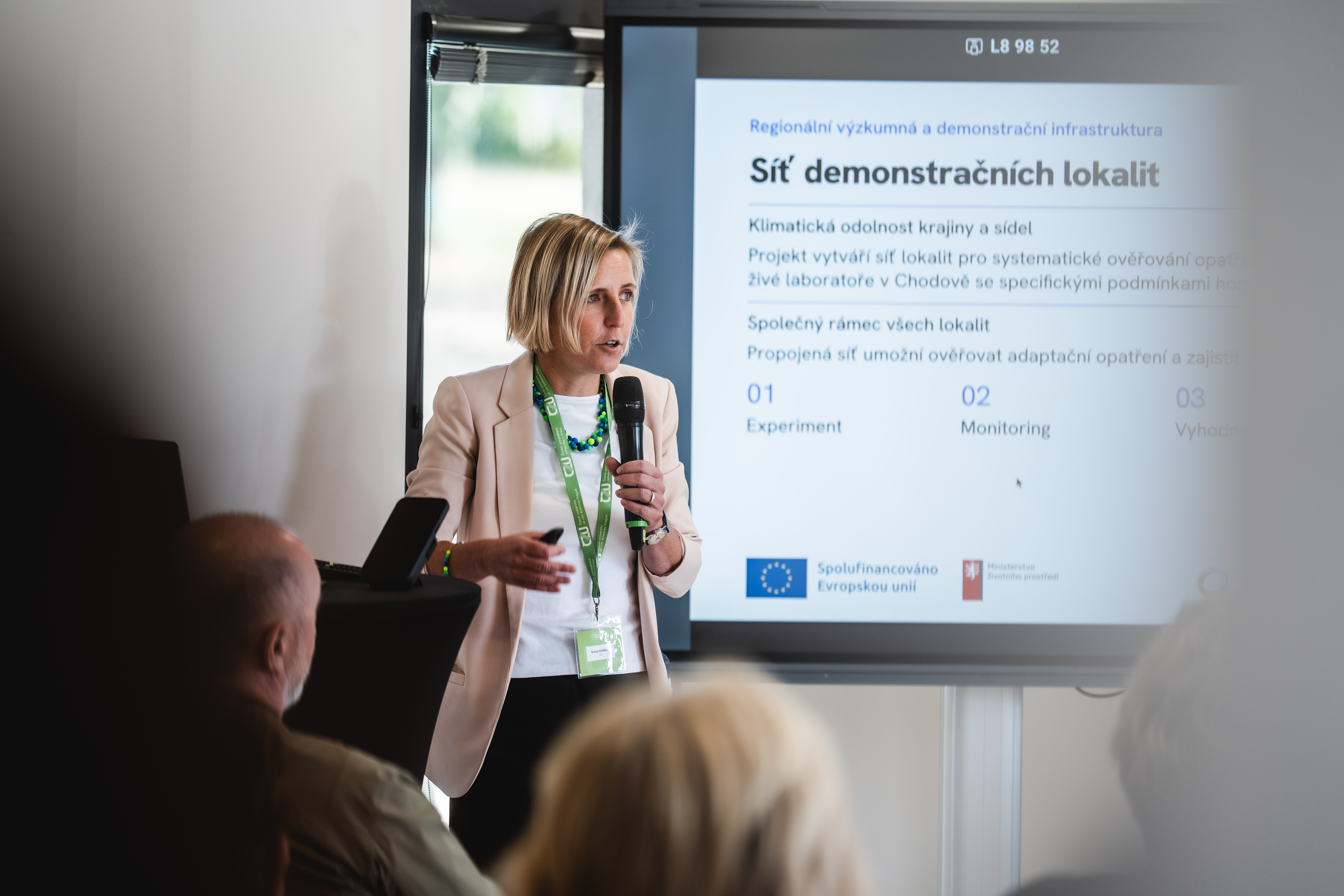
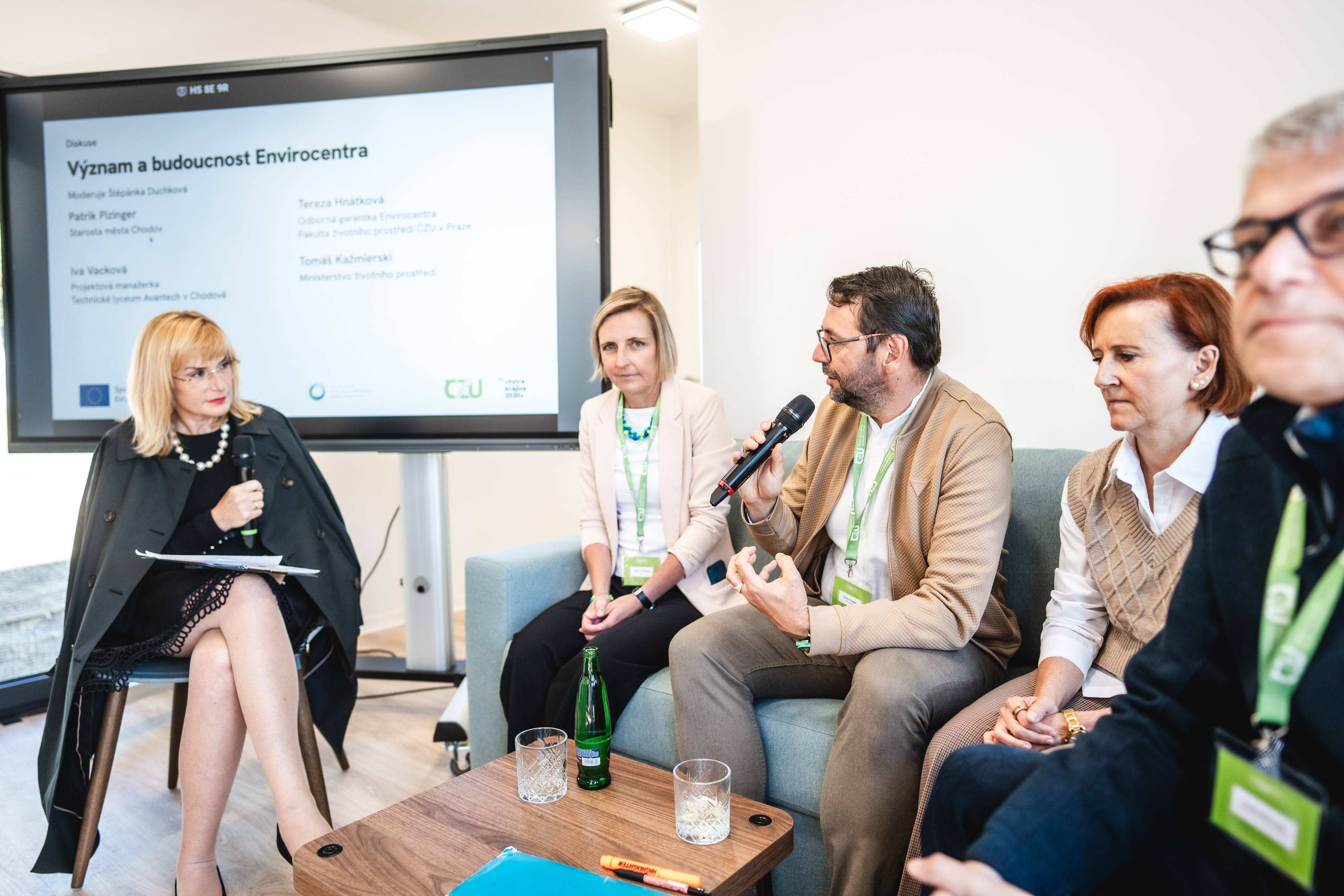
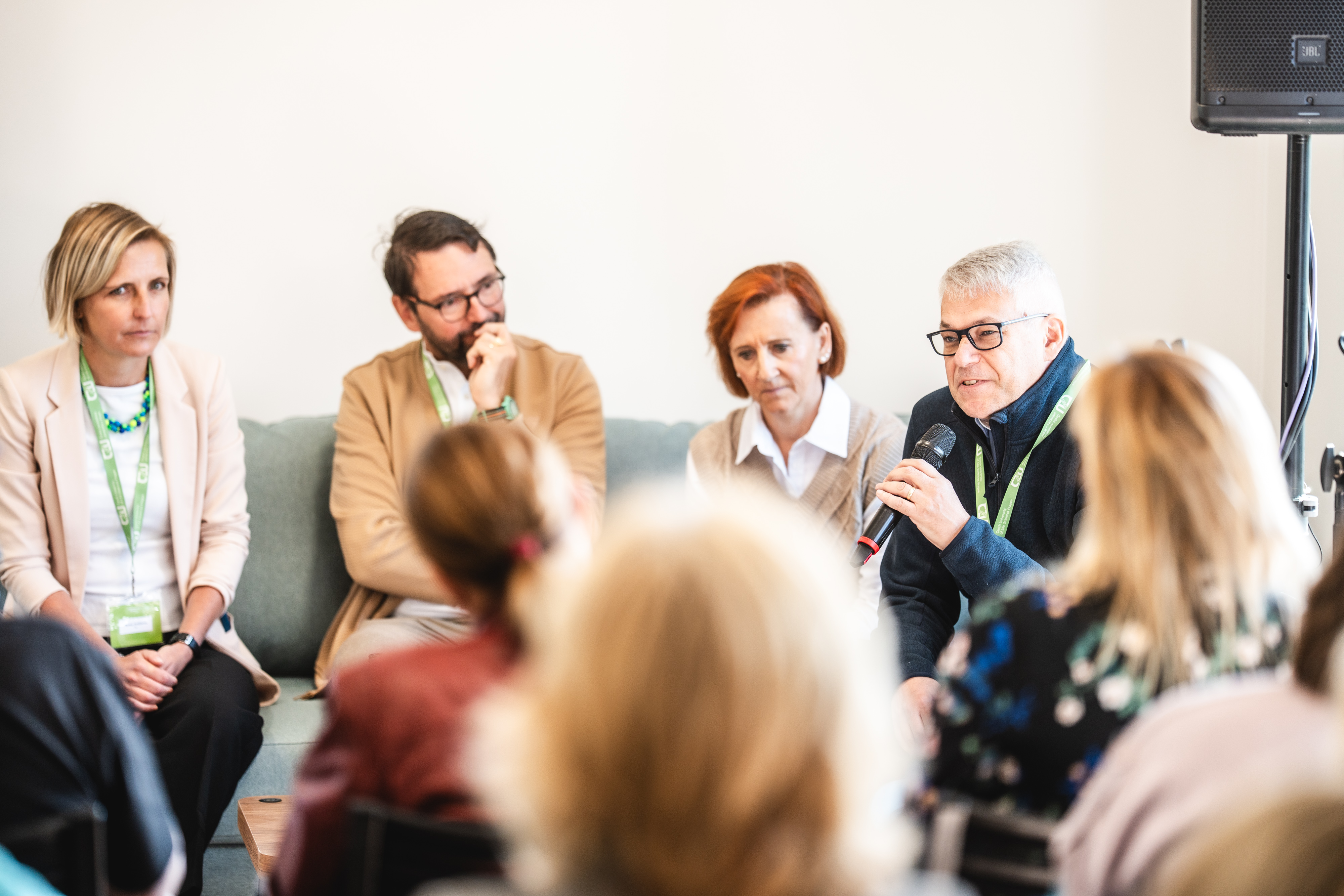
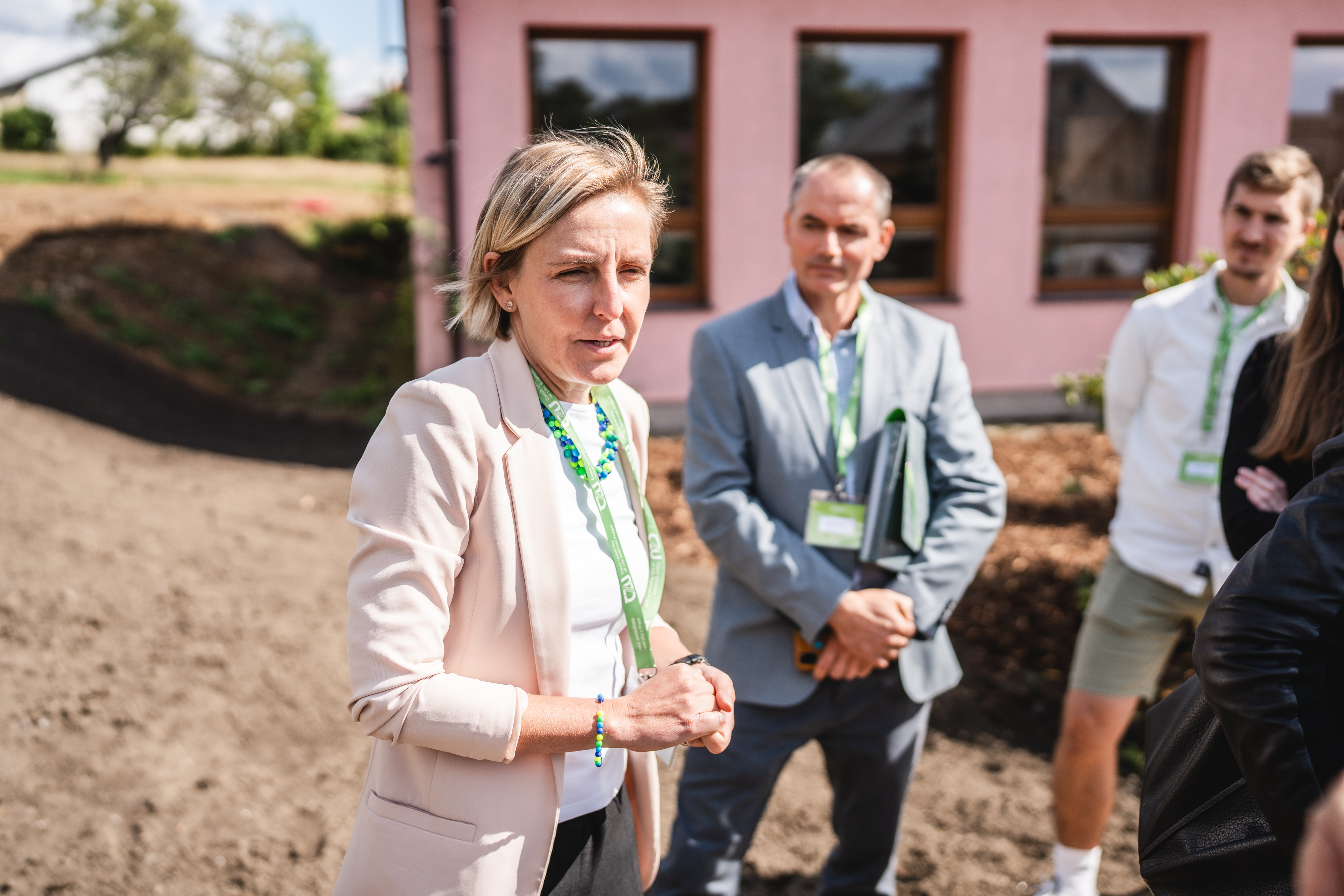
“In the countryside or in the city, water, green spaces, soil, buildings, and technology do not operate separately. That is why I need to see how individual measures interact in real-world conditions and what they actually bring to people and the environment. For me, the Envirocenter isn’t a showcase for technology, but a living laboratory where research is based on long-term data and where, together with cities, schools, and professionals in the field, we seek solutions that are effective, sustainable, and applicable in other locations as well,” says Tereza Hnátková, the academic supervisor of the new Envirocenter at the Faculty of Environmental Sciences of the Czech University of Life Sciences in Prague.
The practical applicability of the results for local governments is one of the reasons the center was established. Cities and municipalities are now, more than ever, making decisions about investments in water management, green spaces, energy savings, and public space improvements. The Envirocenter aims to offer them the opportunity to see various solutions in real-world operation and to gain information about their actual benefits as well as their operational requirements.
“As mayor, I don’t need to hear that a solution works in theory. I need to know if it will work in our city, what it will bring to people, and what it will mean in terms of its operation and maintenance. Thath’s exactly what makes the Envirocenter interesting to me. I’m glad that such a place was established right here in Chodov,” says Patrik Pizinger, mayor of Chodov.
Water That Doesn’t Go to Waste
One of Envirocenter’s main focuses is water. Rainwater from the roof is collected in storage tanks and then used, for example, to irrigate green spaces, flush toilets, or replenish the aquatic habitat. Instead of being quickly drained into the sewer system, excess water is absorbed by rain gardens.
Greywater from sinks, showers, and washing machines is also treated separately. It undergoes mechanical and biological treatment, ultrafiltration, and UV disinfection. Once treated, this water can be reused—along with rainwater—for purposes such as flushing toilets. The system also includes a hybrid green roof with a rooftop wetland, which manages water in an eco-friendly manner while enhancing the roof’s cooling effect. Closing the water cycle on the premises is one of Envirocenter’s main research topics.
Data Drives Decisions
It is precisely this emphasis on measurement that sets Envirocenter apart from a typical demonstration building. A central measurement and control system links the building’s technological systems to a network of sensors. These sensors continuously collect data on, for example, temperature, humidity, flow rates, heat fluxes, indoor environmental quality, and meteorological conditions.
The site also features a complete weather station that monitors not only temperature, humidity, and precipitation but also, for example, wind speed and direction, solar radiation, and atmospheric pressure. Among other things, the data will be used to evaluate the performance of green roofs, water retention, and irrigation management.
A separate experiment consists of six test areas with different types of permeable surfaces, where water runoff is measured; this will allow for long-term comparisons of how individual solutions maintain their ability to infiltrate rainwater and how they respond to varying rainfall intensities.
The results will not be limited to scientists. Visitors can view the current measurements and their historical trends at the information kiosk.
From Research to Practical Application
The Envirocenter will not serve researchers alone. It is designed to bridge the gap between research, education, and practice, and to provide a base for schools, students, cities and towns, professionals, and businesses. The center plans to offer field trips, workshops, research programs, project-based learning, and citizen science activities based on real-world data.
For companies, the center can serve as a place to test new technologies or services outside of laboratory conditions and to combine their operation with expert monitoring and research evaluation. For cities and municipalities, on the other hand, it is intended to provide a source of practical experience to help them decide whether and under what conditions to implement similar solutions.
“The Envirocenter is a fine example of a project that meaningfully connects research, education, and the practical testing of specific solutions. It is precisely the transfer of the experience and results gained into the real-world operations of cities and municipalities that is crucial for them to better select appropriate adaptation measures. At the same time, it can serve as an inspiration and a source of experience for other cities and municipalities—not only in coal-mining regions but throughout the Czech Republic,” says Petr Valdman, director of the State Environmental Fund of the Czech Republic.
Chodov as Part of the Smart Landscape 2030+ Project
The Envirocenter is part of the Smart Landscape 2030+ project led by the Czech University of Life Sciences in Prague in collaboration with the Karlovy Vary Region, which brings together science, modern technology, pilot field solutions, and cooperation among municipalities, schools, businesses, and the public. The aim is to make the Karlovy Vary Region a model area of a climate-resilient and data-driven landscape.
The project focuses on three main aspects: landscape restoration, hydrological safety, and smart landscapes and settlements. The Chodov Envirocenter is a place where many ideas can be translated from research into everyday practice. The project’s long-term ambition is to create a network of demonstration and reference sites that will connect Chodov, the Karlovy Vary Region, and other regions of the Czech Republic.
You can find more information about the Smart Landscape 2030+ project at https://www.chytra-krajina.cz/.