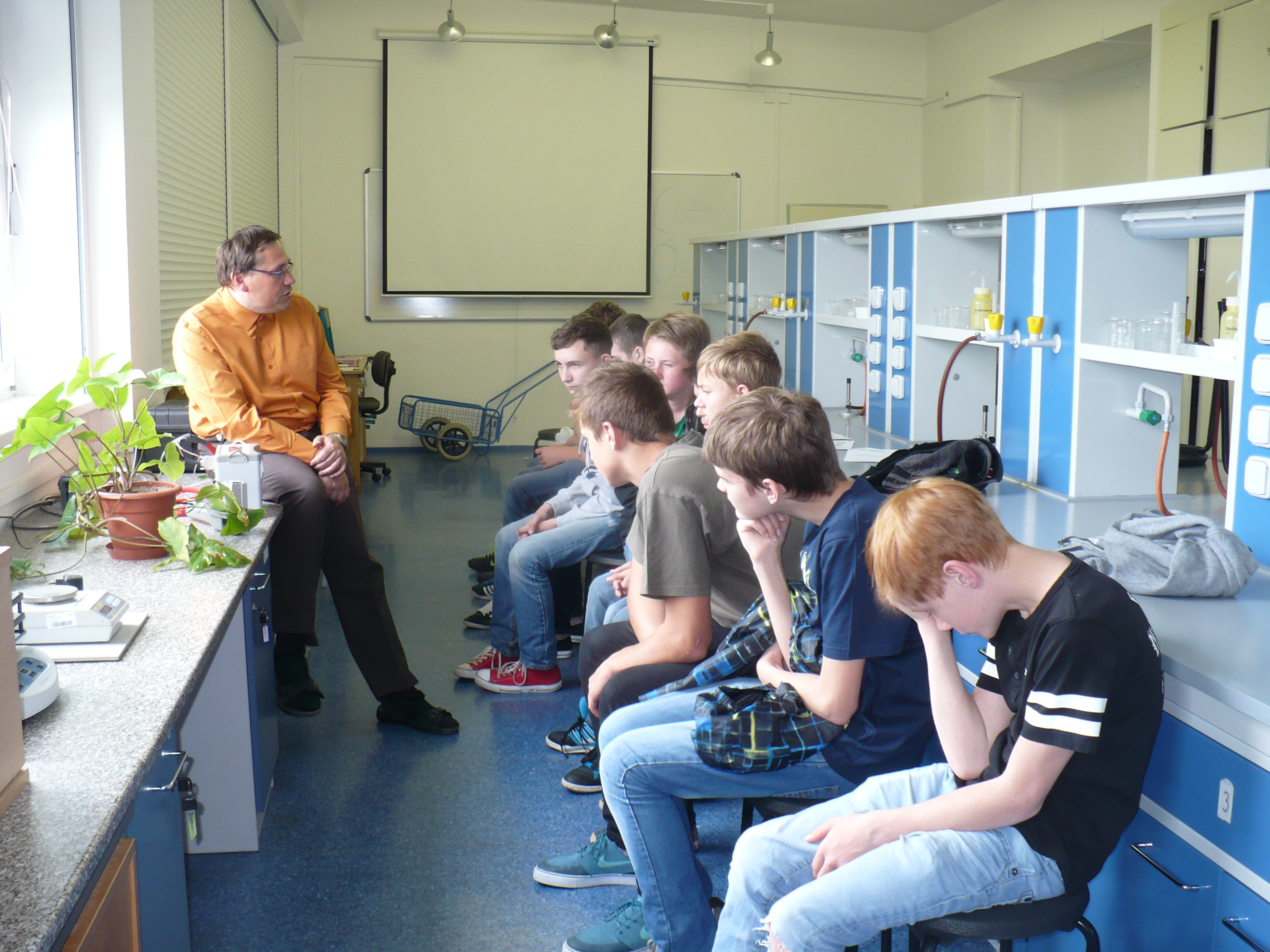
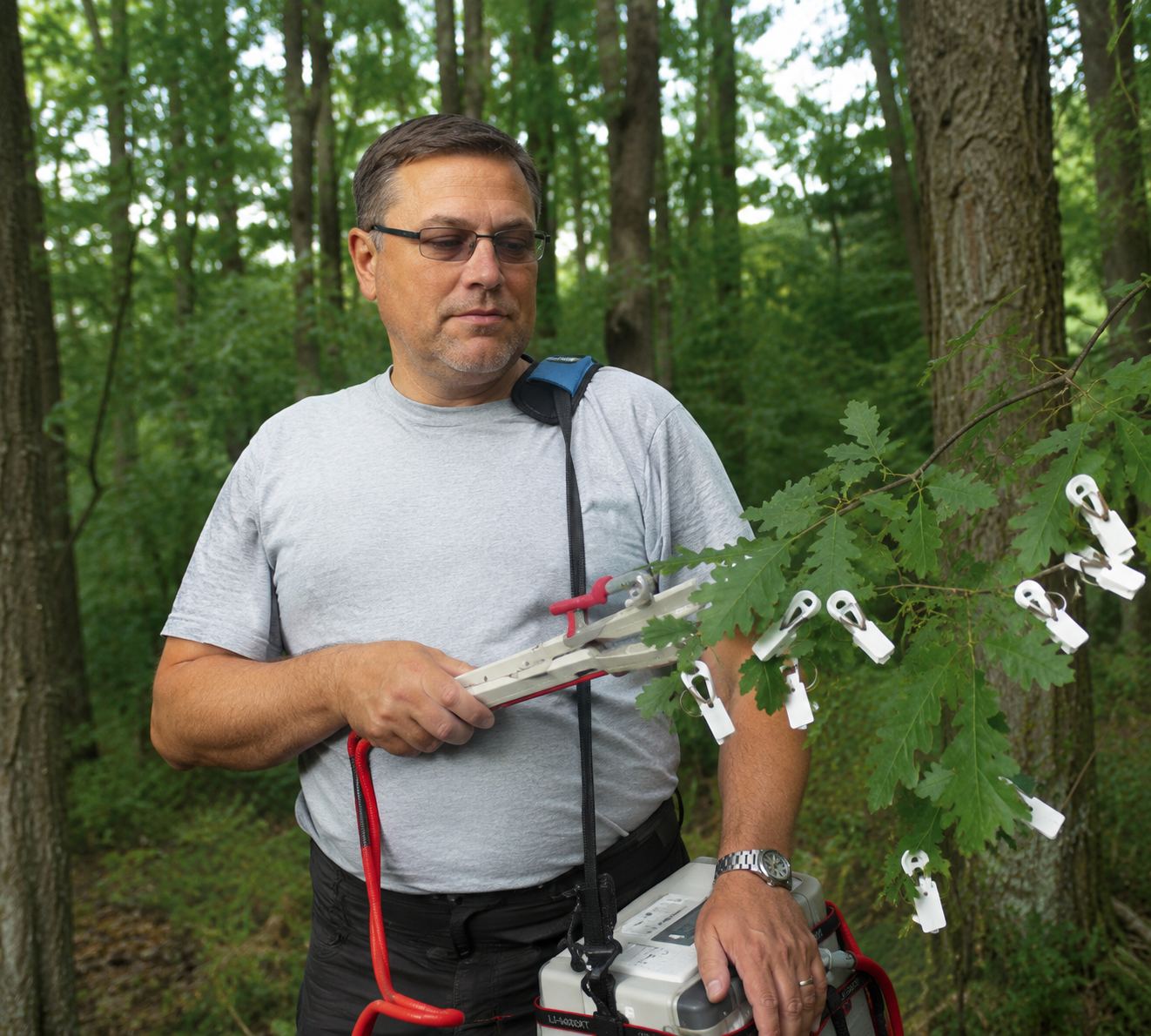
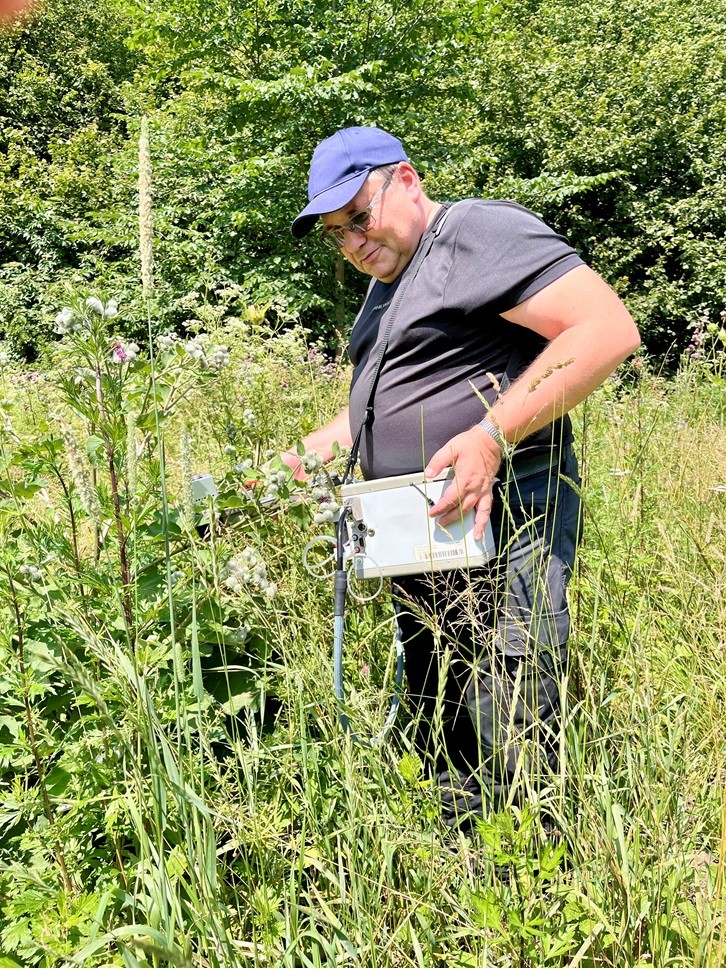
The CZU academic community has welcomed two new professors. In June, František Hnilička from the Faculty of Agrobiology, Food and Natural Resources, and Lukáš Zagata from the Faculty of Economics and Management received the highest academic title at the Carolinum. Who are they, what are their fields of expertise, and what do they do when they are not engaged in research? We introduce the first of CZU’s newly appointed professors.
Professor Hnilička, what does receiving the highest academic title mean to you, and how do you perceive this recognition?
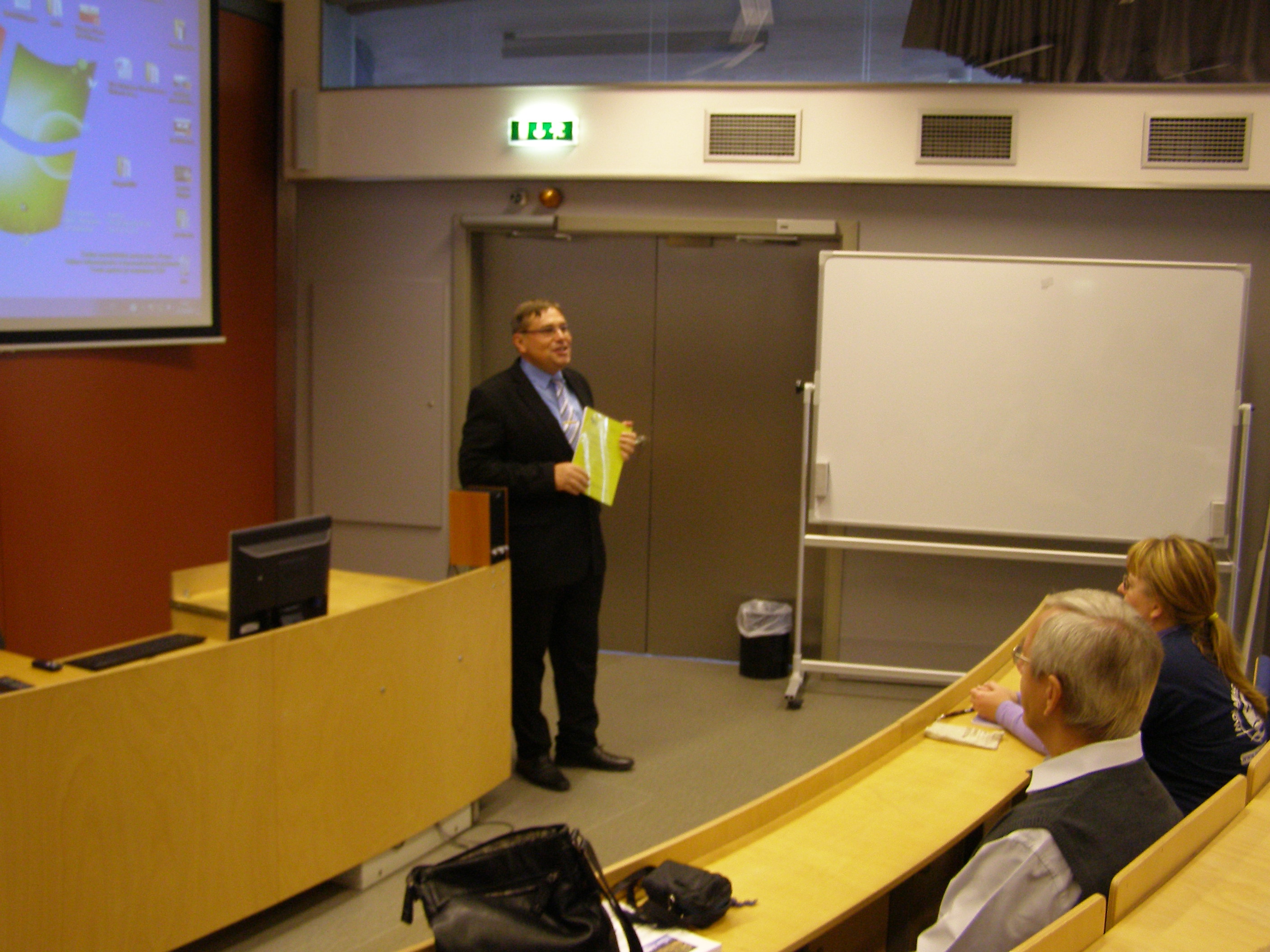
I see the title of professor as the culmination of my lifelong teaching and scientific career. I appreciate that my efforts have been rewarded with the highest title a person can achieve. It is a source of satisfaction not only for me, but also for the entire team, our department, my family, and all my friends and colleagues who have contributed in some way to my scientific development. It is also the result of my work with colleagues abroad and my teaching activities with the student community.
How will this achievement affect the next stage of your career at the university?
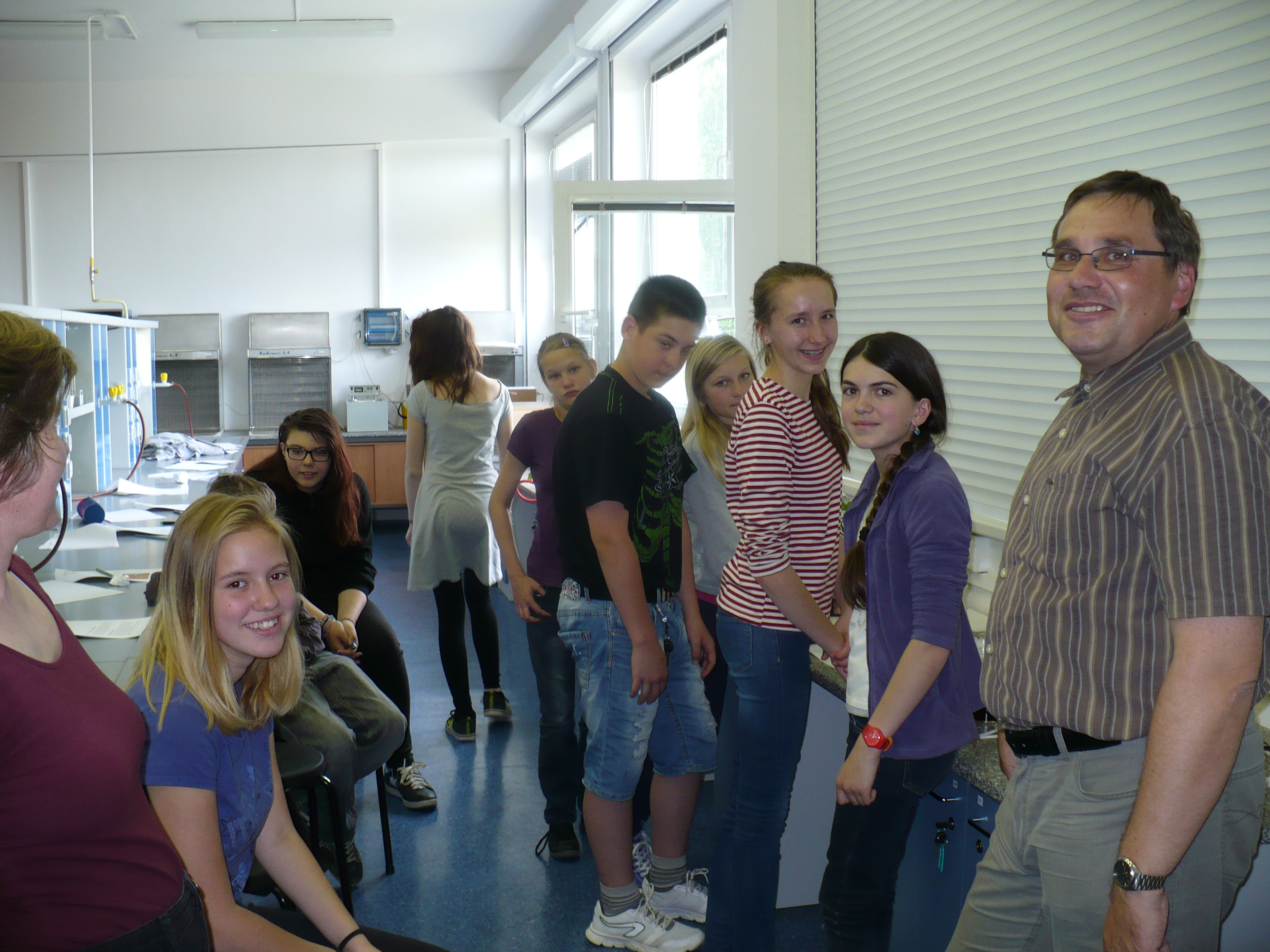
I certainly will not rest on my laurels. I will continue doing the work I have done so far. In fact, not much will change, as cooperation within the Czech Republic and abroad will continue as before. I enjoy spending time with young people and students, and I truly enjoy teaching. Science is the icing on the cake because, without it, I would not be able to pass on new knowledge to future agronomists, animal scientists, and researchers.
Where does your love of the plant kingdom come from, and how has it developed over time?
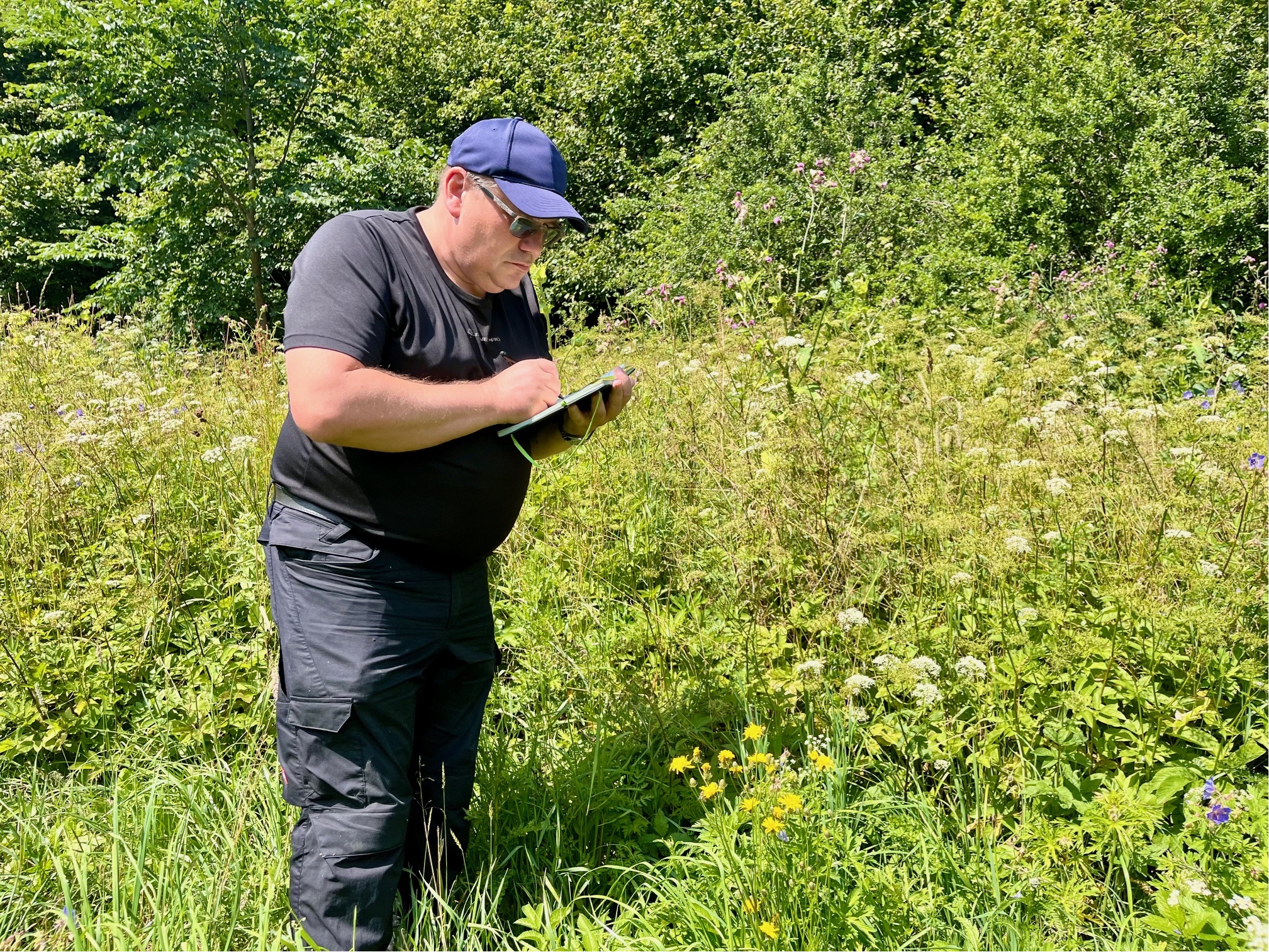
As I am a boy from the countryside, everything developed quite naturally. We used to spend much more time outdoors than children do today. There were no mobile phones; you came home from school and went to the forest or a meadow. However, my grandmother had the greatest influence on me. She was a passionate gardener who grew many plants and knew how to make our walks outdoors fascinating. She would tell me what was growing there, what made it interesting, and whether it could be used in medicine or elsewhere. My grandfather, in turn, had an excellent knowledge of forests and trees. That is probably where my love of nature has always come from.
Your professorship is the logical culmination of systematic scientific work. What specifically does your research focus on?
At first, I studied photosynthesis and water uptake in cereals, which were also the subjects of my master’s and doctoral theses. Later, at the Crop Research Institute, I met a wonderful colleague, Mr. Bláha, who introduced me to stress physiology with a focus on root systems. We began working together and studied plant responses to drought at a time when the issue was not yet widely discussed. Gradually, I took over his work and have continued in this field to this day.
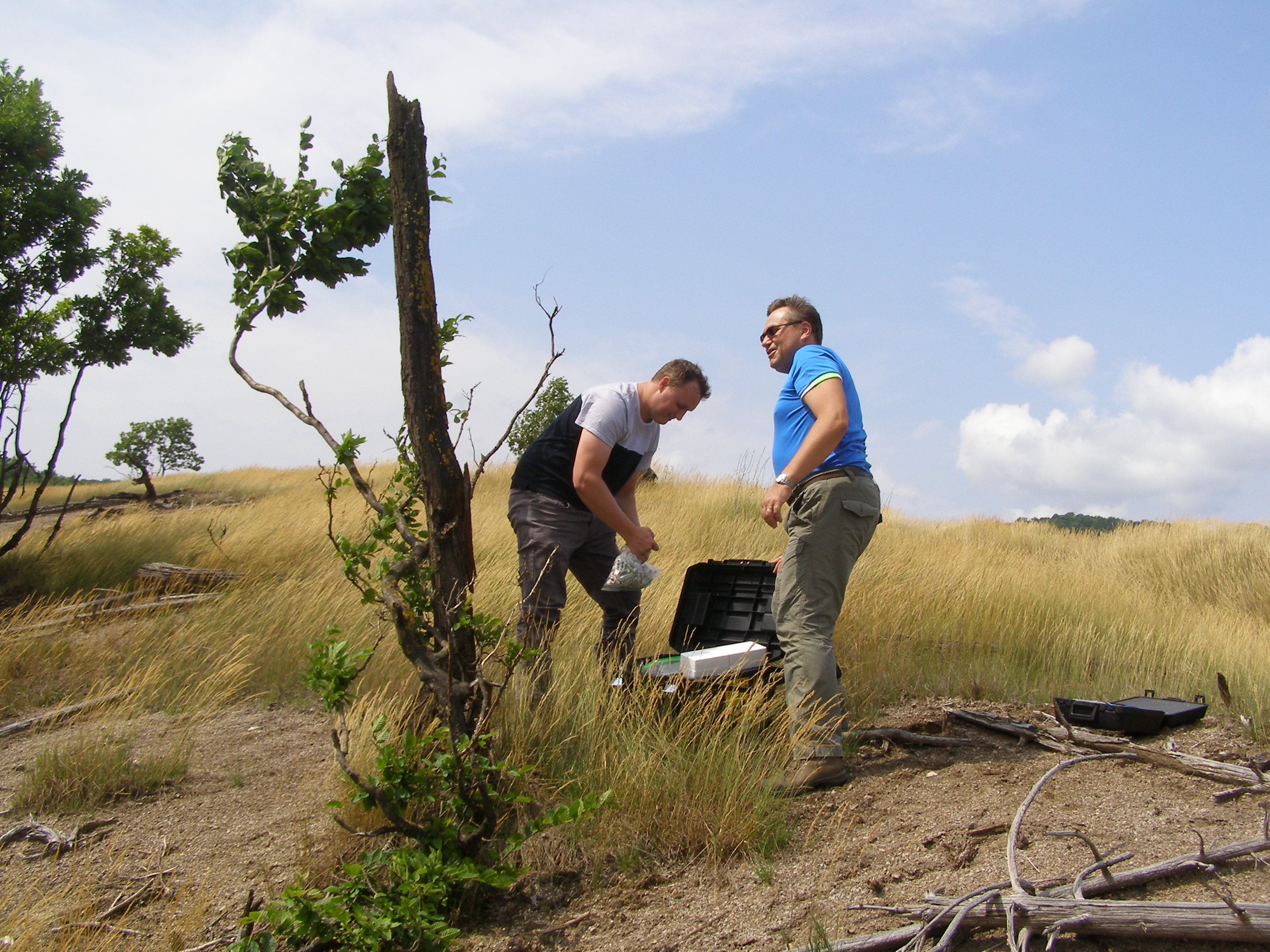
I focus on stress physiology and study how plants respond to various types of stress or a combination of stresses. My research no longer concerns only conventional cereals or field crops, but also, for example, fruit trees. In cooperation with colleagues from the Institute of Forest Ecology of the Slovak Academy of Sciences, we also study forest trees and damage to trees growing along roads.
Read the full interview in our online magazine ŽIVÁ UNIVERZITA.