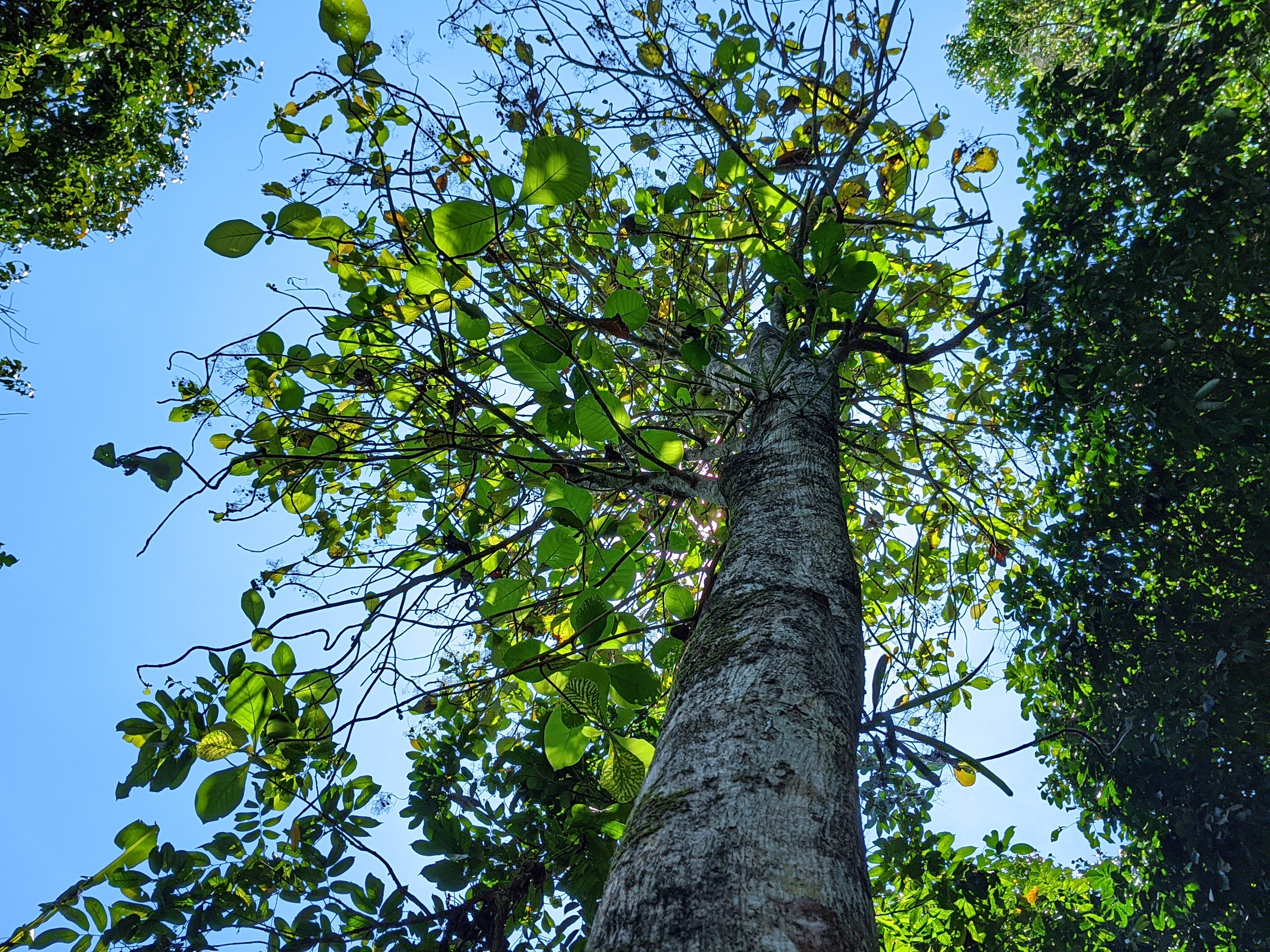
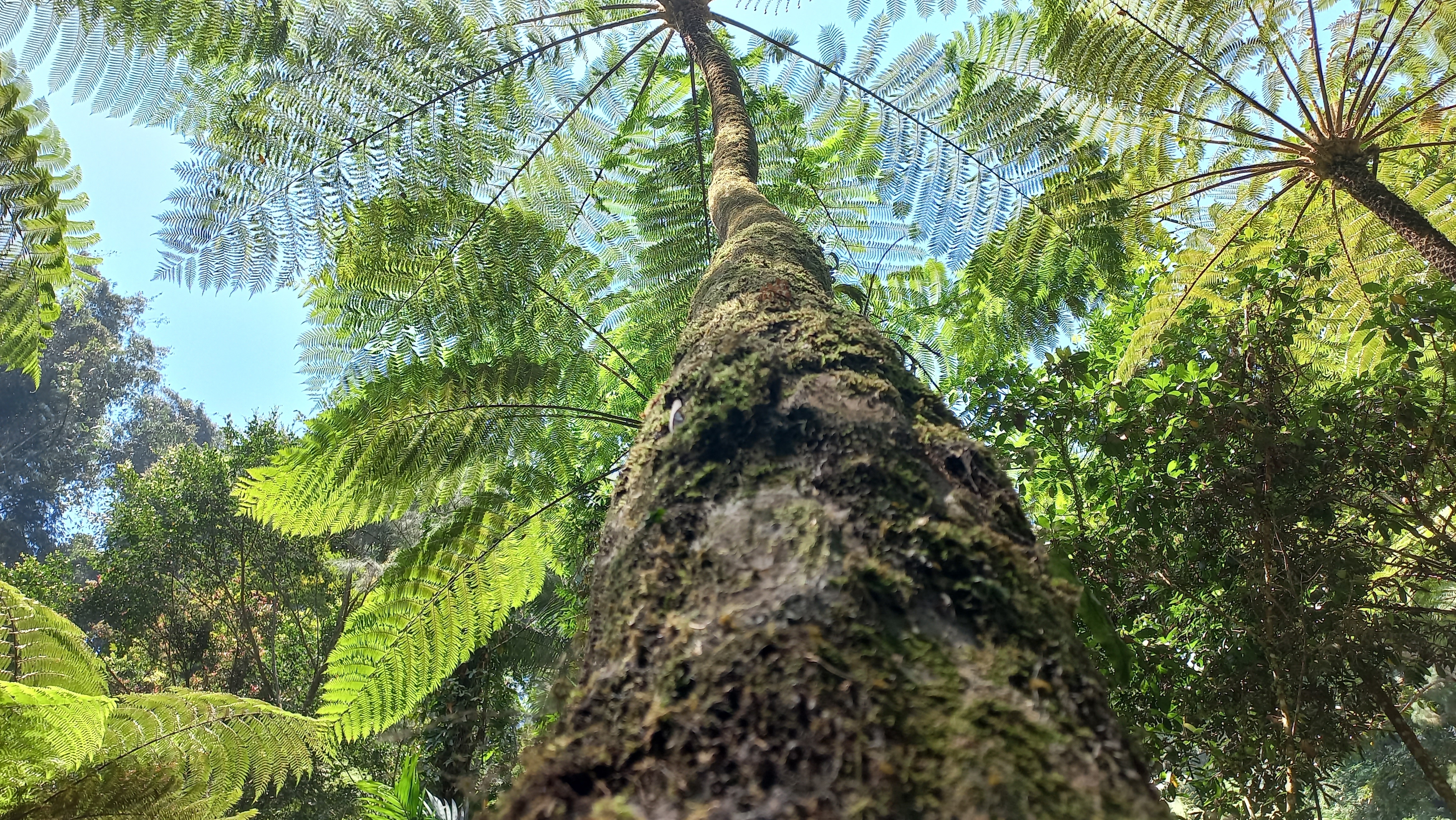
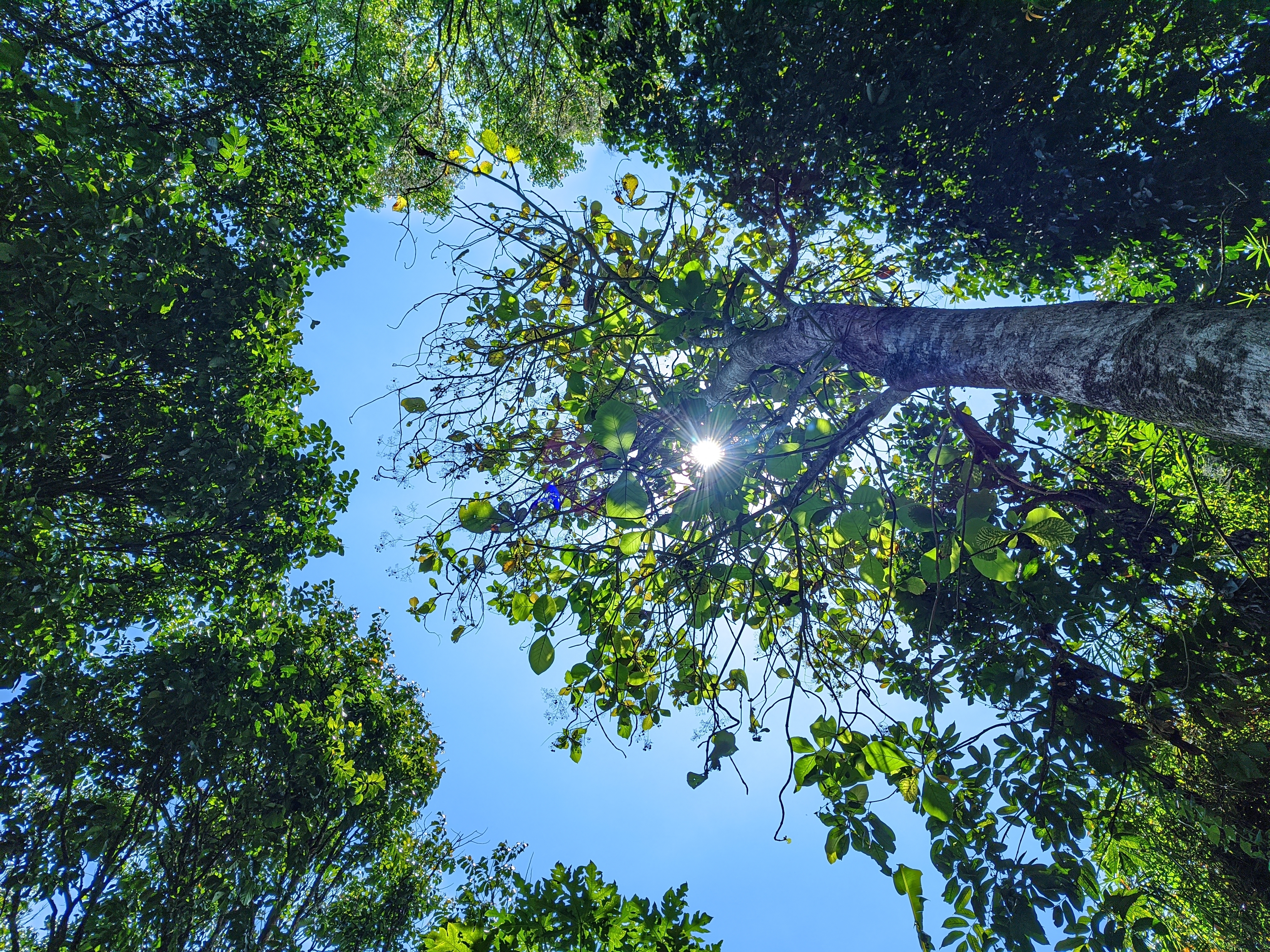
The world’s tallest tropical trees, which grow on the island of Borneo and reach heights of up to one hundred meters, are not more prone to water transport failure during periods of drought than shorter trees. Such is the finding of a new study published in the prestigious international scientific journal Science, with significant contributions from scientists from the Czech University of Life Sciences Prague and Mendel University in Brno. The research refutes the previous hypothesis that their hydraulic system fails during increasingly frequent droughts. These tree giants play an irreplaceable role in carbon storage, biomass production, microclimate regulation, and biodiversity support.
The tallest tropical trees, which belong to the Dipterocarpaceae family, dominate intact rainforests in Borneo and form the backbone of forest ecosystems in Southeast Asia. Until now, it had been assumed that their exceptional height represented a major disadvantage during periods of drought. However, the new study shows that, thanks to anatomical adaptations, these trees can ensure reliable water transport to the tops of their crowns, even during periods of low rainfall.
The research involved scientists from Mendel University in Brno (MENDELU), and the Czech University of Life Sciences Prague (CZU), as well as experts from the United Kingdom, Malaysia, Germany, Spain, Brazil, and the United States.
The researchers studied trees of various sizes in the Malaysian part of Borneo, in the state of Sabah. From the base of the trunk to the tree crowns, they measured the diameter of vessels responsible for water transport, leaf traits related to resistance to water stress, and tree growth before, during, and after the drought period in 2023–2024, when the region was affected by the El Nino climate phenomenon. The results showed that tall trees have developed anatomical and functional adaptations that compensate for the physical demands associated with their height.
“Understanding the biology of the tallest woody plants has a direct impact on estimates of future carbon stocks in tropical forests. Just 1 % of the tallest trees contain more than half of the above-ground carbon stored in these forests. Until now, climate models had assumed that these very trees would be the most likely to die during droughts. Our study, however, shows that height does not harm water transport, suggesting the need to reassess existing models of the impacts of climate change,” said wood anatomy expert Palasiah Jotan from the Faculty of Forestry and Wood Sciences at CZU, one of the three main shared authors of the study.
Ecologist Martin Svátek from Mendel University emphasized that this is the first direct evidence of the hydraulic resilience of the tallest tropical trees: “By combining anatomical, ecophysiological and ecological methods, we have for the first time been able to demonstrate that even the tallest trees from the Dipterocarpaceae family are not more hydraulically vulnerable during drought than smaller individuals. Similar research will now need to be extended to other species of tall trees in other parts of the world.”
To verify the response of giant trees to drought stress, automatic dendrometers were used alongside microclimatic sensors to record tree growth in response to environmental conditions. “The instruments used are Czech technology manufactured directly in the Czech Republic. We found that during the most recent El Nino period, giant trees did not reduce their growth in the same way as smaller trees. On the contrary, they showed a smaller decline in growth and a faster return to values typical before the drought period,” added dendrologist Radim Matula from the Faculty of Forestry and Wood Sciences at CZU.
According to woody plant ecophysiology expert Roman Plichta from Mendel University, the results also contribute to a better understanding of how trees function: “Trees are unique in that they can transport hundreds of liters of water per day from their roots all the way to their leaves against gravity, without consuming their own energy. It was assumed that this process becomes increasingly difficult with greater height, especially during drought. However, our results confirm that these tree giants are excellently adapted to their height and that water transport does not currently represent a limiting factor for them.”