
Although women´s participation in science worldwide and in the Czech Republic remains low—within the European Union, it is less than 27 per cent—the Czech University of Life Sciences Prague contributes to making women’s scientific talent more visible than is usual. Women and girls who choose a scientific career receive strong support here and opportunities to present their research results through university channels, social media, podcasts, and media coverage. Their work is an inspiration and a source of motivation for aspiring female researchers and students.
A significant success is the placement of three CZU scientists in the most recent ranking by the prestigious magazine Forbes, TOP Women in Science 2025, among the top twenty-five. For a woman who decides to pursue a scientific career, it may not be easy to combine these ambitions with the role of a mother. We introduce some of those who are managing to do so and whom we approached. They tell their successors that ambition belongs in science and that motherhood is not a brake on a career but part of it. Below, we present the answers of five CZU scientists to three questions:
1/ Have you encountered obstacles in your career in the form of prejudice or stereotypes that you had to deal with?
2/ How demanding do you think it is in the Czech environment to combine a scientific career with family life and motherhood? How would you rate the conditions at CZU in this respect?
3/ What would you advise women and girls who are considering a career in science?
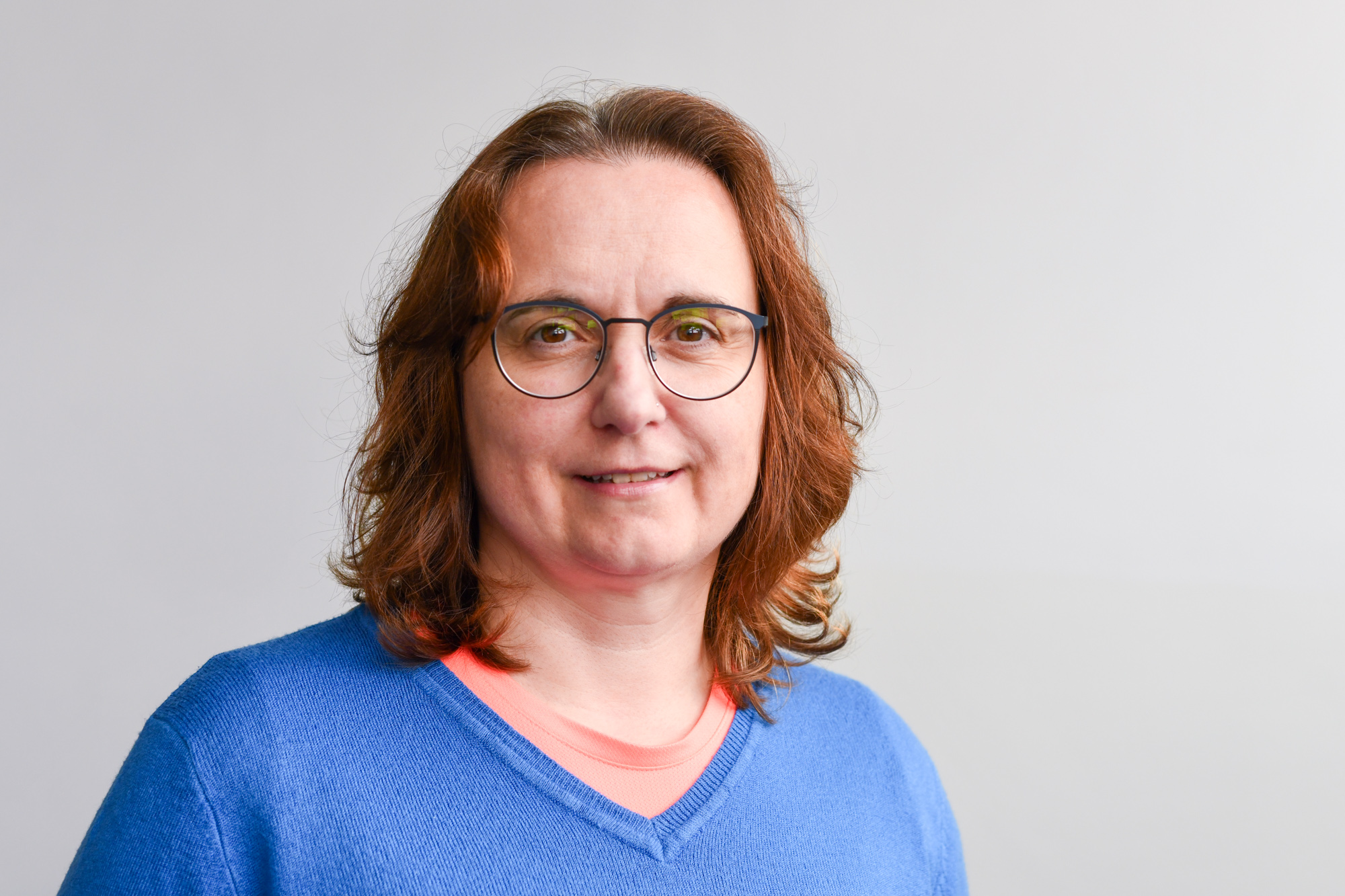
Assoc. Prof. Ing. Lenka Wimmerová, MSc., PhD
At the Faculty of Environmental Sciences, CZU, she is the guarantor of courses focused on environmental management, the circular economy, and sustainability reporting within the Sustainability and Environmental Management (UEM) programme. Her professional focus includes collaborating on revisions to international standards, developing methodologies for assessing environmental impacts and applying circular approaches in practice.
1/ Yes, especially at the beginning of my professional career. There were many, ranging from comments that a woman should not lead a project or perform specific tasks, to stereotypes such as the expectation that at meetings, a woman makes coffee and tea for everyone.
2/ I think it is demanding in every country, and in some it is even more complicated. It depends on what kind of background and support you have in your family; if you do not have it, it will be difficult in other professions as well.
As for the conditions at CZU, from a research perspective, I have never had a problem combining motherhood and a scientific career here. The problem is the fixed, accompanying teaching duties, and no one cares that you have a sick child. I also see it as a paradox that women at universities are viewed only as researchers. Many of them are excellent lecturers and student mentors, and devote a lot of time to that.
3/ Set your priorities and keep perspective. And if you become a mother, see it not as a burden but as an opportunity. It allows you to look at the world through different eyes.
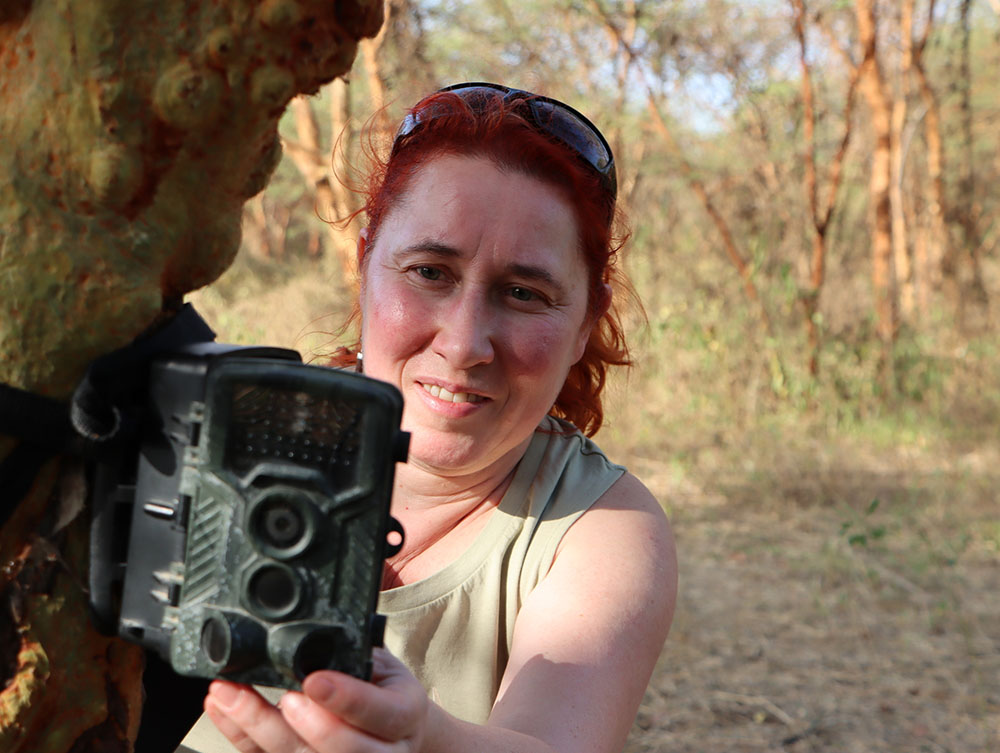
Prof. RNDr. Pavla Hejcmanová, Ph.D.
Professor of Tropical Ecology and Agriculture at the Faculty of Tropical AgriSciences, CZU in Prague, and a research fellow at the Institute of Zoology – Zoological Society of London. She studies the ecology of large mammals, focusing on feeding behaviour, resource selection, habitat use, and movement ecology. Her research inevitably integrates social aspects—people’s attitudes and motivations regarding nature conservation.
1/ At the beginning of my career, I did indeed encounter prejudices and stereotypes such as “a woman should not have ambitions, certainly not in science; she should stay at home and create a family background.” That was many years ago, and since then, a lot has changed. I am delighted that they are talking more openly about women in science and that many opportunities to support them have emerged. I am fortunate to work at a “young faculty” founded by young leadership, where I do not feel prejudice against women. That does not mean I no longer encounter stereotypes. I work in an international environment, especially in countries of the Global South, which involve diverse cultural and value backgrounds and, last but not least, a distinct, strongly hierarchical understanding of academic and scientific work. It requires adaptability, tolerance and experience, along with persistent and conscious presentation of research results and the quality of one’s professional work.
2/ Combining a scientific career—especially one based on fieldwork in Africa—with family life is undoubtedly demanding. Science often requires flexibility in time, travel, and irregular work schedules. Without support and understanding in the family, it certainly cannot be done. I have been lucky to have support in my family, including from my parents, and understanding from my children. I am grateful to all of them. Support from the employer is essential too, and I can see that it has been increasing at CZU over the years. Some benefits I personally will not use anymore—my children have grown up—but overall support for families is increasing through various mechanisms, and I value that very much.
3/ I would like to leave a message not only for women and girls but also for their partners: do not be afraid of ambitions in your chosen field or of international challenges. Field research, work abroad, or leading projects are not incompatible with family life; they require good planning and support from those around you. A scientific career is not linear, and there is no single “right” path. The important thing is to find an environment that allows you to grow and not be afraid to ask for support. Science needs different experiences and perspectives—and that is what women bring to it. Not only in nature but also in human society, diversity opens new horizons.
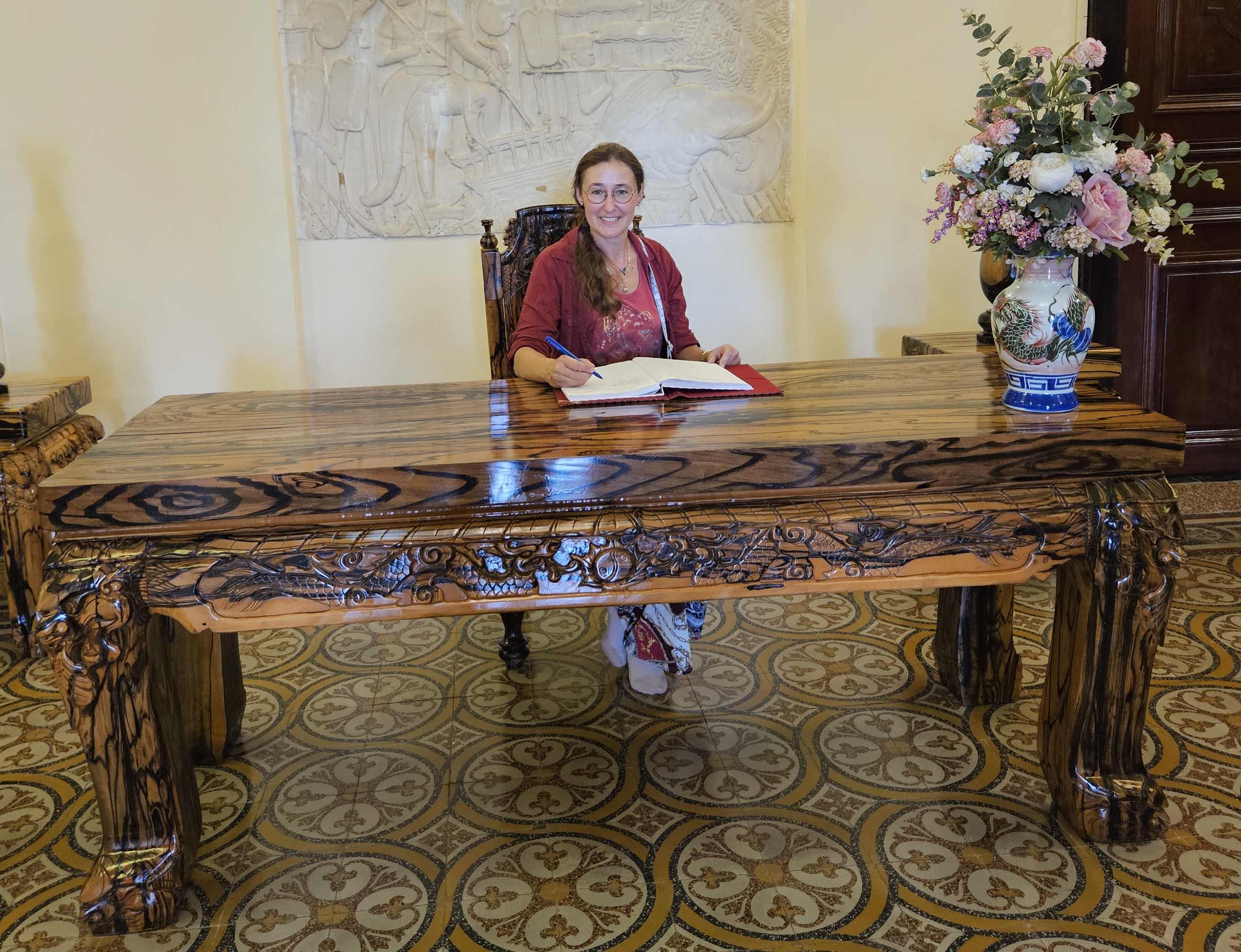
Assoc. Prof. Mgr. Jitka Kumhálová, PhD
She works in geoinformatics at the Faculty of Engineering, CZU—specifically in remote sensing of the Earth and applying the knowledge gained, in combination with meteorological and agronomic information, in agriculture. She is involved, for example, in research on hop cultivation, which uses drones and thermal cameras.
1/ Yes, I have. From my point of view, there is no gender difference there, although the primary reason for the prejudice probably differs. It was mainly a kind of jealousy of success or a sense of threat that “someone is stepping on my toes.” However, I did not observe these prejudices or obstacles among successful scientists at the global level. On the contrary, they always tried to help me or set up mutually beneficial cooperation.
2/ From my point of view, it wasn´t that demanding, because I have a husband I can rely on. At the beginning, it was more complicated, because of the children, I even changed jobs—I moved from the Crop Research Institute to CZU right after finishing parental leave, so I could have more flexible working hours. In that same year, they opened the Poníček children’s group, so we did not have to rely on state nursery capacity, and we used CZU’s support. As the children grew, they became used to our working world to the point that they started travelling with us for various measurements and helped us. In my view, it is therefore mainly about attitude—provided everyone in the family is healthy and willing to accommodate each other.
3/ I would advise them to learn to organise their time well and not to put their children second because of work. In the end, only good family well-being ensures a better outlook on the world and helps you overcome professional setbacks, because you know there is always someone at home who will support you one hundred per cent.
Ing. Tereza Jurczyková, PhD
A chemical technologist specialising in the chemistry and processing of wood and biomaterials, she works at the Faculty of Forestry and Wood Sciences, CZU. She came up with the idea of developing skis with a custom wooden core at the faculty, which she tested in cooperation with Olympian Jan Zabystřan.
1/ I started working at the university during maternity leave, initially part-time, after the then head of the department approached me with a specific professional task—to introduce and further develop teaching in wood chemistry and chemical processing of wood in study programmes for wood science students. This cooperation allowed me to remain professionally active, use my previous experience from practice and studies, and maintain a balance between work and family life. Of course, I have encountered and still encounter prejudices and stereotypes, but rather in less severe or more indirect forms. Thanks to several years of experience in the corporate environment, where situations were often far more intense and direct, and also because my family was and is my top priority, I was able to maintain the necessary perspective and resilience. In the long term, I focus mainly on systematic, meaningful work that delivers results and outputs, and thanks to this, I do not feel the need to defend my professional competence.
2/ Combining a scientific career with family life and motherhood is still quite demanding in the Czech environment, mainly due to the time requirements of high-quality scientific work, project-based funding, and pressure for publication outputs. Personally, I do not mind working at night, and I see it as one way to maintain continuity in my scientific work at a particular stage of life. However, this is my personal choice and a compromise, not a general or transferable model. The head of the workplace also plays a significant role. During my time here, I have had four direct supervisors, and their levels of understanding differed, which confirms that it is often a matter of mutual trust, responsibility, and a shared pedagogical or scientific vision. The current management offers flexible time, which suits me. I also see the grant programme Returns to CZU as a positive; it aims to facilitate a return to the academic environment after parental leave or another long break in research activity and provides both financial and professional support at this stage. Nevertheless, I believe there is still room for further development of systemic support, which could help not only individuals but also the entire academic environment make better use of the potential of talented scientists, women and men alike.
3/ Above all, I would recommend that they not be afraid to pursue a topic they truly enjoy and give themselves space to develop it in depth. My own experience is that scientific work offers much more variety than it may seem. It includes not only projects and publications but also cross-disciplinary cooperation and everyday contact with students, who can be very inspiring. Science has never been a routine job for me, but rather an environment where I am constantly learning, looking for new connections, and trying to link theory with practice. What is also important to me is that my work naturally overlaps with my family life—my children know about it, sometimes see it “live,” and learn to perceive education and curiosity as a natural part of the world around them.
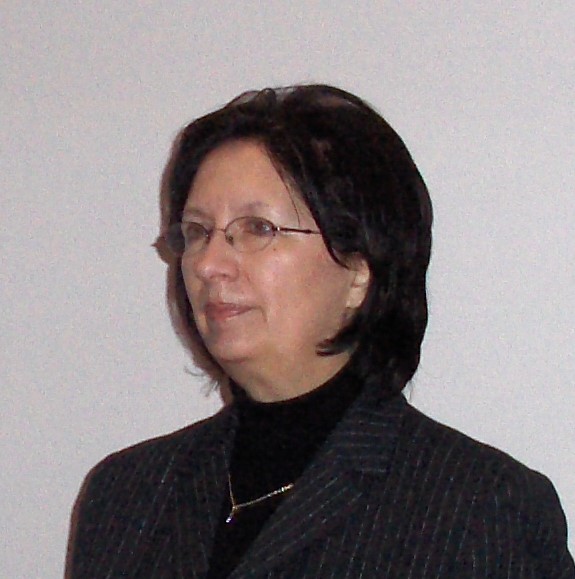
Assoc. Prof. PhDr. Radmila Dytrtová, CSc.
Throughout her professional career, she has been involved in university teacher education, first at Charles University in Prague until 2001 and since 2001 at the Czech University of Life Sciences Prague at the Department of Pedagogy (now the Institute of Education and Counselling), where she is the guarantor of a teacher-training degree programme. She is the author and co-author of several nationwide textbooks, numerous articles, and contributions on teacher education. Since 2005, she has been the founder and co-organiser of the international scientific conference EDUCO, together with teams from other universities; each year it focuses on the education of teachers of natural sciences, agriculture, and related fields.
1/ Given that a successful scientist typically has certain character traits (among others) such as willpower, decisiveness, and responsibility, and has motivation and enthusiasm for the field, what others see as an obstacle does not necessarily have to be an obstacle for a woman in science—it can be a challenge. Young people, graduates of faculties, often remain at their faculty as PhD students and engage in research – some thus “kick-start” a scientific career. From my own experience, I know they may also encounter the fact that their former teachers—now colleagues—have not changed their “angle of view” and still perceive them as students or auxiliary scientific staff. This fact is reflected in their behaviour and in the tasks assigned to the young colleague. It may also influence their moral and financial evaluation. If such an approach remains unchanged, a woman in science may still seek employment elsewhere. The stereotype mentioned can thus become a challenge for change.
2/ Unfortunately, society often perceives a successful career of a woman in science as incompatible with the role of a mother. If the employer also perceives it, it often influences her decision to give up her position in science. For this reason, many capable young women decide either–or. However, the decision also depends on the family background, which either motivates a woman, such as a mother in science and a helping hand, or does not, which may affect her return to a scientific career after maternity leave.
CZU in Prague pays attention to the issue of women´s involvement in scientific work, among other things by maintaining for many years a children’s group for employees’ children (now in new premises in a new pavilion). The final conference of the AGRIGEP project on 25 September 2025 at CZU in Prague also addressed gender equality in the academic environment. Motivation for women in science was also provided by the publication of the Forbes TOP Women in Science ranking, which included three women from CZU faculties.
3/ To young women and girls who know their potential and want to pursue science, first of all, I congratulate them on this intention. However, they must realise in advance that the path to professional success and results is not easy, that they need to decide responsibly according to their own individual possibilities, set priorities, and believe that the professional goal they have makes sense—that the work will interest them and not merely fill their working hours.